Controversial Event Faces Scrutiny as Athlete Reveals Novel Cheating Method
Cameron McEvoy, an Australian Olympic gold medallist swimmer, has brought a new layer of controversy to the proposed Enhanced Games. McEvoy, fresh off breaking a 16-year-old world record in the 50-metre freestyle at the China Open, has voiced significant skepticism regarding the legitimacy and ethical standing of the upcoming event. His comments come as the Enhanced Games, slated for May 21-24, 2026, prepares to host athletes who will be permitted to use performance-enhancing substances and advanced technologies.
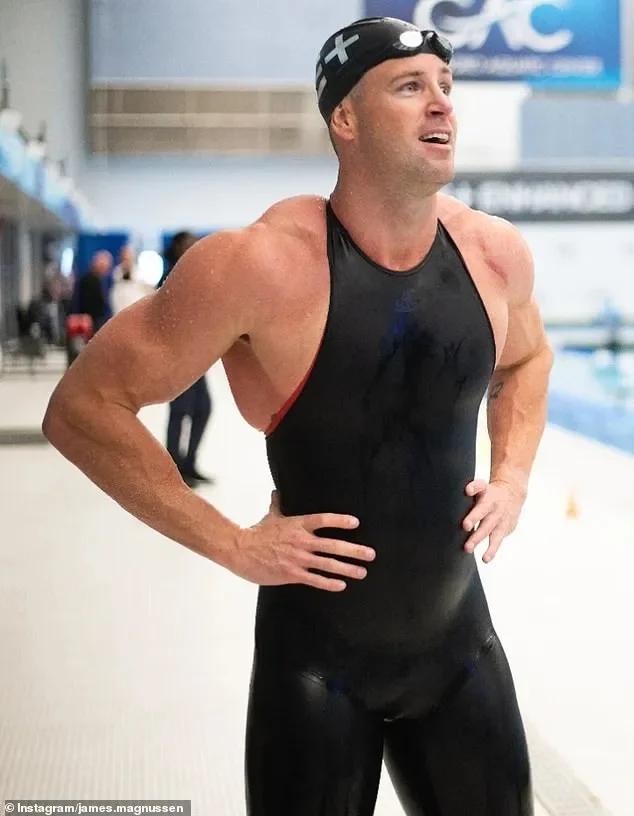
McEvoy pointed to a specific, less-discussed method of gaining an unfair advantage: the use of specialized equipment, akin to strapping on fins, alongside prohibited swimsuits. This strategy, he suggested, would render any "records" set at the Enhanced Games meaningless, even when compared to the already contentious prospect of athletes using banned drugs. The Enhanced Games, spearheaded by Australian entrepreneur Aron D'Souza, aims to push the boundaries of human performance by allowing substances and technologies banned by traditional sporting bodies.
Read More: FIFA World Cup 2026 Revenue Reaches $15 Billion With New Ticket Prices
World Record Ignored, Prize Money Elusive
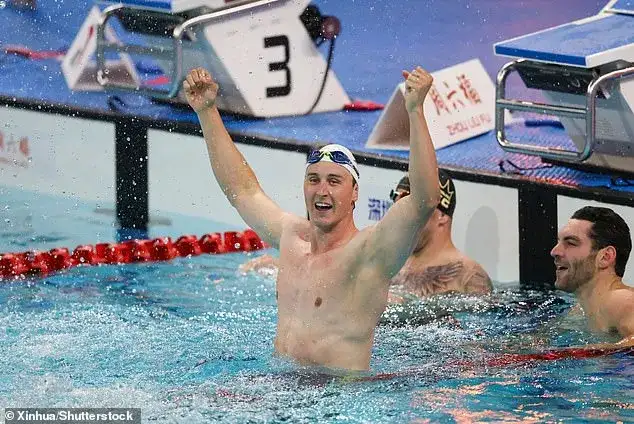
McEvoy's recent world record swim in Shenzhen, with a time of 20.88 seconds, surpassed the previous mark set by César Cielo. However, World Aquatics, the global governing body for swimming, has refused to ratify this achievement. This decision means McEvoy has not received any bonus prize money, typically awarded by benefactors like Gina Rinehart for record-breaking performances at traditional events. This situation highlights the stark contrast between established athletic competitions and the radical premise of the Enhanced Games.
D'Souza's Vision and Growing Opposition
Aron D'Souza, the Australian entrepreneur behind the Enhanced Games, has openly stated the event is an "exercise in testing the boundaries of human performance." He has indicated that the games will feature swimming events including the 50m and 100m freestyle, and 50m and 100m butterfly. The event's stated intent to allow athletes to use drugs like steroids and human growth hormones, alongside potentially lucrative prize money, has drawn sharp criticism from many within the established sporting world.
Read More: Meg Harris says prize money talks are good for athletes on May 31

Governing Bodies Take Action
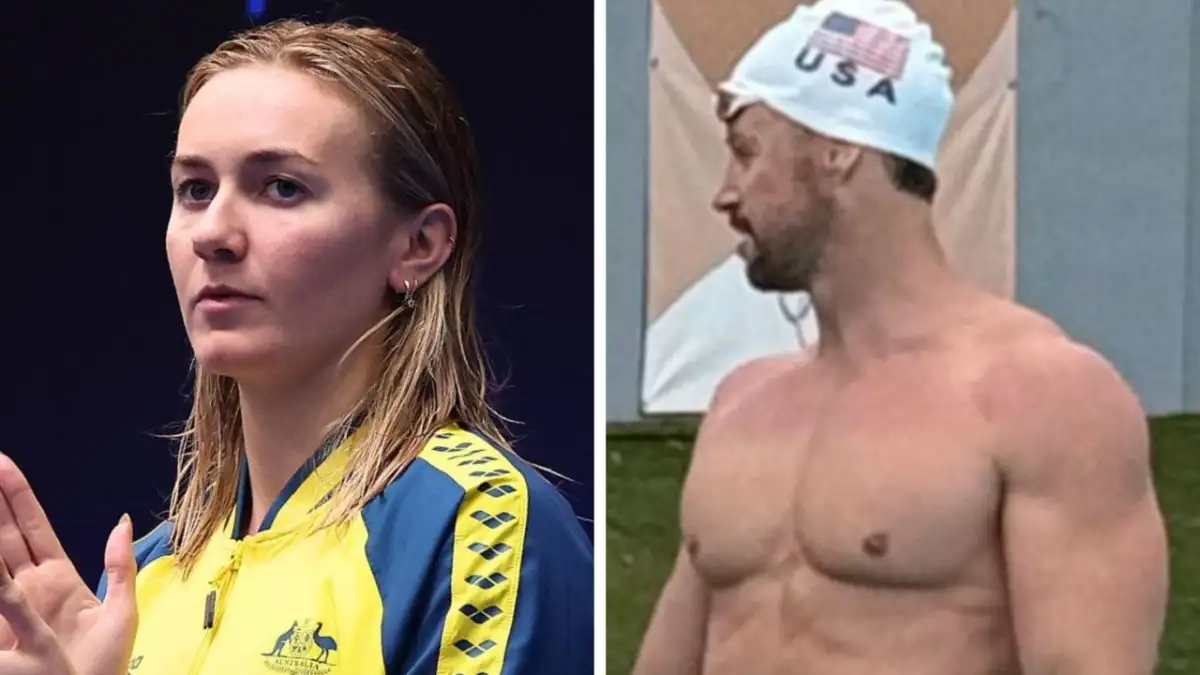
The controversial nature of the Enhanced Games has prompted swift action from World Aquatics. The organization has announced a new bylaw that would ban any athlete associated with the Enhanced Games from participating in World Aquatics competitions or holding positions within the governing body. This stance has been echoed by prominent Australian swimmers, including Ariarne Titmus and Kyle Chalmers, though Chalmers has offered a more nuanced perspective, suggesting the prize money offered by the Enhanced Games might force governing bodies to reconsider athlete compensation. Despite this, figures like Ben Proud and Fred Kerley have reportedly signed on with the Enhanced Games, while others, like Olympic silver medallist James Magnussen, have been publicly scrutinized for their involvement, with past attempts to break records at the Enhanced Games reportedly falling short of their clean personal bests.
Read More: England World Cup Match: Pubs Open Until 5 AM Monday
A Shift in Training Philosophy
McEvoy's own career trajectory offers a counterpoint to the doping-centric narrative of the Enhanced Games. After a period of reduced success, the Brisbane-based swimmer has revitalized his performance by drastically increasing his strength training and significantly reducing his weekly pool mileage from as much as 70km to a mere 1.5km. This innovative approach, focused on efficiency and strength rather than sheer volume, has contributed to his recent record-breaking swim, emphasizing that peak performance can be achieved through unconventional, yet clean, training methods. The contrast between his approach and the Enhanced Games' philosophy underscores the fundamental disagreements about the future of athletic competition.