Andhra Pradesh is quietly handing over a crucial aspect of road safety and driver licensing to Maruti Suzuki India. While presented as a Corporate Social Responsibility (CSR) initiative, the agreement to automate four driving test tracks raises significant questions about transparency, data ownership, and the evolving role of a private corporation in public infrastructure. What are the real implications of this partnership, and who truly benefits when a car manufacturer becomes the gatekeeper of driving licenses?
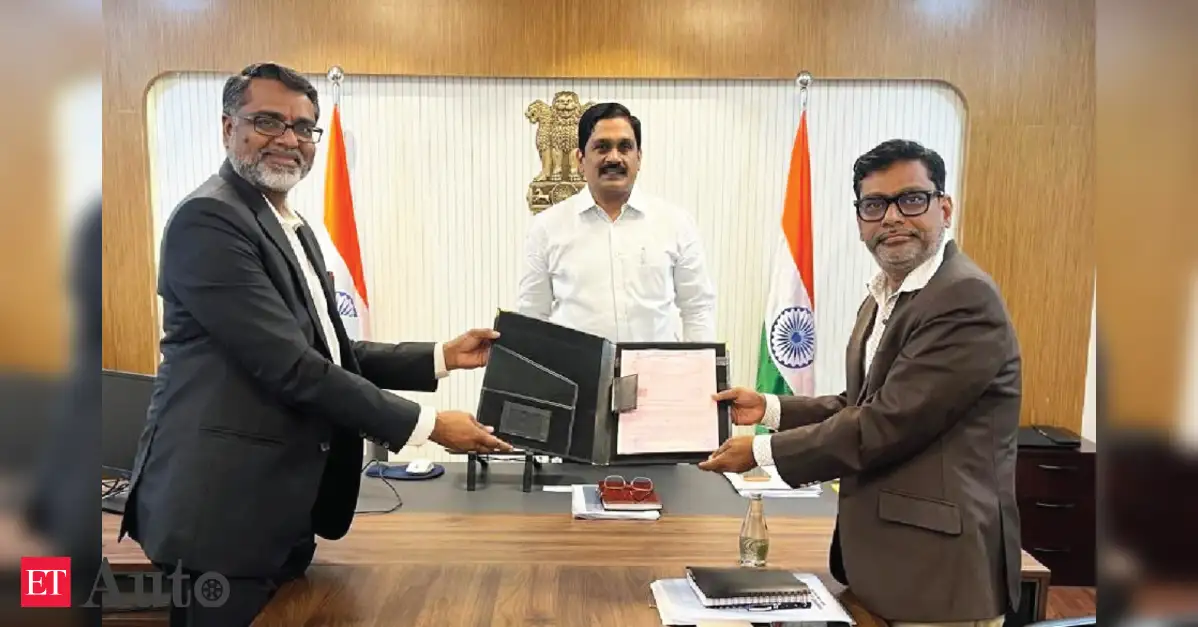
Maruti Suzuki India, a giant in the Indian automotive sector, has recently inked a Memorandum of Agreement (MoA) with the Andhra Pradesh government. The stated aim is to establish and maintain four Automated Driving Test Tracks (ADTTs) at Regional Transport Office (RTO) locations in Eluru, Ongole, Vizianagaram, and Anakapalli. This move, according to officials, is intended to bring uniformity to driver evaluation and bolster road safety. The tracks are slated to become operational, handling tests for light motor vehicles and two-wheelers, with the Ongole facility also accommodating heavy motor vehicles. However, a closer examination of this "partnership" reveals a landscape riddled with unanswered questions, particularly concerning the extent of Maruti Suzuki's involvement, the ownership of critical data generated, and the broader implications of such public-private collaborations.
Read More: Tesla Model Y L 6-Seater US Launch Date and Price Details
The Deal: What Exactly is Maruti Suzuki Doing?
Under the agreement, Maruti Suzuki will not only set up these automated tracks but will also maintain them for a period of three years from their commissioning. This implies a significant operational role for the car manufacturer in a process directly tied to public safety and the licensing of drivers.
Scope of Automation: The ADTTs will be equipped with high-definition cameras, RFID sensors, real-time analytics, and an integrated IT system. The stated goal is to create a standardized and objective testing process, thereby eliminating human bias.
Duration of Maintenance: The three-year maintenance period is a critical aspect. What happens after these three years? Will the government take over entirely, or will there be an extension of the agreement? Who bears the cost of maintenance beyond this initial period?
Locations: The four RTOs chosen are Eluru, Ongole, Vizianagaram, and Anakapalli. This geographical distribution is significant – but are these areas with the highest need, or are there other factors influencing these choices?
A Pattern of Expansion: Maruti Suzuki's National Footprint
This Andhra Pradesh venture is not an isolated incident. Maruti Suzuki has been systematically expanding its presence in the automated driving test track domain across India. This consistent strategy suggests a deliberate effort to build a national network.

Previous Projects: The company has already automated 46 tracks in seven states and has agreements for more in Rajasthan and Tamil Nadu. The Ayodhya track in Uttar Pradesh was their first in that state.
Current Expansion: With these four new tracks in Andhra Pradesh, Maruti Suzuki's total automated driving test track footprint will reach 81 facilities nationwide. This significant number raises questions about their long-term strategy and potential influence on national road safety policy.
Key Figures Involved: The MoA signing involved Transport Commissioner Manish Kumar Sinha and Tarun Agarwal, head of MSIL (CSR), alongside other company officials. Their roles and the specific commitments made during these signings warrant closer scrutiny.
| State | Number of Tracks | Source ||—-|—-|—-|| Uttar Pradesh (Initial) | 1 (Ayodhya) | Article 7 || Rajasthan | 21 | Article 8, 9 || Tamil Nadu | 10 | Article 13 || Tamil Nadu (Additional) | 10 (Implied by total) | Article 10, 13 || Bihar | 5 | Article 12 || Uttar Pradesh (Additional) | 12 | Article 11 || Andhra Pradesh | 4 | Article 1, 2, 3, 4, 5 || Total (Known from data) | 53+ | (Excludes general mentions of expansion without specific numbers) |
Read More: High Court Questions Waqf Board Structure Without Non-Muslim Members
Question: Why is a car manufacturer, whose primary business is selling vehicles, so heavily invested in the infrastructure and processes of driver licensing? Is this purely altruistic, or does it serve other strategic objectives for Maruti Suzuki?
The "CSR" Conundrum: Is it Truly Social Good, or Strategic Investment?
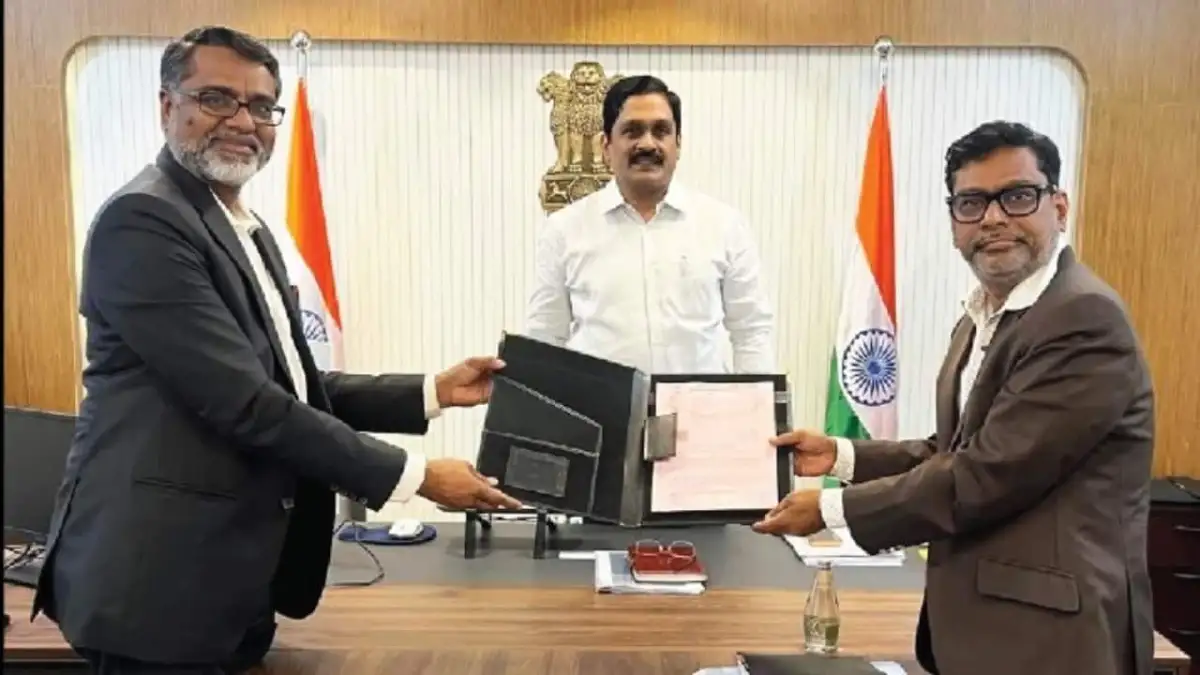
Maruti Suzuki consistently frames these initiatives under its Corporate Social Responsibility (CSR) umbrella, specifically its "Road Safety" drive, which it divides into five pillars: Education, Evaluation, Enforcement, Engineering, and Emergency Care. While the "Evaluation" aspect aligns with driving tests, the scale and nature of their involvement invite skepticism.
CSR Mandate: Indian companies are mandated to spend a percentage of their profits on CSR activities. Is this partnership an efficient way for Maruti Suzuki to meet its CSR obligations while simultaneously gaining access to data and influence?
Strategic Advantage: By automating these tracks, Maruti Suzuki gains unparalleled insight into driver behavior and competency patterns. This data could be invaluable for their product development, marketing strategies, and even for lobbying efforts related to vehicle standards.
The "Five Es": While the initiative is presented as holistic, the focus on "Evaluation" through test tracks seems to be the most tangible and resource-intensive aspect being undertaken by Maruti Suzuki. Where is their significant involvement in the other four "Es"?
"The automated tracks will bring uniformity to the evaluation process, a crucial step towards strengthening road safety across the state." - Andhra Pradesh Transport Commissioner Manish Kumar Sinha
Question: Is the government outsourcing a core public service to a private entity, and if so, what are the long-term implications for public accountability and control? What specific metrics define success for Maruti Suzuki's CSR beyond the physical establishment of these tracks?
Data Ownership and Privacy: The Unspoken Factor
The core of these automated tracks lies in the technology: high-definition cameras, RFID sensors, and integrated IT systems. This technology generates a wealth of data on each applicant's performance.
Read More: New Cars Under $25,000 Drop to Only 11 Models in April 2026
Data Collection: Every maneuver, every error, every successful pass is recorded and analyzed. This creates a detailed digital profile of individuals seeking driving licenses.
Who Owns the Data? The most pressing question is: Who owns the data generated by these automated tests? Is it the government, Maruti Suzuki, or is it shared? What are the protocols for data storage, access, and usage?
Privacy Concerns: In an era of increasing data breaches and surveillance concerns, the collection of detailed driving performance data by a private corporation raises significant privacy issues. Are applicants fully aware of what data is being collected and how it will be used?
"It eliminates human errors from the process and ensures that only competent drivers with requisite knowledge and skills earn a license.” - Maruti Suzuki Statement (Rajasthan Agreement)
Question: Given the sensitive nature of personal data, what safeguards are in place to prevent its misuse, or its exploitation for commercial purposes by Maruti Suzuki or third parties? Have independent data privacy audits been conducted?
Past Incidents and Precedents: A History of Corporate Involvement
While automated driving tests are relatively new, the concept of private sector involvement in public services is not. Looking at past trends and controversies can offer valuable context.
Public-Private Partnerships (PPPs): Across various sectors, PPPs have been lauded for efficiency but have also faced criticism for lack of transparency, cost overruns, and the prioritization of profit over public good.
Data Monetization: Companies, particularly in the tech and automotive sectors, have a track record of monetizing user data. The driving test data could be a new frontier for such monetization, whether through analytics, targeted advertising, or other means.
Influence on Regulations: Corporations often lobby governments to shape regulations in their favor. By being deeply embedded in the licensing process, Maruti Suzuki could gain significant leverage in future discussions about road safety standards, vehicle technology mandates, and driver training protocols.
"The Memorandum of Agreement between the Government of Tamil Nadu and Maruti Suzuki India Ltd was signed at the Secretariat in the presence of the transport minister." - Article 10, 13
Question: What due diligence has been performed by the Andhra Pradesh government to ensure that this partnership serves the public interest above all else, and not the commercial interests of Maruti Suzuki? Have similar agreements in other states faced any scrutiny or criticism regarding data privacy or the scope of corporate involvement?
The Road Ahead: Transparency and Accountability Needed
The introduction of automated driving test tracks in Andhra Pradesh, spearheaded by Maruti Suzuki, presents an opportunity to enhance road safety. However, the current narrative, heavily reliant on the "CSR" angle, masks critical questions about corporate influence, data ownership, and public accountability.
Read More: Australia's Flat Land and Federal Government Explained
The government must provide clear answers on:
Data Governance: A transparent policy outlining who owns, controls, and can access the data generated by the ADTTs.
Long-term Sustainability: The plan for the maintenance and operation of these tracks beyond the initial three-year period.
Oversight and Auditing: Independent mechanisms for monitoring the performance and adherence to ethical standards by Maruti Suzuki in managing these facilities.
Benefit to Public: A clear articulation of how this partnership demonstrably improves road safety beyond just automating the test process, and how it specifically benefits citizens beyond mere efficiency.
Without addressing these fundamental concerns, this initiative risks becoming another instance where public infrastructure and sensitive data fall under the purview of private corporations, with the public interest potentially taking a backseat to corporate strategy. The shadow of Maruti Suzuki's involvement looms large over Andhra Pradesh's roads, and it's time for a brighter, more transparent light to be shone upon it.
Sources:
Article 1: Maruti Suzuki inks pact with Andhra Pradesh for four automated driving test tracks - The Hindu BusinessLine
Article 2: Transport Department partners with Maruti Suzuki to automate driving tests at four RTOs in State - The Hindu
Article 3: Maruti Joins Hands with AP govt; To Set up 4 Automated Driving Test Tracks - Deccan Chronicle
Article 4: Maruti Suzuki to automate four driving licence test tracks in Andhra Pradesh - The Economic Times
Article 5: Maruti Suzuki Drives Innovation with Automated Test Tracks in Andhra Pradesh | Business - Devdiscourse
Article 6: Andhra Pradesh driving licence applicants to benefit from automated test tracks under Maruti Suzuki CSR - Moneycontrol
Article 7: Maruti Suzuki automates its first driving test track in Ayodhya, Uttar Pradesh, as its CSR road safety initiative - Maruti Suzuki Press Release
Article 8: Maruti Suzuki Partners with Rajasthan Government to Automate Driver Testing | Autocar Professional
Article 9: Maruti Suzuki signs Memorandum of Agreement with Transport Department, Government of Rajasthan, to automate 21 driving license test tracks under CSR initiative - Maruti Suzuki Press Release
Article 10: Maruti Suzuki inks pact with Tamil Nadu government to automate driving testing tracks - The Economic Times
Article 11: Maruti Suzuki India to take number of automated driving license test tracks to 17 in Uttar Pradesh - Zee Business
Article 12: Maruti Suzuki To Build 5 New Automated Driving Test Tracks In Bihar - Ackodrive
https://ackodrive.com/news/maruti-suzuki-to-build-5-new-automated-driving-test-tracks-in-bihar/
Article 13: Maruti, TN ink pact to set up 10 automated driving test tracks | Chennai News - The Times of India