March 2026 offered a stark tableau: the relentless hum of armed conflict juxtaposed with the quiet finality of numerous notable departures. Amidst ongoing hostilities, particularly in Ukraine and Sudan, the month saw documented casualties and infrastructure damage. Simultaneously, a significant number of individuals from diverse fields – science, arts, politics, sports, and business – passed away, leaving voids in their respective spheres.
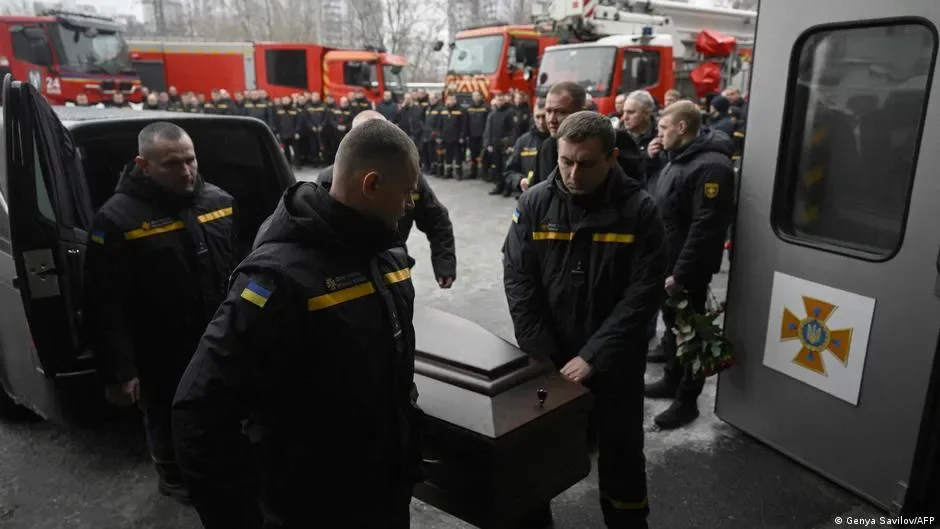
The month's conflict reports painted a grim picture of continuing violence. In the Russo-Ukrainian War, reports indicated a Russian drone attack on Odesa resulted in two deaths and twelve injuries. Further Russian strikes targeted civilian areas and infrastructure across Ukraine, claiming five lives and injuring three. Sudan's civil war also saw fatalities, with a drone strike on a fuel reserve in western Sudan causing eleven deaths and twenty injuries. A separate incident in Heilongjiang, China, involved a building collapse that killed seven and injured two. These events underscore the persistent fragility of established orders and the human cost of geopolitical instability.
Read More: Iran Zagros Mountain Nuclear Site Construction Update April 2026
Beyond the violence, March 2026 was punctuated by the passing of a considerable number of influential figures. The list of deceased spans an impressive breadth of achievement, from scientific breakthroughs to cultural impact and political leadership. This includes Nobel laureates like British physicist Sir Anthony James Leggett (Nobel Prize for Physics 2013) and American immunologist J. Michael Bishop (Nobel Prize 1989). The worlds of American culture and history also experienced losses with the deaths of child psychiatrist Rapoport, actor Nicholas Brendon, actress Valerie Perrine, journalist Tracy Kidder, and businessman and historian Lewis Lehrman. The entertainment industry mourned the loss of musicians Troy Murray and Dash Crofts, while sports saw the passing of Bolivian goalkeeper Arturo López and Irish athlete Ron Delany. Political landscapes were affected by the deaths of former French Prime Minister Lionel Jospin and Italian politician Umberto Bossi.
Read More: Missiles hit Kyiv and Lebanon; 6 dead in Israel conflict
The month also witnessed the departure of individuals who shaped recent economic and digital spheres. Michael Bambang Hartono, co-owner of PT Djarum, and Austin Furst Jr., founder of Vestron Video, passed away. Notably, Leonid Radvinsky, the owner of OnlyFans since 2018, also died. In the realm of law and national security, Robert Mueller, former FBI Director and Special Counsel in the Russia investigation, died at 81.
A Flourishing of Culture Amidst Global Turmoil
While headlines were dominated by conflict and loss, cities like Paris saw vibrant cultural activity. March 2026 in Paris featured a series of high-profile musical performances, including Sébastien Tellier, Benjamin Biolay, Theodora, Indochine, and Rosalia. The French capital also provided ample entertainment for children during their spring holidays, with numerous theatrical productions and shows, such as "Le Roi Lion" and "Mon Premier Ballet La Belle au Bois Dormant." Museums and historical monuments across Paris remained open, drawing visitors despite the broader global uncertainties.
Read More: 40 Die in Quetta to Peshawar Bus Crash in Balochistan on April 3 2026
Background: A Lingering Sense of Disruption
March 2026 followed a period marked by shifting geopolitical alliances and persistent economic anxieties. The Russo-Ukrainian War continued to be a significant point of international concern, while regional conflicts, like the one in Sudan, exerted their own pressures. The technological landscape was also evolving, with the rise of platforms like OnlyFans reflecting changing modes of communication and commerce, a trend underscored by the passing of its owner. The concurrent deaths of prominent figures across various sectors – from groundbreaking scientists to influential artists and seasoned politicians – invited reflection on the ephemeral nature of influence and the constant process of societal renewal, even as entrenched conflicts persisted. The month served as a stark reminder of both the fragility of life and the enduring, often uneven, currents of progress and disruption.