Bungie, the developer behind the recently released game Marathon, has officially credited artist Antireal (also known as Fern Hook) as a "visual design consultant" in the game's launch credits. This development follows an earlier controversy where it was revealed that Antireal's artwork had been incorporated into the game's development without her explicit permission or knowledge. The inclusion of her name in the credits appears to signify a formal acknowledgement of her contribution, albeit under circumstances that have been subject to dispute.
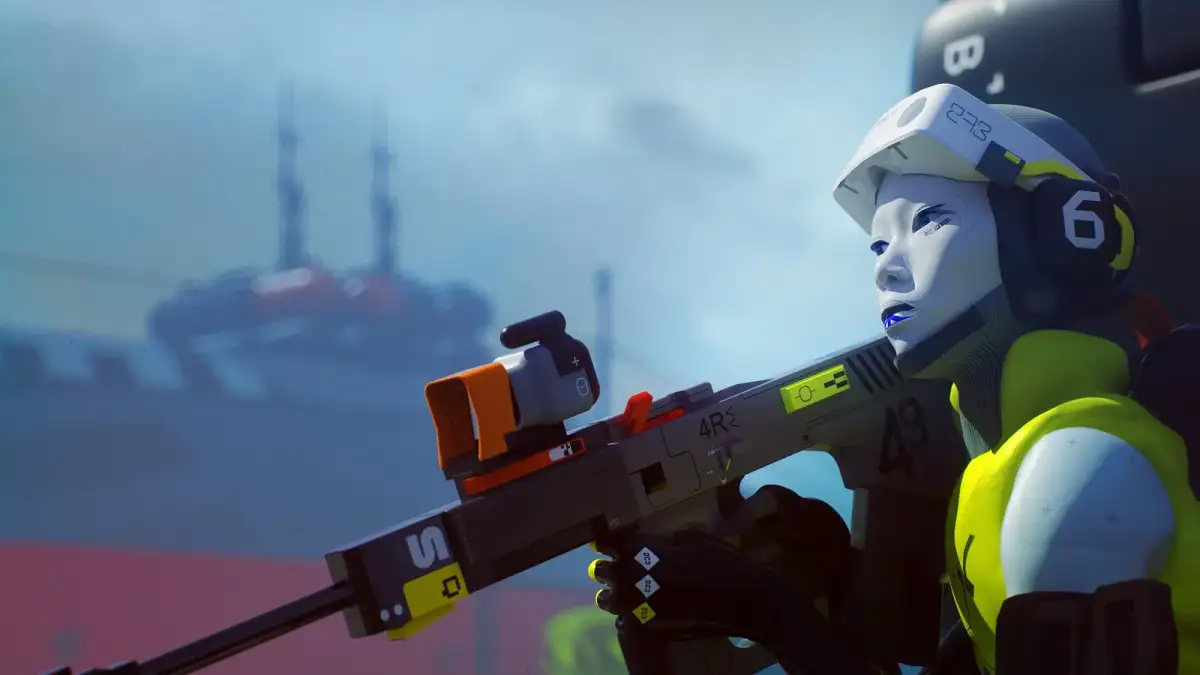
The full extent of Antireal's involvement remains somewhat opaque. While her credit is now present, it is unclear whether this pertains solely to the previously used artwork or if it reflects broader artistic consultation during the game's production. Bungie itself has acknowledged the unauthorized use of Antireal's art, attributing it to a former staff member. The artist, for her part, has publicly stated that the dispute has been "resolved to my satisfaction."
Read More: Street Fighter 6 Year 4 Pass adds Tifa and 3 new fighters in 2026

Marathon was released on March 5th for Xbox Series X/S, PlayStation 5, and PC. The game has been presented as a premium title, with Bungie indicating that post-launch content will be offered at no additional cost and that the game will not feature pay-to-win mechanics. The inclusion of Antireal's name in the credits, particularly after the prior admission of art misuse, suggests an attempt by Bungie to address the situation publicly following investigations and discussions.

Background on the Controversy
The art dispute came to light when Antireal, also known as Fern Hook, identified visual elements in Bungie's Marathon closed alpha footage that strongly resembled her work. These similarities were quickly noted and disseminated online, leading to scrutiny of the game's development practices.
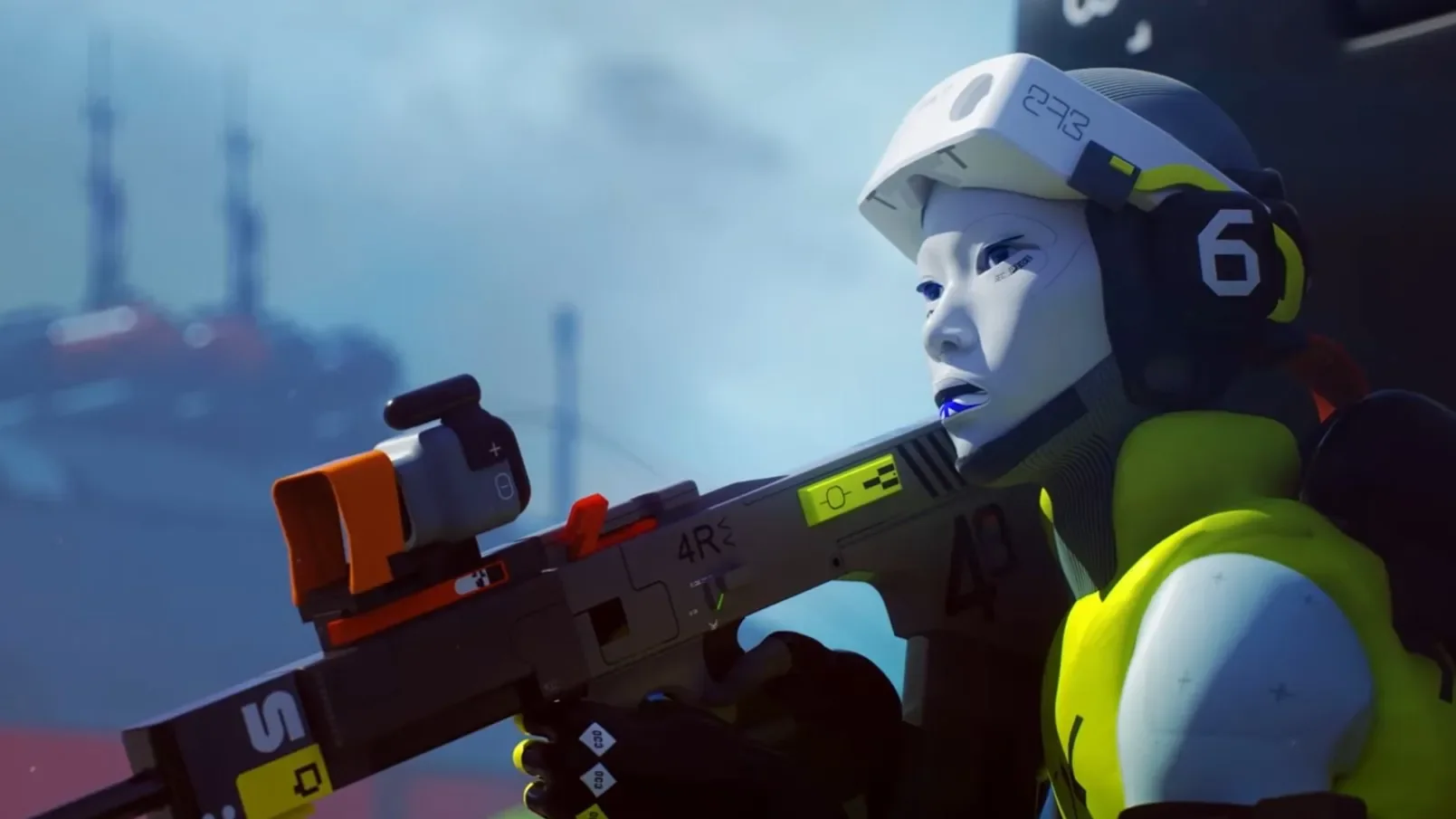
In response to the allegations, Bungie launched an internal investigation. The outcome, as communicated by the development team, confirmed that a former employee had indeed integrated Antireal's art into a texture sheet that was subsequently used in the game. This admission was followed by reports of Bungie reaching out to the artist to rectify the situation.
Read More: Love Island Star's Restraining Order Ends After Text Leak
Several months after the initial claims, both Antireal and sources close to the situation indicated that an agreement had been reached between the artist, Bungie, and Sony Interactive Entertainment. While the specific terms of this resolution have not been publicly disclosed, Antireal's statement that the matter was settled "to my satisfaction" and her subsequent appearance in the game's credits point to a resolution of the controversy. The game's launch now marks a point where this dispute has, at least formally, been brought to a close.



/content/opengraph/MTG-Top-10-Best-Commander-Cards-From-Magic-The-Gathering-Marvel-Super-Heroes-MSC-MSH.png)