

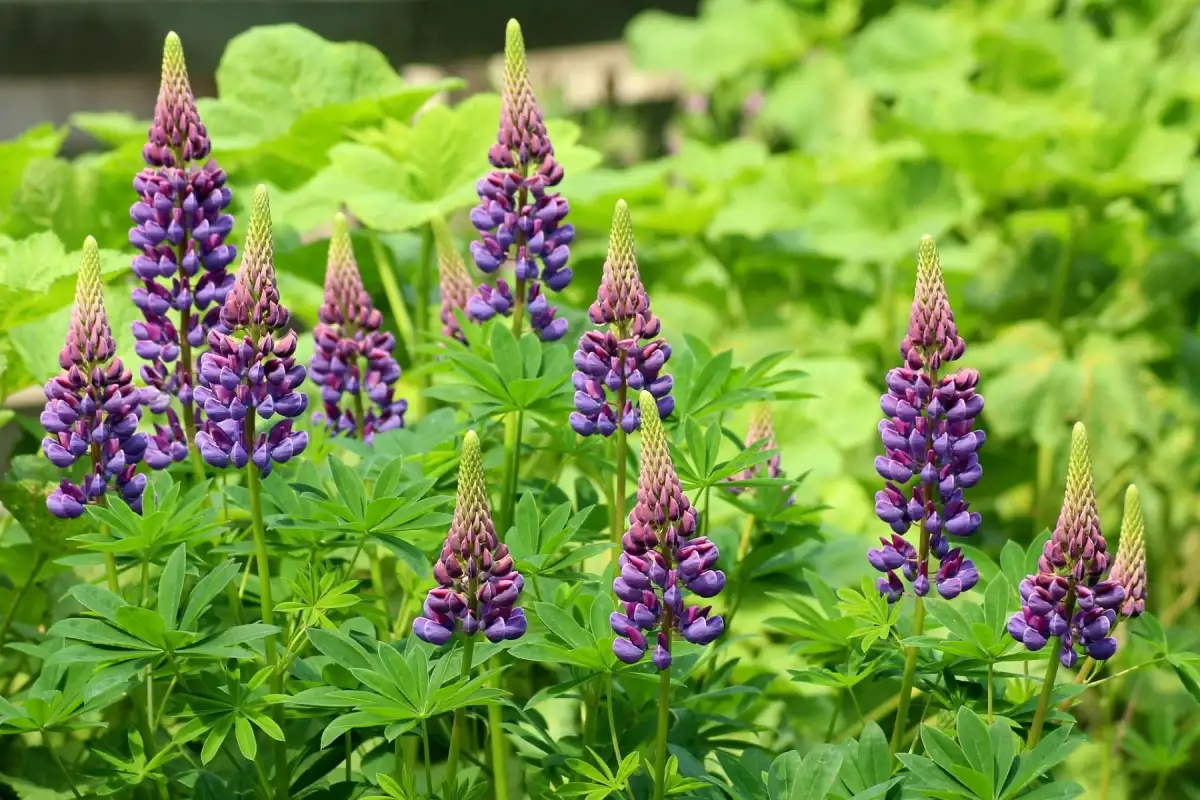
The lupine, Lupinus polyphyllus, stands out as a prominent feature in garden borders, capable of commanding significant visual space when in bloom. This leguminous plant, known for its striking flower spikes, offers a unique benefit to the soil. Through symbiotic bacteria on its roots, it fixes atmospheric nitrogen, a nutrient it then gradually releases, enriching the earth.
Key plant characteristics include:
Bloom Time: Late spring into July, with June being a particularly notable month for its flowering.
Appearance: Features tall flower spikes, often in shades of blue, pink, and purple, though white and yellow varieties exist. Flowers can be bi-colored, with distinct hues on the 'flag' and 'keel' parts.
Growth Habit: A perennial plant that dies back to the ground in autumn, overwintering via its root system and crown.
Cultivation: Can be started from seeds, which may benefit from soaking in warm water. Potting and repotting are recommended in springtime.
Maintenance: Relatively easy to care for. Deadheading spent flower stalks encourages continued blooming. In autumn, plants should be cut back to ground level. Sufficient watering is advised, with reduced fertilization if necessary.
The lupine's visual impact and soil-enriching properties make it a plant of interest for gardeners. Its compatibility with other border plants further enhances its appeal. However, potential issues such as susceptibility to lupine anthracnose, a leaf blight causing brown spots, warrant attention in its care.
