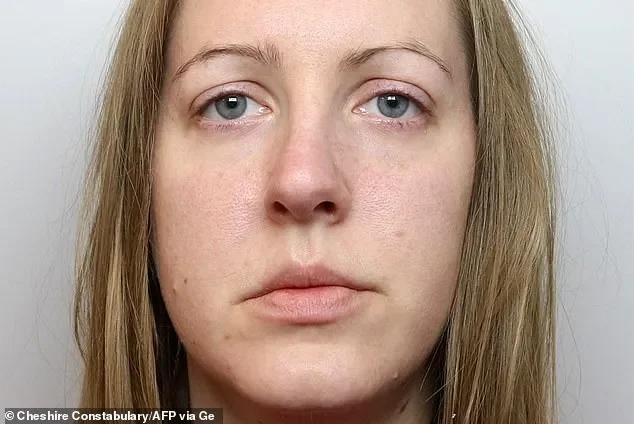
A mother's wail, a father's tender gesture – these echoes from the arrest of Lucy Letby now define a family home, transforming it into a fortress of denial and despair. As a new Netflix documentary rips open the wounds of the Countess of Chester Hospital infant tragedies, the focus shifts to the enduring agony of John and Susan Letby. Their home, once a sanctuary, is now described by one visitor as a 'shrine' to their jailed daughter, a space seemingly frozen in time, a stark testament to a parental devotion that refuses to yield, even in the face of overwhelming evidence.
This isn't just about the chilling crimes of a former nurse; it's about the human cost, the ripple effect of a conviction that shatters not just lives, but the very foundations of family. The documentary, "The Investigation of Lucy Letby," forces a global audience to confront the horror, but for the Letby parents, it’s an intimate invasion, a painful replay of a nightmare they are seemingly determined to reinterpret. How does a family home become a battleground for a daughter’s freedom, a place where reality is meticulously curated, and outside perspectives are met with anguish and accusation?
Read More: Mother Speaks 25 Years After Peter Falconio's Outback Murder
THE CUSTODIANS OF A DAUGHTER'S NARRATIVE
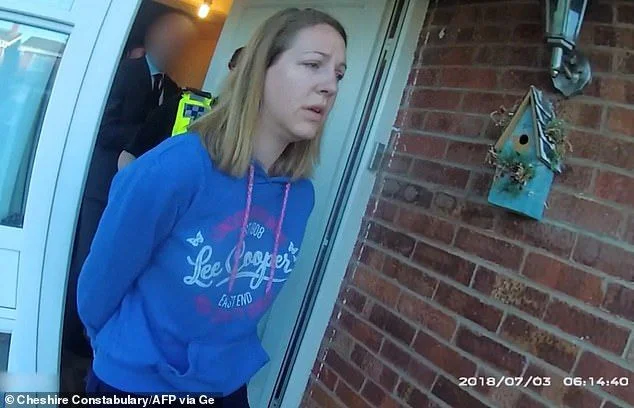
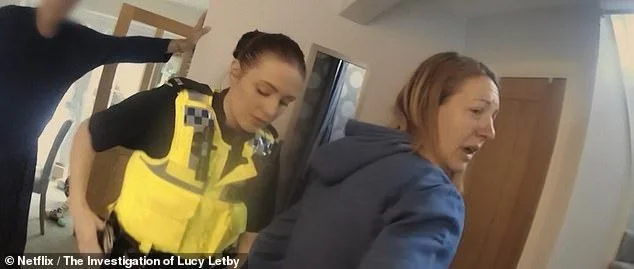
The arrest of Lucy Letby at her parents' home was a moment of profound distress, captured vividly in the new Netflix documentary. Her mother, Susan Letby, was heard pleading, "Please, no, not again, no," as officers arrived at dawn to take her daughter away. This raw emotional response, alongside Letby's own plea to her parents, "You know I didn't do it?" and their immediate affirmation, "We know that," paints a picture of unwavering parental belief.
The parents' reaction to the Netflix documentary, blasting it as a "complete invasion of privacy" and stating it "would likely kill us if we did" watch, underscores their deep-seated resistance to the established narrative.
Read More: England World Cup Match: Pubs Open Until 5 AM Monday

The home itself has become a focal point of this parental defense. Described by visitors as a 'shrine' to Letby, it appears to be a space where the evidence against their daughter is either compartmentalized or actively rejected. This phenomenon isn't unique to the Letby case, but the intensity and public visibility here are striking.
Unseen Footage: The documentary reportedly includes never-before-seen footage from Letby's arrests, offering a glimpse into the family's private anguish.
Legal Barrage: Letby continues to engage with her legal team, including barrister Mark McDonald, who has reportedly stayed at the family home. This close association with her defense highlights the ongoing legal battle, even after conviction.
Emotional Anchor: The home seems to serve as an emotional anchor for John and Susan Letby, a physical manifestation of their continued fight for their daughter’s exoneration.
A HOME TRANSFORMED: MORE THAN JUST FOUR WALLS?
The description of the Letby family home as a "prison for her despairing parents" and a "shrine" raises profound questions about the psychological toll of such a high-profile conviction.
How has the physical space of their home adapted to become a center for their daughter’s defense and a sanctuary from the public narrative?
What does it mean for a home to become a "shrine"? Does it involve curated memorabilia, a deliberate avoidance of certain topics, or a constant immersion in legal documents and appeals?
How do John and Susan Letby navigate daily life within a home that is now inextricably linked to such heinous crimes, while maintaining their conviction of their daughter's innocence?
THE NETFLIX FACTOR: FACT, FICTION, AND FAMILY AGONY
The release of "The Investigation of Lucy Letby" on Netflix has amplified the public’s exposure to the case, but for the Letby family, it has ignited a fresh wave of distress and condemnation. The documentary's producers claim unprecedented access to police materials, including bodycam footage of Letby's arrests and police interviews.
Read More: Mackenzie Shirilla status in 2026 after Netflix accident series
"The film features never-before-seen footage from the day of the nurse's final arrest and subsequent police interviews." (Daily Mail, Article 2)
This access, however, has been met with fierce criticism from Letby's parents. They view the documentary as a gratuitous invasion of their privacy, particularly the inclusion of footage showing Letby in distress and their own emotional reactions.
The "handover sheets," mentioned early in the documentary, are highlighted by one commentator as an area where the police felt Letby's answers "weren't stacking up." (Daily Mail, Article 2)
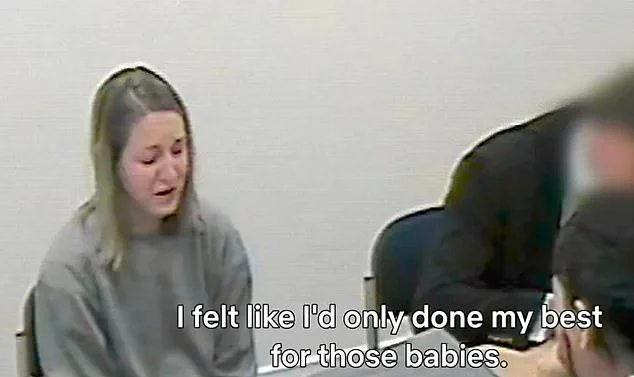
The documentary's creators invite viewers to act as a jury, scrutinizing Letby's micro-expressions and tone, a process that Letby's parents find unbearable.
The decision to include footage of Letby's arrest at her parents' home, capturing her mother's anguish and Letby's goodbye to her cat, is particularly controversial.
THE ETHICAL TIGHTROPE OF TRUE CRIME DOCUMENTARIES
The ethical implications of depicting such sensitive material, especially when it directly impacts the families of the accused, are significant.
What responsibility do documentary filmmakers have to the privacy and emotional well-being of the families of individuals accused or convicted of serious crimes?
How does the inclusion of private family moments, like Letby's goodbye to her cat, serve the journalistic pursuit of truth versus sensationalizing private grief?
The documentary's producers have defended the film, but the Letby parents’ strong reaction suggests a fundamental disconnect in how this footage is perceived and its ethical weight.
ECHOES OF DENIAL: PATTERNS IN PARENTAL RESPONSES
The fierce protection and unwavering belief displayed by John and Susan Letby resonate with patterns observed in other tragic cases, though often with less public visibility. The idea that parents might create a protective bubble around their child, even when faced with evidence of wrongdoing, is a complex psychological and social phenomenon.
Consider these parallels, not to equate them, but to understand the spectrum of parental denial and defense:
Read More: Prince Andrew Seen With Large Facial Bruise Near Norfolk Home
| Case Example | Core Allegation | Parental Response | Outcome/Observation |
|---|---|---|---|
| Lucy Letby (UK) | Murder of seven infants, attempted murder of others | Unwavering belief in daughter's innocence; condemnation of prosecution evidence and media; home described as a 'shrine' to her. | Continuous legal appeals; intense media scrutiny; parents actively resist the established narrative, viewing documentary footage as an "invasion of privacy." |
| Copeland and Ucman (California) | Starvation death of infant daughter Delilah | Admitted neglect: "We neglected her." Allegations of murder charges; statements revealing a disturbing exchange: "how do you think Delilah felt?" | Pleaded not guilty to first-degree murder charges. Their admission of neglect and subsequent dialogue points to a breakdown in responsibility, yet a complex emotional dynamic. |
| Marchelle Lynn Pertilla and Eugene Medrano (US) | Abandonment of teenage daughter in squalid home for a year | Left daughter and dogs behind when moving states; daughter kept a tally of rejections. | Facing child abuse charges. This case highlights extreme parental abandonment, a stark contrast to the protective posture of the Letbys, but still rooted in parental failure. |
The Letby parents' continued engagement with legal teams, including Ben Myers KC and Mark McDonald, for appeals, indicates a strategic effort to counter the verdict.
The case of Letby's parents is a particularly acute example of how deeply ingrained parental love and loyalty can become entangled with denial, creating a self-contained world where external truths are filtered through the lens of their daughter’s perceived innocence.
THE MOTIVE MYSTERY: UNANSWERED QUESTIONS
Despite Lucy Letby's conviction, the question of her motive remains a profound enigma, adding another layer to the complexity of her parents' unwavering support.
Without a clear, universally accepted motive for Letby's actions, how does this vacuum of understanding contribute to her parents' conviction that she is innocent?
Does the lack of a discernible motive make it easier for John and Susan Letby to believe their daughter is being wrongly accused, perhaps scapegoated?
How has the public inquiry into Letby's crimes, which has heard evidence from consultants and experts, been interpreted within the family's private circle?
LEGAL BATTLES AND PUBLIC PERCEPTIONS
Lucy Letby's legal team continues to pursue an appeal, indicating a prolonged fight against her conviction. This ongoing legal effort, coupled with the family's staunch denial of her guilt, highlights the deep divisions in how the case is perceived.
The parents' actions – meeting with solicitors, expressing anguish, and condemning the Netflix documentary – are not merely passive reactions but active components of a sustained campaign to challenge the verdict.
The prosecution's case, which relied heavily on statistical probabilities and circumstantial evidence rather than direct eyewitness accounts, has been a point of contention, fueling the defense's arguments for doubt. (Mail on Sunday, Article 11)
Experts like Dr. Shoo Lee, a neonatologist, are cited in the documentary, with some suggesting their international panel concluded that the infant deaths were due to hospital issues rather than deliberate harm. (The Tab, Article 16) This perspective, amplified by the documentary, can be used to bolster the defense's narrative.
THE ROLE OF EXPERTS AND EVIDENCE
The credibility and interpretation of expert evidence played a crucial role in Letby's trial, and it remains a focal point in the ongoing debate surrounding her conviction.
Read More: Unbelievable Series: Real Victim Marie Adler Finds Closure
How does the defense leverage expert opinions, such as those questioning the methods of prosecution expert Dr. Dewi Evans, to sow doubt about the conviction? (Primtmer, Article 7)
What are the implications of having medical experts, like Dr. Shoo Lee, suggesting alternative explanations for the infant deaths, such as understaffing and poor care?
Conversely, how do prosecution experts, such as Dr. Dewi Evans, whose evidence was central to the conviction, counter these alternative theories and maintain the integrity of their findings?
CONCLUSION: A FAMILY CAUGHT IN THE CROSSFIRE
The Lucy Letby case transcends the courtroom and the headlines, delving into the profound psychological and emotional entanglements that can ensnare families in the aftermath of unimaginable crime. The Letby parents' home, transformed into a sanctuary of denial and a symbol of their unwavering loyalty, stands as a stark monument to their struggle against a verdict they refuse to accept. The Netflix documentary, while aiming to illuminate the investigation, has inadvertently amplified the family's anguish, transforming their private grief into a public spectacle.
The Letby parents' continued belief in their daughter’s innocence, their active engagement in her legal defense, and their visceral rejection of media portrayals suggest a deeply entrenched psychological defense mechanism. Their home, a 'shrine' to Lucy, is not just a place of residence but a battlefield where they continue to fight for their daughter's reputation and freedom.
Read More: Harry and Meghan: Private Disagreements on Royal Rift Approach
The implications extend beyond this single family. The case forces us to confront:
The limits of parental belief when confronted with overwhelming evidence.
The ethical responsibilities of media producers in crafting true crime narratives that impact living individuals and their families.
The lingering questions about the justice system's ability to satisfy all parties when convictions are based on complex, albeit compelling, evidence.
As Lucy Letby remains in prison, her parents continue their vigil, their home a testament to a love that has become both their prison and their fortress. The unanswered question remains: at what point does parental devotion cross the line into a denial that isolates and perpetuates suffering for all involved? The ongoing appeals and the continued public fascination with the case suggest this is far from over.
Sources:
Daily Mail: How Lucy Letby's family home became a prison for her despairing parents
Daily Mail: Detail in Netflix Letby doc 'tricky to defend' for supporters of nurse
Daily Mail: Horrific exchange between parents after baby girl starved to death
Daily Mail: Note written by child left alone for YEAR after parents moved states
Martin Cid Magazine: The Footage Inside Lucy Letby’s Home That Sparked an Ethical Firestorm
Daily Mail: NHS exec who groomed girls on Snapchat is jailed for over 28 years
Mirror: Lucy Letby's 'violent' prison home - 'boiling water attacks and sex favours
Independent: Lucy Letby background: What she did, where she worked and her sentence
Daily Mail: Lucy Letby's parents blast Netflix doc as 'invasion of privacy'
Daily Mail: Why Lucy Letby's parents are convinced she's innocent
Daily Mail: Moment Lucy Letby's mother wails at police not to arrest her
The Tab: Lucy Letby’s furious family share anger over Netflix doc featuring unseen arrest footage
People: 5 Disturbing Bombshells from ‘The Investigation of Lucy Letby’