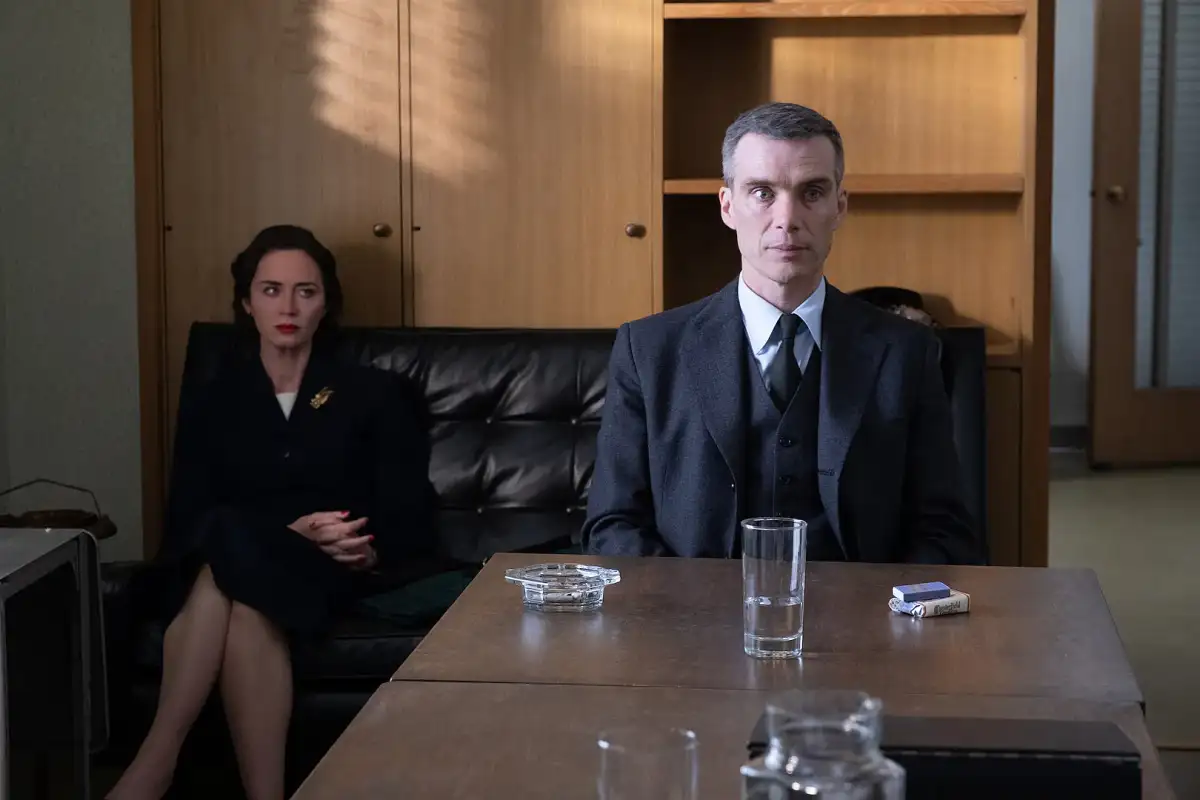
The notion that films are stretching out is more than just a feeling; data indicates a tangible increase in runtime, particularly for large-budget productions. Blockbuster-budgeted movies are growing longer, with a shrinking percentage of wide releases falling under 90 minutes over the past four decades.

Action films, a genre often at the forefront of cinematic spectacle, now average 128 minutes, a considerable jump from their runtime of just a few decades ago. This expansion is evident in recent box office successes: Project Hail Mary clocks in at 156 minutes, Dune: Part Two stretches to 166 minutes, and Oppenheimer reaches a substantial 180 minutes. For context, classics like Jurassic Park and Spider-Man 2 ran around two hours and seven minutes, while even Jaws and Star Wars: The Empire Strikes Back settled at two hours and four minutes.
Read More: 28 Years Later: The Bone Temple Tops Box Office Beating Avatar: Fire and Ash January 16 2026

While the average length of all films produced may not be dramatically increasing, the films reaching wide release and commanding significant box office attention are undeniably longer. This trend runs counter to the consumption habits fostered by online video, where viewers are accustomed to shorter formats measured in seconds or minutes. Furthermore, the overall theatrical experience itself is distended by increasingly lengthy pre-show advertisements and trailers.
The implications of this extended runtime are varied. Some audiences express frustration, finding contemporary films to be overly long. Others, however, suggest that perhaps viewers simply desire to see films as their creators intended, on a grand cinematic scale, a stark contrast to the fragmented viewing experiences on smaller, personal devices. The debate continues regarding whether this lengthening is a detriment or an evolution of the cinematic form.
Read More: Summer House: Amanda Batula's Rumored Link to West Wilson Strains Friendship with Ciara Miller