


FINANCIAL WINDS WHIP THROUGH HIGHER EDUCATION INSTITUTIONS
Universities across London are grappling with a noticeable decline in overseas student enrollment, a trend that directly impacts campus finances and the broader city economy. International students, who typically bear significantly higher tuition fees than their domestic counterparts, represent a substantial financial engine for these institutions. This drop in numbers, attributed in part to a tougher governmental stance on immigration and associated visa regulations, is now forcing a re-evaluation of financial strategies.
Reports indicate that this situation is not merely an abstract policy concern but a tangible reality for institutions. The University of East London, for example, has historically relied on its large contingent of 10,000 international students. A reduction here would undoubtedly strain university budgets and, by extension, affect London's economic landscape.

RIPPLE EFFECTS AND SENSITIVITIES
The current climate, characterized by stricter immigration policies and increased scrutiny of international student visas, is generating unease. This has led to concerns that potential overseas students may be deterred from choosing UK universities.
The tightening of regulations, framed as a "crackdown" by some commentators, has been identified as a key factor contributing to this enrollment dip. This is occurring at a critical juncture when universities are increasingly dependent on the revenue generated from international student fees to subsidize operations and, in some cases, the fees for domestic students.
Read More: MTSU Police Arrest Two for Nine Stolen Scooters After Student Tip
Concerns are being voiced by sector representatives. James Pitman, chair of Independent Higher Education (IHE), a group representing numerous higher education providers, acknowledges that while so-called "flag wars" might be a minor deterrent, the broader sentiment surrounding anti-immigration policies will "indirectly, inevitably" lead to a reduction in international income for universities.

Adding to this perspective, Nick Hillman, founder of the Higher Education Policy Institute, suggests a correlation between political rhetoric and student choices. He posits that increased negativity surrounding international students from certain political factions could indeed influence enrollment figures. A source within one university noted worries that political parties focusing on immigration could target international students, potentially leading to measures like capping numbers or adopting a more hostile stance.
POLITICISED ACADEMIA AND ECONOMIC REALITIES
Sadiq Khan, Mayor of London, has been vocal in his criticism, labelling the government's proposed measures as "self-harm." During a trade mission to Ghana, Nigeria, and South Africa, Khan intends to speak out against a potential tax on income derived from foreign students. His stance is echoed by London Higher, an organization representing universities, which has supported Khan's call for the proposed levy not to proceed.
Read More: Clair Obscur Expedition 33 Leads 2026 BAFTA Games Nominations in London for April 17 Awards
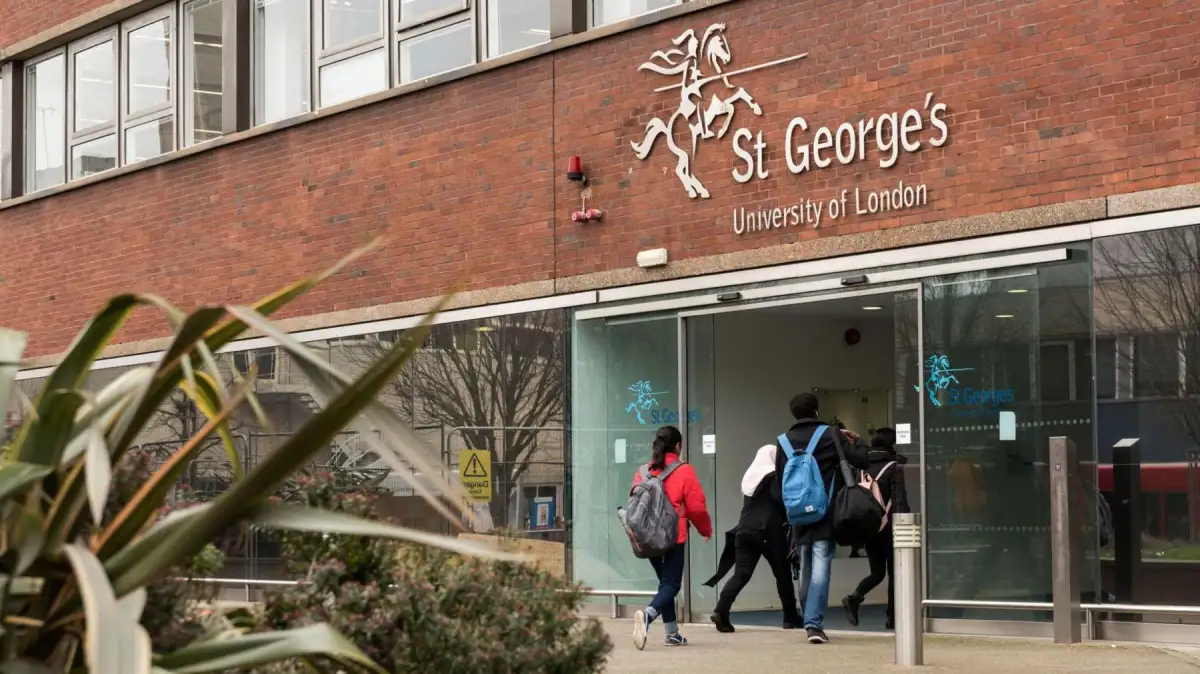
Khan was among those who successfully advocated for the government to reconsider proposed changes to welfare provisions affecting this demographic.
The increasing number of international students in recent years, particularly at the postgraduate level where they outnumbered UK postgraduates, underscores the sector's reliance on this demographic. This trend highlights the significant economic contribution these students make, both directly through fees and indirectly through living expenses and their presence in the city.
The narrative surrounding international students has become increasingly politicised, with some political movements potentially viewing them as a component of net migration figures. This perspective raises fears of future policy decisions that could further restrict their access to UK higher education. The impact of such potential measures is viewed as having a "severe impact on the sector" by some within the academic community.
Read More: Conservative youth group expands to 2,000 US high schools with state support

HISTORICAL CONTEXT AND FUTURE UNCERTAINTIES
London's universities have historically been attractive destinations for students globally, drawn by the reputation of its academic institutions and the vibrancy of the city itself. Studying in London is often a significant financial undertaking for families, with international students paying substantially higher fees. The current situation raises questions about whether London is losing its appeal as a study destination.
The decline in enrollment appears to be a multifaceted issue. While overt policy changes are a significant factor, the broader discourse around immigration and the reception of overseas students within the UK also plays a role. This complex interplay of policy, economics, and public sentiment is shaping the future of international student recruitment for London's campuses.