Internal party divisions within the Australian Liberal Party have surfaced, marked by a series of resignations from the opposition's front bench. These actions precede a formal leadership ballot, highlighting a clear challenge to the current leadership and signaling a period of significant internal negotiation and potential change.
Context of the Leadership Challenge
The Liberal Party is currently navigating a period of internal assessment following a wave of resignations from its front bench. The key figures in this unfolding scenario are Sussan Ley, the current leader, and Angus Taylor, who has formally declared his intention to challenge her for the party's leadership.
Timeline of Events:
Angus Taylor resigned from his frontbench position as Opposition defence spokesperson on the evening of February 10, 2026. This move preceded his formal announcement of a leadership challenge.
On February 11, 2026, several other Liberal frontbench members announced their resignations from their roles. These included James Paterson, Jonathon Duniam, Phil Thompson, Claire Chandler, and Matt O'Sullivan.
A special Liberal Party meeting has been scheduled for Friday morning, February 12, 2026, at 9 am to hold a leadership ballot.
Key Actors:
Sussan Ley: The incumbent Liberal Party leader.
Angus Taylor: A leadership aspirant who has resigned from the front bench and announced his challenge to Ley.
Phil Thompson: Reportedly acted as an envoy for Taylor, resigning from the front bench and subsequently throwing his support behind Taylor's challenge.
Conservative vs. Moderate Factions: Evidence suggests that the resignations have predominantly come from the party's conservative wing. Moderate members, such as Senator Dave Sharma, have remained non-committal on their public support for either candidate ahead of the vote.
The party's internal dynamics appear to be at a critical juncture, with the upcoming ballot poised to determine the direction of the Liberal leadership.
Evidence of the Leadership Contest
Multiple reports confirm Angus Taylor's intention to challenge Sussan Ley and the subsequent resignations from the Liberal front bench.
Read More: MDMK Wants More Seats to Get Official Recognition
Taylor's Declaration: While not initially calling for a leadership "spill," Angus Taylor stated that the Liberals had "let Australians down" and subsequently formally announced his intention to challenge Ley for the leadership. He released a brief pitch for the leadership on Instagram, asserting that Ley's gender should not influence the leadership debate.
Frontbench Resignations: The resignation of Angus Taylor from his role as Opposition defence spokesperson was a significant indicator. This was followed by resignations from James Paterson, Jonathon Duniam, Phil Thompson, Claire Chandler, and Matt O'Sullivan. Notably, these resignations have been concentrated within the party's conservative faction.
Ley's Support Base: Despite the wave of resignations, Sussan Ley retains support from within the party. Opposition housing spokesperson Andrew Bragg and Opposition legal affairs spokesperson Andrew Wallace are noted backers of Ley.
Ballot Scheduling: The formal leadership ballot has been set for Friday morning, indicating a commitment to resolving the contest through party procedures.
Divergent Factions and Strategies
The current political maneuvering within the Liberal Party highlights a clear division, particularly between conservative and moderate wings, and suggests distinct strategic approaches to the leadership challenge.
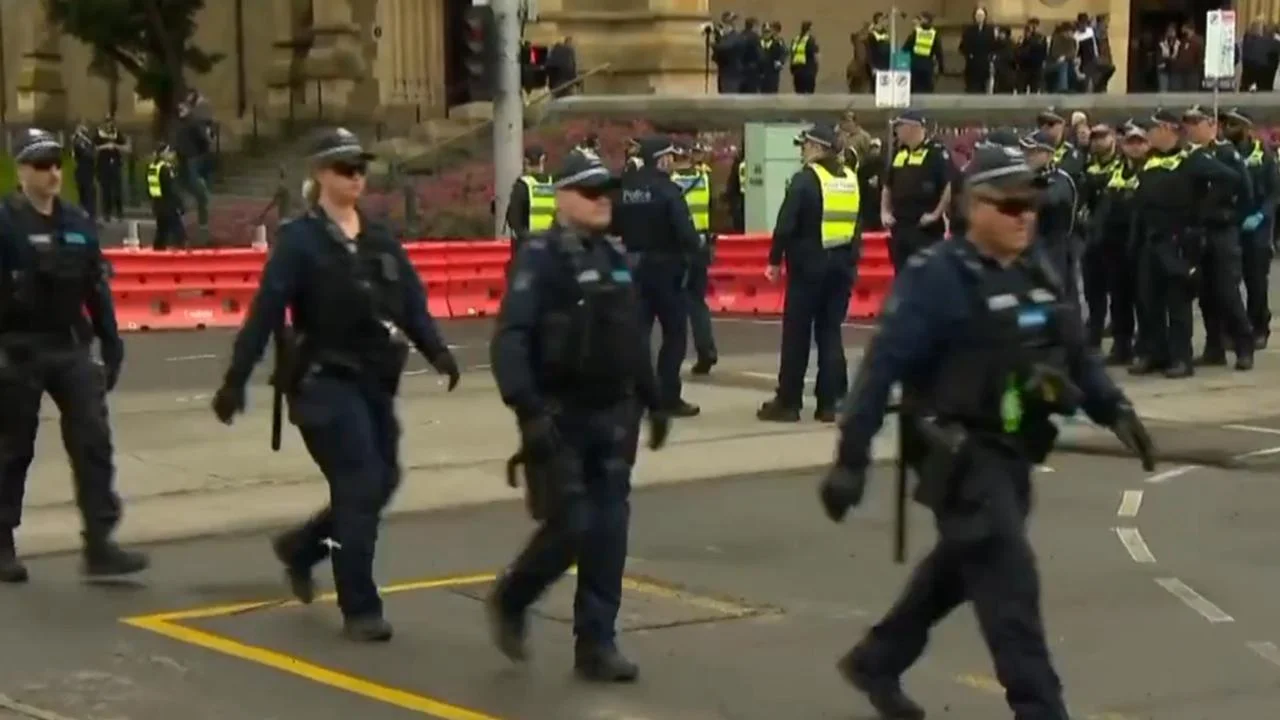
Read More: Protests in Melbourne During Israeli President's Visit
Conservative Mobilization:
The pattern of resignations has been described as predominantly coming from the "conservative" wing of the party.
Figures like Claire Chandler and Phil Thompson have stepped down from their frontbench roles, aligning themselves with Angus Taylor.
Thompson's role as a potential "envoy" for Taylor suggests a coordinated effort within this faction to support Taylor's bid.
One report notes that a rebel Queensland LNP MP urged colleagues to "put on the full armour of God" and speak against abortion, indicating the strong ideological leanings of some within the broader Liberal movement that may align with Taylor's supporters.
Moderate Deliberation:
Moderate senators and members appear to be taking a more measured approach.
Moderate senator Dave Sharma explicitly stated he would not publicly reveal his support before the vote, indicating a period of internal calculation.
The focus on Ley's gender as the "first female Liberal leader" by Taylor suggests a potential tactic to de-emphasize identity politics and focus on policy or leadership style, a stance that might resonate differently across various party factions.
Ley's Position:
Ley is actively defending her leadership and has her own stated backers, indicating she is prepared to contest the ballot.
The scheduling of the ballot implies Ley's administration is proceeding with the formal party process to resolve the challenge.
The outcome of the ballot will likely depend on how these distinct factions align and what weight they give to the arguments presented by both Taylor and Ley.
Labor's Parliamentary Engagement
While the Liberal Party undergoes its internal leadership contest, the Australian Labor Party has signaled its intent to capitalize on the situation during parliamentary proceedings.
Read More: Gen Z's Big Test: Can Young Voters Change Bangladesh?
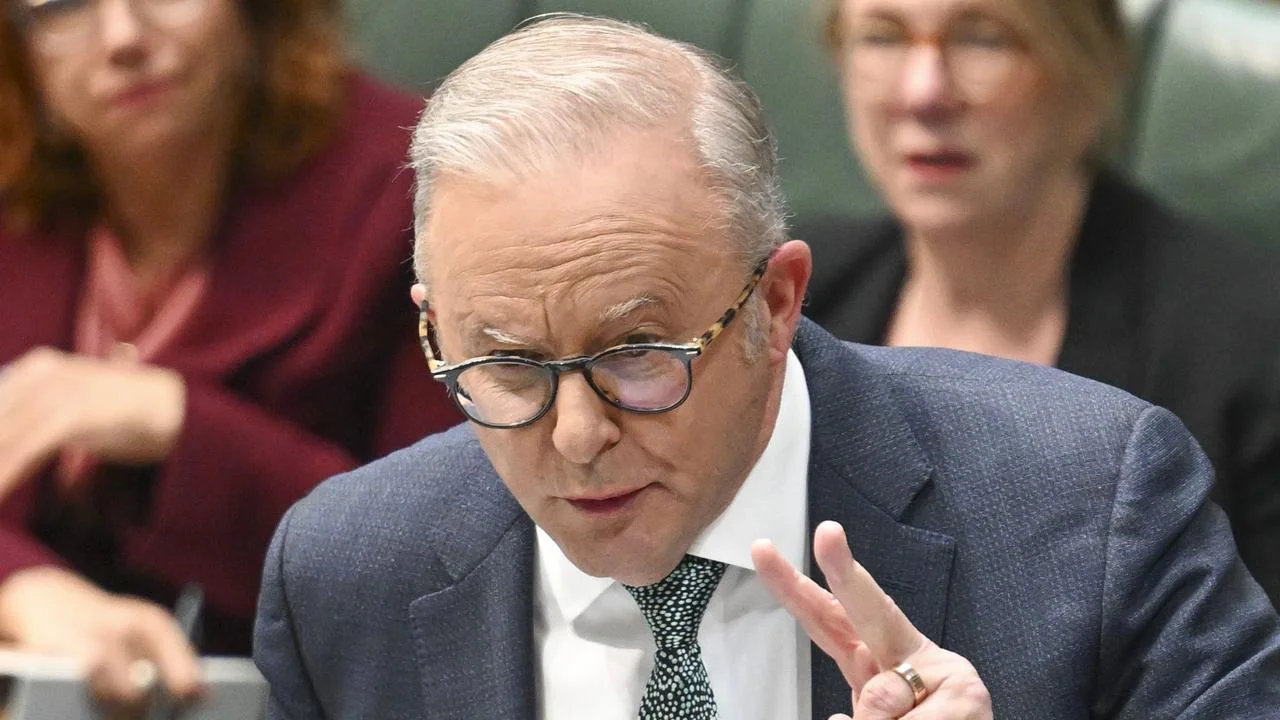
Targeting Angus Taylor: Reports indicate that the Labor Party intends to "target Angus Taylor during question time." This suggests a strategic move to exploit the perceived instability within the Liberal Party ranks.
Focus on Resignations: Labor's approach likely involves drawing attention to the significant number of frontbench resignations. This could be framed as evidence of disunity and a lack of confidence in the Liberal Party's current direction or its leadership.
Potential for Scrutiny: During question time, Labor typically probes government (or in this case, opposition) actions, policies, and internal dynamics. The current Liberal leadership contest provides ample material for such scrutiny.
The Labor Party's focus suggests an understanding that internal opposition strife can weaken the effectiveness and public perception of the Liberal Party as a cohesive political force.
Expert Analysis and Observations
Political commentators have offered perspectives on the Liberal Party's internal dynamics and the significance of the leadership challenge.
Read More: Many Protests Happen in Australian Cities
Internal Divisions: Analysts point to the resignations as a clear manifestation of deep-seated internal divisions within the Liberal Party. The concentration of these resignations among conservative members highlights a particular factional push.
Leadership Credibility: The challenge to Sussan Ley and the subsequent resignations raise questions about her leadership's perceived strength and unity. The public display of disunity can be detrimental to a party's standing.
Strategic Timing: The timing of Angus Taylor's challenge and the accompanying resignations, leading up to a formal ballot, indicates a deliberate strategy to maximize pressure on Ley and rally support for his own bid.
Impact on Opposition Effectiveness: The focus on internal contests can distract from the opposition's primary role of scrutinizing the government. Commentators suggest this internal struggle could dilute the impact of Liberal Party messaging on other policy fronts.
Conclusion and Implications
The Australian Liberal Party is at a pivotal moment, characterized by a formal leadership challenge and a wave of frontbench resignations. The impending leadership ballot on Friday, February 12, 2026, represents a critical juncture that will determine the party's immediate direction and leadership.
Read More: Minister Asks to Stop Firing Top Civil Servant While New Papers Come Out
Key Findings:
Angus Taylor has formally challenged Sussan Ley for the Liberal leadership.
A significant number of conservative frontbench members have resigned their positions in apparent support of Taylor's bid.
Moderate factions are exhibiting more cautious engagement, withholding public endorsements.
The Labor Party is poised to leverage this internal division in parliamentary questioning.
Implications:
The outcome of the ballot will shape the Liberal Party's strategic direction and public image.
The depth of the reported factional divides will likely continue to influence party decision-making beyond the leadership contest.
The opposition's ability to effectively challenge the government may be impacted by the resolution of this internal dispute.
Next Steps:
The Liberal Party leadership ballot will be conducted on Friday morning.
The post-ballot period will reveal the extent of party unity or further division, depending on the result and the reactions of both factions.
The Labor Party will likely continue to scrutinize the Liberal Party's internal stability and its leadership.
Sources Used:
Read More: Barbeques Galore Stores Close After Company Faces Money Problems
ABC News: Reports on Angus Taylor's resignation and Ley's leadership.
SBS News: Live blog coverage detailing the Liberal leadership ballot, Taylor's challenge, and resignations.
Link: https://www.sbs.com.au/news/live-blog/angus-taylor-sussan-ley-liberals-liveblog/dy9ywzde0
News.com.au: Article focusing on Claire Chandler's resignation and Angus Taylor's leadership pitch.
The Guardian (Australia): Live Australian politics update mentioning Michaelia Cash's resignation and Labor targeting Angus Taylor, alongside support building for Taylor.
Link: https://www.theguardian.com/tone/news (Note: Specific article URL for live blog was not directly extractable, but the content discussed is present in the provided summary.)