.png)
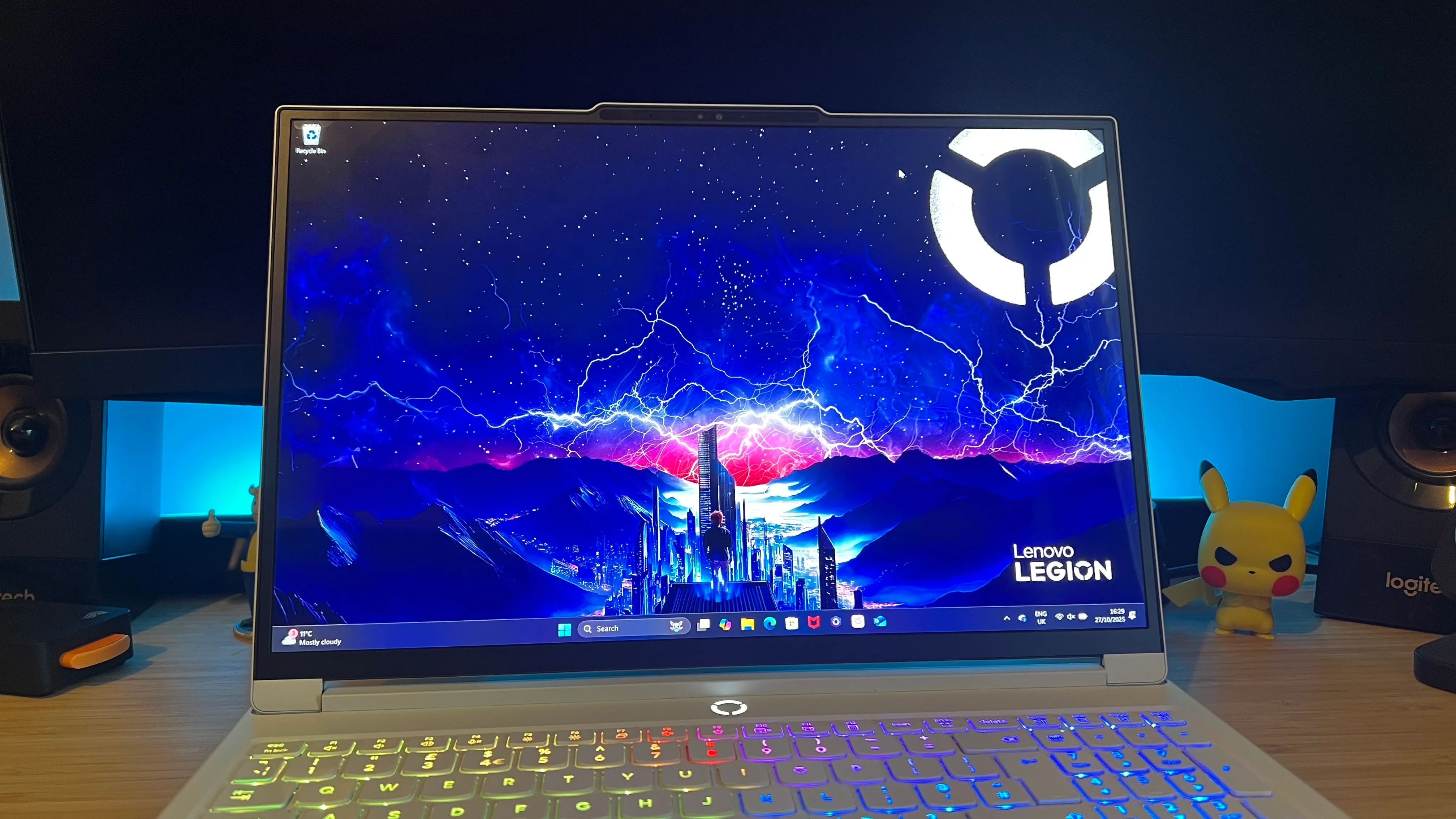
The Lenovo Legion 7i Gen 10 arrives in the market as a high-end Gaming Laptop that prioritizes aesthetic refinement and input ergonomics over raw performance-per-dollar. While the hardware offers capable metrics for modern gaming, users find themselves paying a premium for a lifestyle-oriented chassis that risks trailing behind less expensive, utility-focused competitors.

Core Signal: The Legion 7i Gen 10 succeeds as a portable, well-constructed device, but its internal power constraints—specifically the GPU wattage—suggest that buyers are funding its sophisticated exterior more than peak silicon output.
Performance and Thermal Realities
In current benchmarking, the machine operates within expected boundaries for an Intel Core Ultra 7 255HX paired with an Nvidia GeForce RTX 5060. While these components handle demanding titles like Black Myth: Wukong and Cyberpunk 2077 using upscaling technologies (DLSS/MFG), the hardware often falls short of the higher-wattage throughput seen in "Pro" or "Area-51" series alternatives.
Read More: Chrome mimeHandler API lets extensions handle file types
Thermal Management: Temperatures hover between 78-90 °C for the CPU and 78-82 °C for the GPU under load.
Consistency: Users report stable framerates, though intensive gaming can cause the area surrounding the keyboard to become uncomfortably warm.
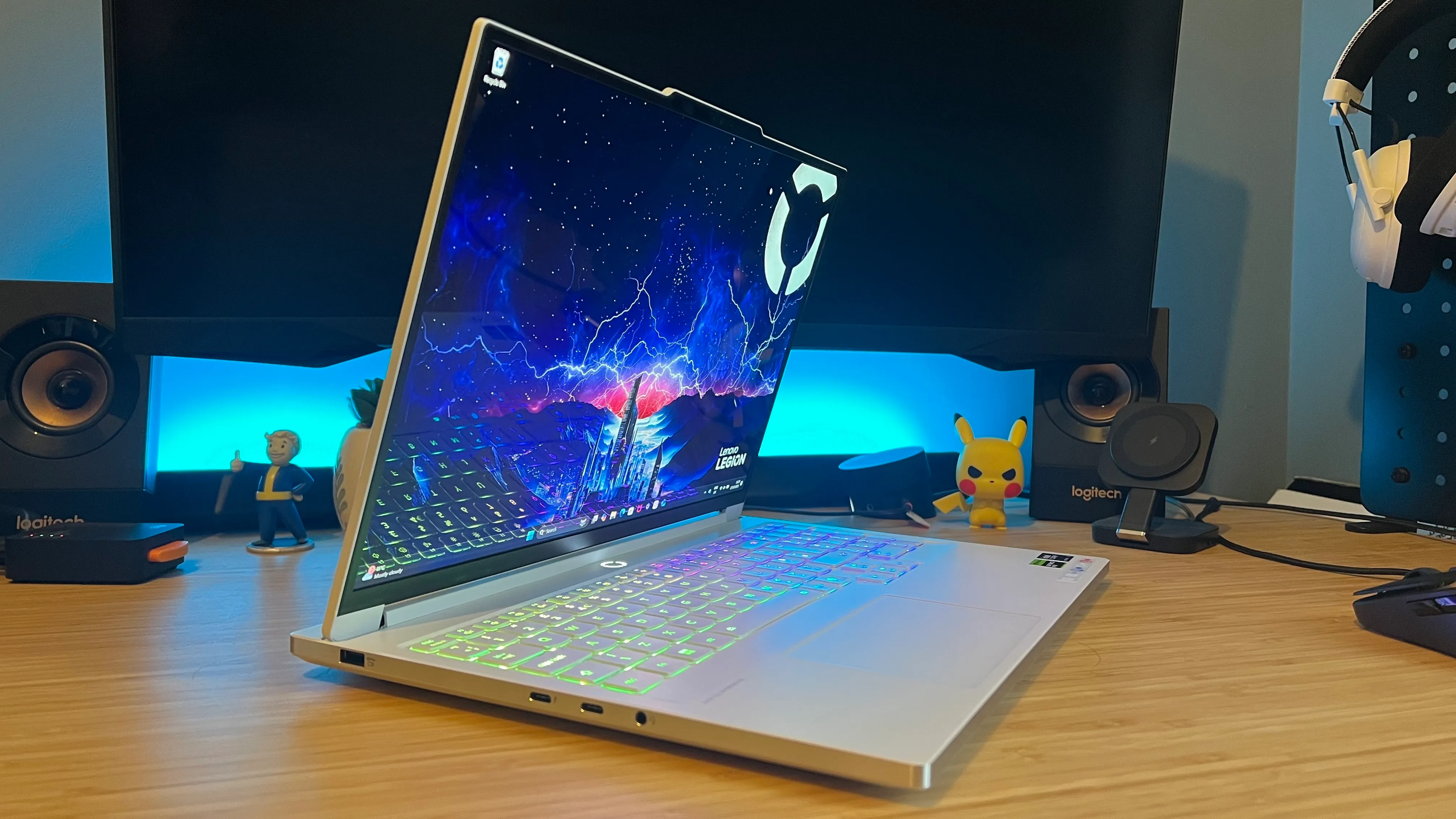
Portability: Weighing 4.33 pounds (1.96 kilograms), it occupies a distinct space between the ultrathin market and traditional, bulky performance rigs.
Design as a Product Philosophy
The market narrative surrounding this device frequently centers on its build. The all-white finish and tactile quality of the keyboard receive near-universal praise, leading many reviewers to describe it as a machine that looks more at home in a Professional Studio than a traditional gaming cave.
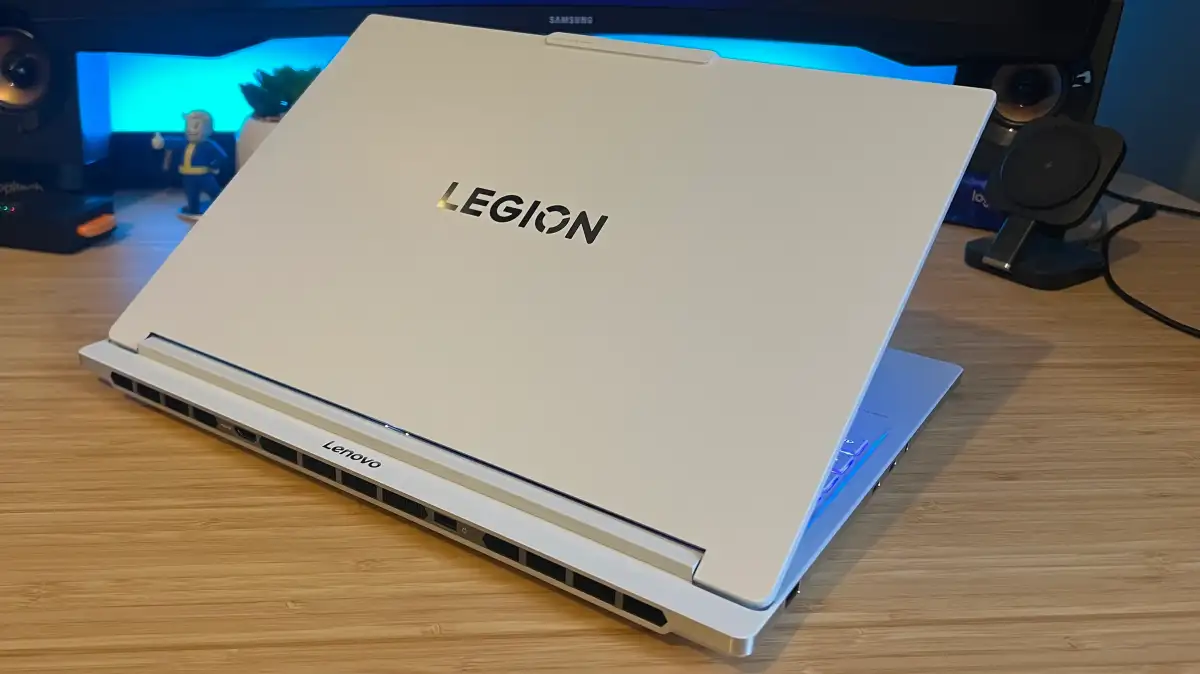
| Feature | Assessment |
|---|---|
| Keyboard | Highly regarded for typing feel and precision |
| Display | High-fidelity 16-inch OLED (165Hz) |
| Build | Sleek, thin-and-light orientation |
| Value | Low; costs often rival more powerful, less aesthetic rigs |
Background: Contextualizing the Iteration
The Gen 10 represents an incremental shift rather than a structural overhaul. Since the Gen 9 established the series as a well-rounded contender, the 2025/2026 iteration has focused on efficiency and cosmetic differentiation.
The machine sits in a crowded segment where Lenovo’s own portfolio—specifically the more industrial Legion Pro models—provides a stark contrast. The Legion 7i remains an "Editors' Choice" for those who prioritize a cohesive, premium-feeling object for hybrid work and play, provided the user accepts that they are sacrificing top-tier thermal headroom and maximum GPU performance to achieve that specific form factor.
Read More: GPU Power Growth 2009-2025: RTX 5090 vs Radeon HD 5870 Analysis