Lenovo has shifted its portable computing focus toward ARM-based chipsets, prioritizing power efficiency and fanless operation across its IdeaPad and Yoga lines as of May 2026. Data from retail channels and technical benchmarks indicate a transition away from traditional x86 architecture for the mid-range sector, utilizing Qualcomm Snapdragon and MediaTek Kompanio silicon to achieve battery endurance exceeding 14 hours.
Hardware performance and market shift
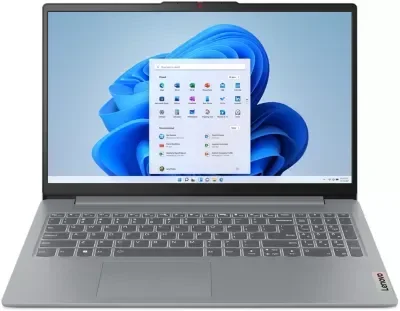
Current retail listings for the IdeaPad Slim 3 15Q8X10 highlight the integration of the Snapdragon X X1-26-100 processor, marking a departure from historical CPU standards. Technical assessments suggest that these configurations aim to balance thermal management with the physical demands of larger form factors.
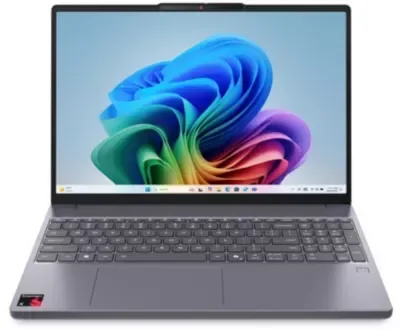
Lenovo Yoga Slim 7x: Features the MediaTek Kompanio Ultra 910; defined by silent, fanless operation and high-resolution OLED output.
IdeaPad Slim 5: Positioned for standard office workflows; leverages Snapdragon architecture to extend operational uptime.
Market Positioning: Lenovo is currently utilizing these ARM-based iterations to undercut traditional workstation pricing while maintaining premium display specifications.
| Model | Processor Architecture | Primary Advantage | Cooling Mechanism |
|---|---|---|---|
| Yoga Slim 7x | MediaTek Kompanio | Battery longevity | Fanless / Silent |
| IdeaPad Slim 3 | Snapdragon X | Computational efficiency | Integrated |
| IdeaPad Slim 5 | Snapdragon | Office workflow stability | Passive |
Design and visual constraints
While the move toward ARM-based hardware offers utility, specific physical drawbacks persist in these recent releases. Reports suggest that the implementation of OLED panels in current Yoga and IdeaPad models remains hindered by screen reflectivity. This suggests a trade-off where color reproduction and contrast levels are prioritized over anti-glare usability in bright environments.
Read More: NVIDIA B200 Chip Changes Cloud Pricing and Performance
"The shift toward ARM architecture represents a pivot in consumer expectations, where endurance and thermal silence have replaced the raw clock-speed dominance of the previous decade."
Industry Context
The rapid integration of Snapdragon X chips across the Lenovo portfolio suggests a broader industry response to the thermal inefficiencies found in high-performance laptops. As of 28/05/2026, the hardware ecosystem is increasingly bifurcated between high-drain professional workstations and these new, efficient ultraportable units designed for mass-market consumption. The exclusion of chargers in some base packages—such as the IdeaPad Slim 3—also points to a standardization of power delivery, further streamlining the manufacturing process for these new chipsets.