More than 38 Labour MPs have publicly opposed Justice Secretary David Lammy's plans to curtail jury trials, threatening a significant backbench rebellion and a potential parliamentary showdown. This growing dissent includes prominent figures like former shadow chancellor John McDonnell, who have signed open letters and motions demanding a U-turn on the proposed reforms to the Courts and Tribunals Bill.
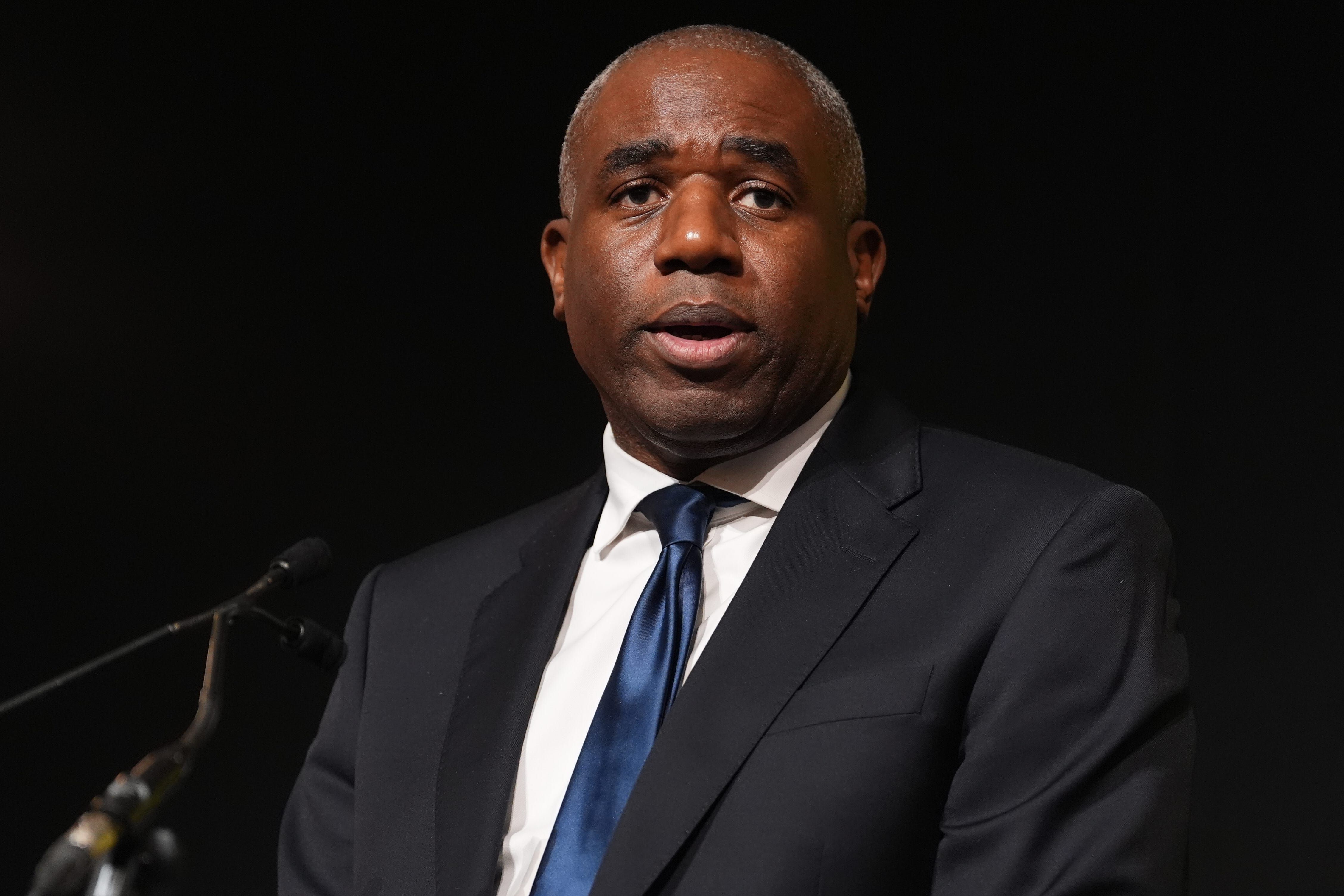
The core of the dispute centres on Lammy's proposal to allow judges to preside over certain cases without a jury, a move he claims will expedite a justice system mired in backlog. He asserts the new system could resolve cases "a fifth faster" than traditional jury trials, a statistic presented against a backdrop where nearly half of the current court backlog involves violent and sexual offences, and a mere 3% of criminal cases currently utilize jury trials.
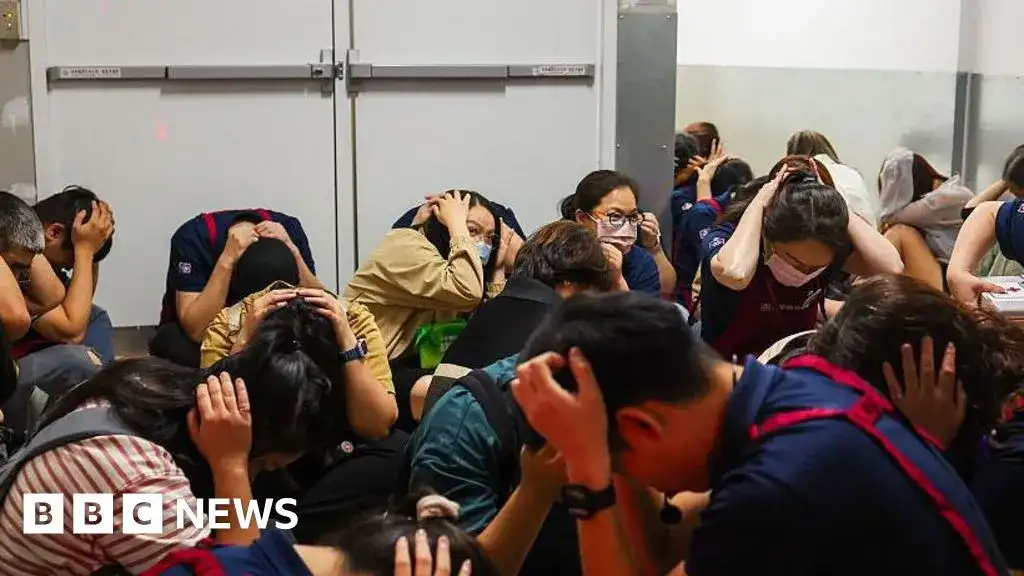
Read More: Taiwan Holds Nantou County Drills to Prepare for State Collapse

However, this rationale is met with fierce resistance. A coalition of over 3,200 legal experts, including top lawyers and retired judges, have penned an open letter arguing that "juries have not caused this crisis." They advocate for alternative solutions to the backlog, emphasizing the need for increased investment in the justice system as a vital public service, comparable to healthcare and education.
The proposed changes have ignited a fierce debate, pitting the government's push for efficiency against what critics decry as an erosion of a "centuries-old legal right." Concerns are particularly acute regarding potential unfairness and miscarriages of justice for minority ethnic defendants, with one criminal barrister noting the move could be "unconstitutional and politically naive."
DISSENT GROWS AMONGST THE RANKS
The numbers opposing Lammy's initiative appear substantial and growing. While 38 MPs signed a specific letter, reports indicate "many more" are prepared to rebel if their concerns are not addressed. Labour voters themselves appear divided, with a recent poll showing 37% opposing the changes and 29% supporting them, though Labour voters are the most open to reform (43% support).
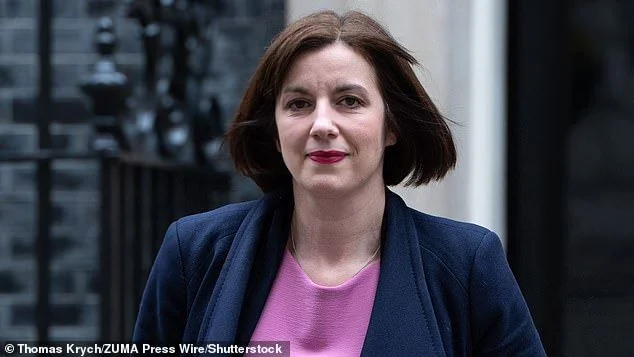
Read More: Ministers Delay Single-Sex Guidance Before May 7 Elections, Critics Say
This dissent extends beyond parliamentary backbenches. The victims’ commissioner, Claire Waxman, has urged MPs to heed the voices of victims suffering severe personal consequences, including job loss, mental health deterioration, and suicide attempts, due to protracted waits for justice. This adds another layer of complexity to the debate, as the urgency of clearing the courts is juxtaposed with the human cost of delays.
THE CASE FOR REFORM
David Lammy has framed the proposed reforms as a necessary response to an "emergency" in the courts. The proposals draw, in part, from recommendations in Sir Brian Leveson's independent review, which suggested measures like diverting more offenses to magistrates' courts or an intermediate tribunal. The Justice Secretary’s argument for speed is underscored by the Ministry of Justice's data, highlighting the significant portion of the backlog related to serious offenses.
Read More: FBI Analysts Review Georgia 2020 Election Data in Fulton County
HISTORICAL CONTEXT AND ALTERNATIVE VISIONS
The right to a jury trial in England and Wales has deep historical roots, often seen as a cornerstone of the legal system. Critics argue that any curtailment, even for efficiency, represents a fundamental shift with potentially far-reaching implications. Suggestions for tackling the backlog, aside from removing juries, include increasing court sitting days and exploring models like judge-only trials seen in other jurisdictions, such as Canada. The debate is poised to intensify as the Courts and Tribunals Bill moves towards a second reading, with Labour MP Karl Turner notably vowing to break the party whip to vote against the measures.