Clashes and Blockades Grip La Paz as President Paz Faces Deepening Crisis
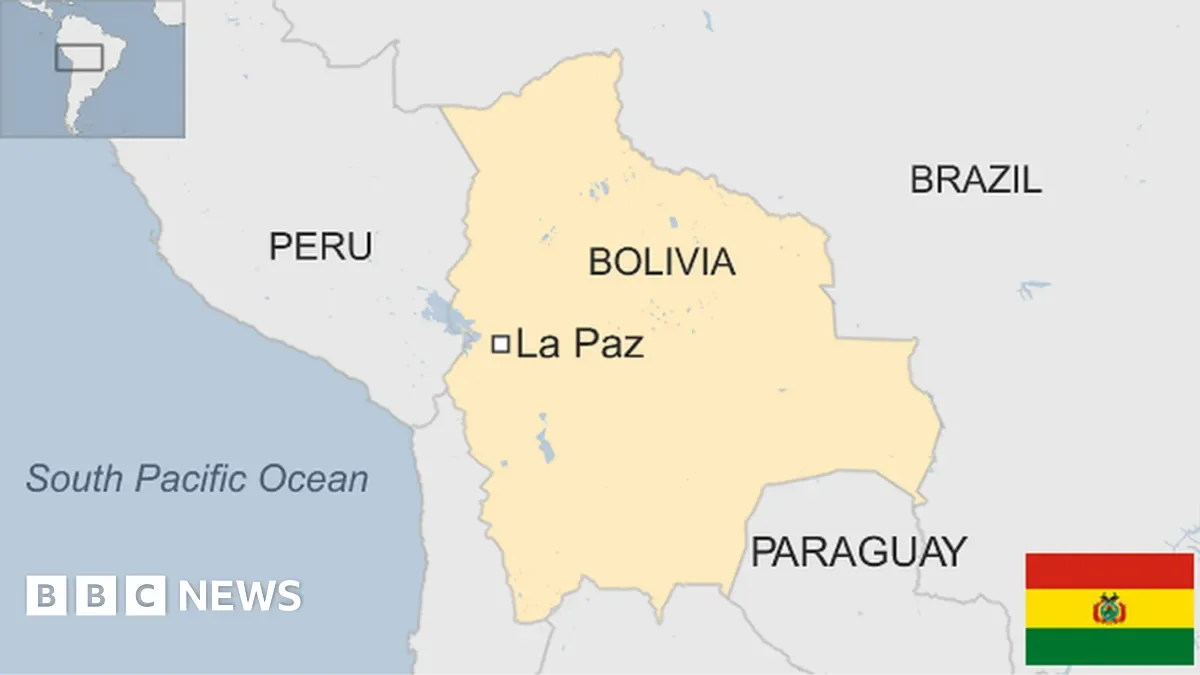
LA PAZ, Bolivia – The political heart of Bolivia is under duress. Widespread protests and highway blockades have plunged the nation into a deepening crisis, leaving the capital city under siege less than six months into President Rodrigo Paz's term. On Monday, the situation escalated as supporters of influential ex-President Evo Morales clashed with police in La Paz, joining a growing chorus demanding Paz's resignation.
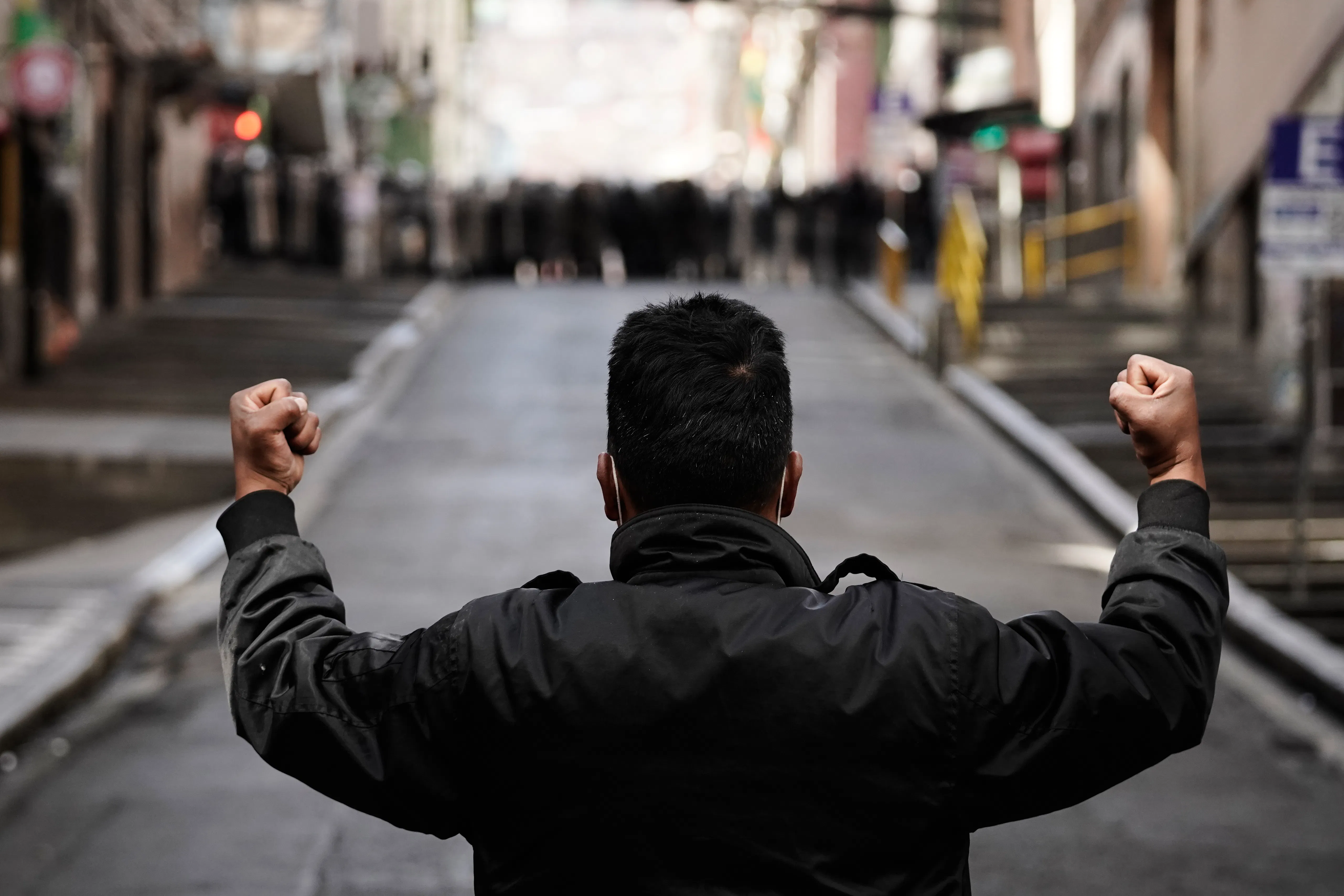
The core of the unrest appears to stem from a confluence of political fragility and economic hardship. President Paz, lacking a legislative majority and a robust political party, faces significant opposition. Demonstrators have resumed blockades, with the Bolivian Highway Administration reporting at least 32 roadblocks on national highways on Monday alone. This widespread disruption has choked supply routes into the capital, leading to shortages and mounting public anger over an economic crisis gripping the Andean nation.
Read More: Iran Zagros Mountain Nuclear Site Construction Update April 2026
Escalating Violence and Regional Concerns
The protests intensified on Monday, marked by violent clashes between demonstrators and riot police. Tear gas filled the streets of La Paz as shops shuttered. Reports indicate government offices were looted amidst the unrest. A protest leader has reportedly faced terrorism charges in connection with the ongoing demonstrations.
The widening protests and blockades are not going unnoticed beyond Bolivia's borders. The United States has issued warnings, with one report framing the situation as an 'ongoing coup d’état.' Regional stability is also a concern, with the crisis worrying the wider South American community.
Adding to the internal turmoil, President Paz is reportedly engaged in an open feud with his vice president, former police officer Edman Lara. Meanwhile, Evo Morales, from his base in Bolivia’s remote tropics, appears to be marshaling a significant portion of the opposition.
Read More: Bolivia Energy New Officials Appointed November 18 2025
Background on Bolivia
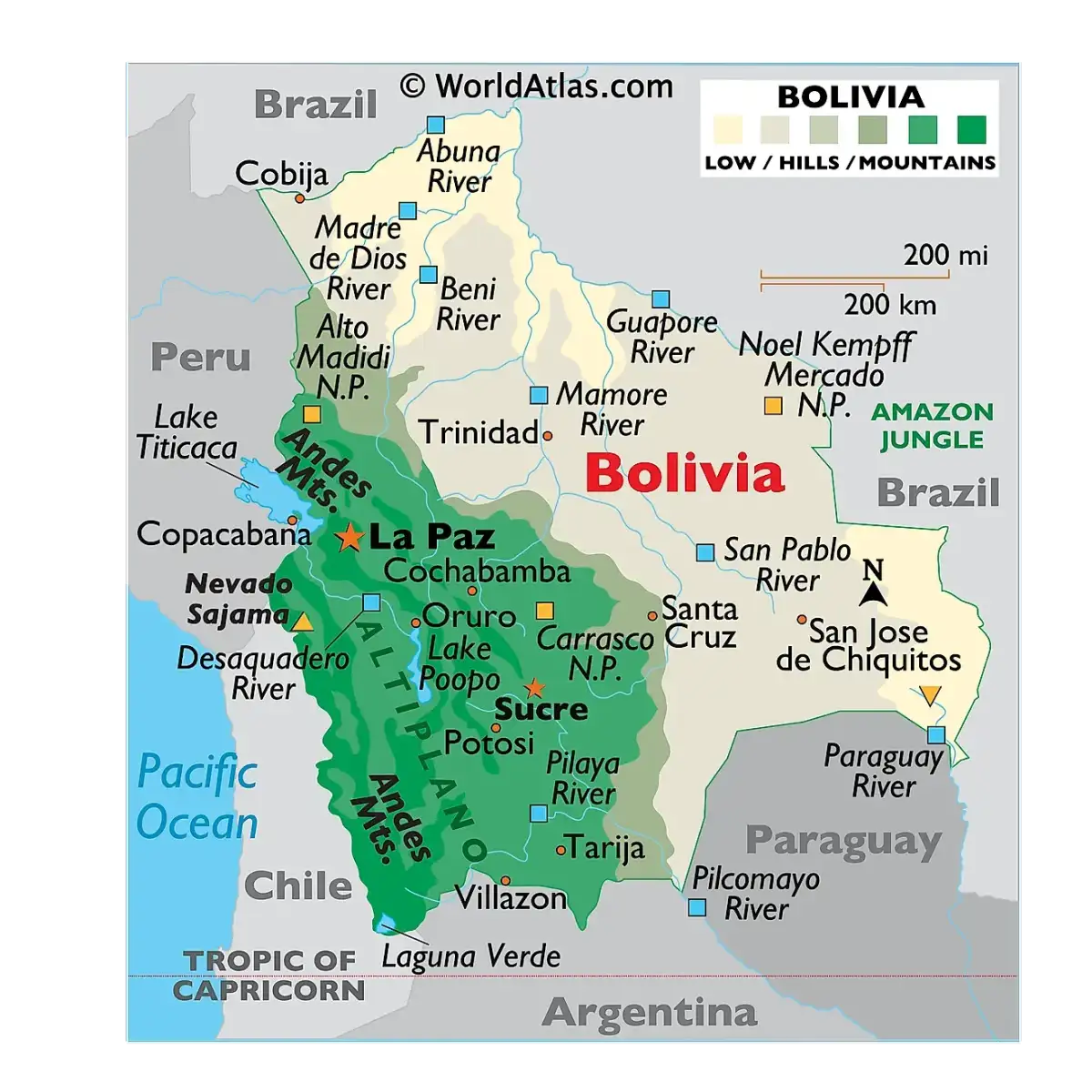
Bolivia, a landlocked nation situated in west-central South America, is the fifth-largest country on the continent and the largest landlocked nation in the Southern Hemisphere. Its territory spans 1,098,581 square kilometers. The country has a rich and complex history, marked by its independence in the early 19th century under the leadership of Simon Bolivar. Later, the 1970s saw the rise of a 'brutal military regime' under Hugo Banzer.
The nation officially known as the Plurinational State of Bolivia has Sucre as its constitutional and judicial capital, with La Paz serving as the administrative capital. Its population is approximately 12 million, with Spanish being the official language, alongside numerous indigenous languages such as Quechua, Aymara, and Guaraní.
The country holds significant natural resources, including being one of the world's largest producers of coca, the raw material for cocaine. Indigenous groups have expressed concerns about the country relinquishing control over its reserves, viewing them as a crucial remaining natural asset. President Luis Arce of the Mas socialist party took office in November 2020, following a period of political interregnum.
Read More: 40 Die in Quetta to Peshawar Bus Crash in Balochistan on April 3 2026