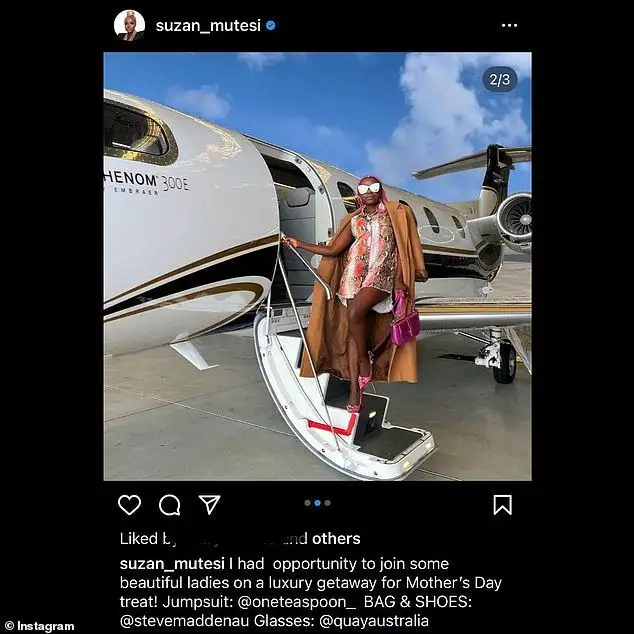
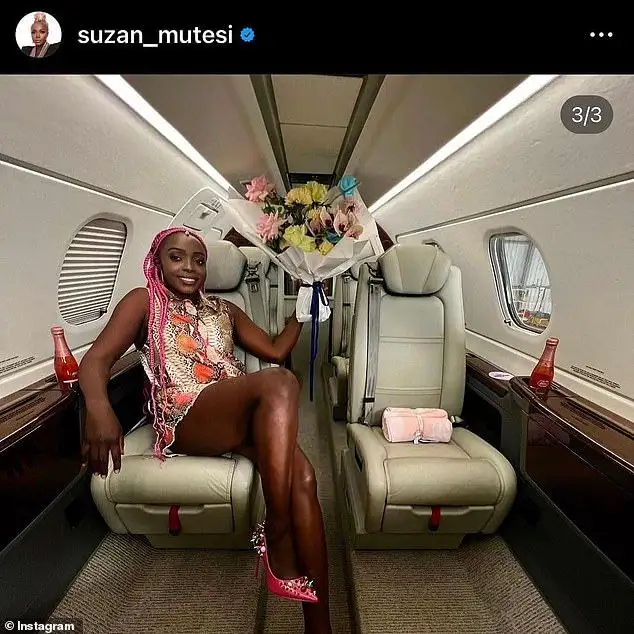
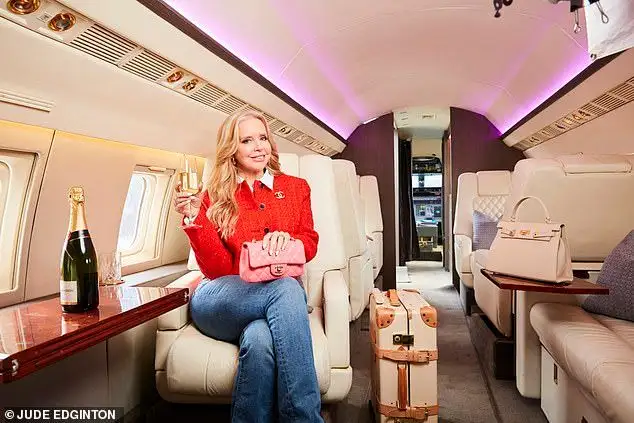
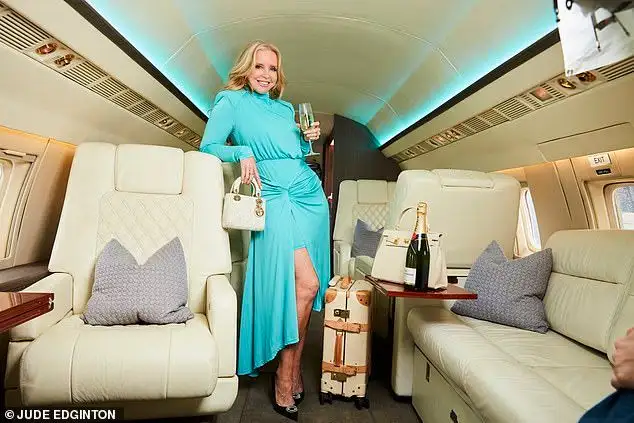
Digital status is now a marketable commodity untethered from actual financial means. Creators are increasingly utilizing industrial studio spaces, such as those in Los Angeles, to rent high-fidelity replicas of private jet cabins, luxury car showrooms, and lifestyle environments for as little as $64 per hour. These sets serve as physical stages for the curation of artificial capital, allowing individuals to project an image of hyper-wealth to secure genuine brand sponsorships.
The primary mechanism for this trend is the exploitation of visual heuristics: consumers correlate high-end imagery with legitimacy, and influencers weaponize this assumption to inflate their market value to corporate partners.
The Mechanics of Projection
The process relies on a chain of manufactured signifiers designed to bypass critical scrutiny:
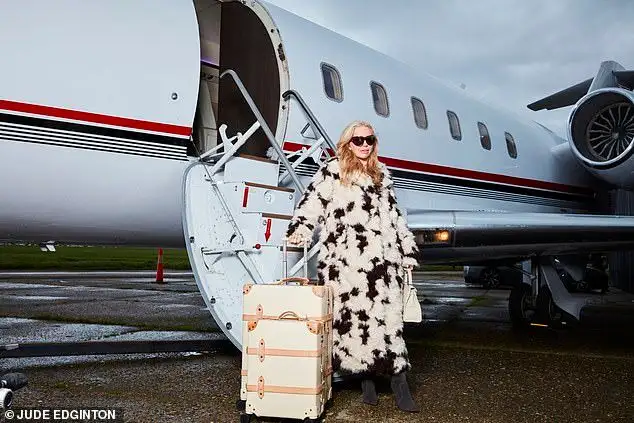
Spatial Mimicry: Accessing private jet studios provides the backdrop for travel content that never leaves the ground, effectively decoupling the visual status of 'travel' from the physical reality of transit.
Asset Leasing & Staging: Beyond studio rentals, the secondary market for empty luxury packaging—boxes, shopping bags, and dust covers—allows for the simulation of high-consumption habits without the purchase of the underlying goods.
Statistical Inflation: The purchase of bot-driven followers and automated engagement creates a recursive feedback loop; inflated metrics provide the initial 'social proof' necessary to deceive brands into believing the creator possesses a lucrative audience demographic.
| Method of Faking | Intended Signal | Reality |
|---|---|---|
| Studio Jet Set | Global elite travel | Commercial airline travel or local studio session |
| Empty Designer Boxes | High-disposable income | Zero or negative asset accumulation |
| Bot Follower Bases | Massive cultural reach | Disconnected, automated traffic |
The Economy of the 'Fake-Famous'
This behavior functions as a low-cost, high-risk strategy intended to bridge the gap between aspirational identity and economic reality. The HBO documentary 'Fake Famous' highlighted how effectively these performative markers—once achieved—can attract legitimate brand deals. By adopting the aesthetic of the elite, these creators often secure the very capital they were pretending to possess.
Read More: Trump Uses Taylor Swift Wedding Buzz For Campaign
Background: The Rise of the Mirage
The practice of visual deception in digital media is not new, but it has become institutionalized within the influencer-marketing pipeline since approximately 2020. What began as a scattered, grassroots trend—revealed by investigative social media users and verified by documentation of specific rental locations—has matured into a formalized industry of fake wealth.
While critics argue this represents a fundamental collapse of authenticity, the persistence of these techniques suggests a marketplace that prioritizes aesthetic adherence over tangible honesty. The efficacy of these stunts persists as long as the digital audience—and the brands vetting these influencers—fail to differentiate between a physical reality and a carefully staged image.
Read More: FIFA World Cup 2026 Revenue Reaches $15 Billion With New Ticket Prices