The Kochi Corporation health standing committee is currently evaluating proposals to formalize the use of unmanned aerial vehicles (UAVs) for larvicide dispersal. This deliberation follows the earlier procurement of two drones by the local administration, aimed at overcoming geographical obstacles that limit manual field labor in marshlands and canal perimeters.
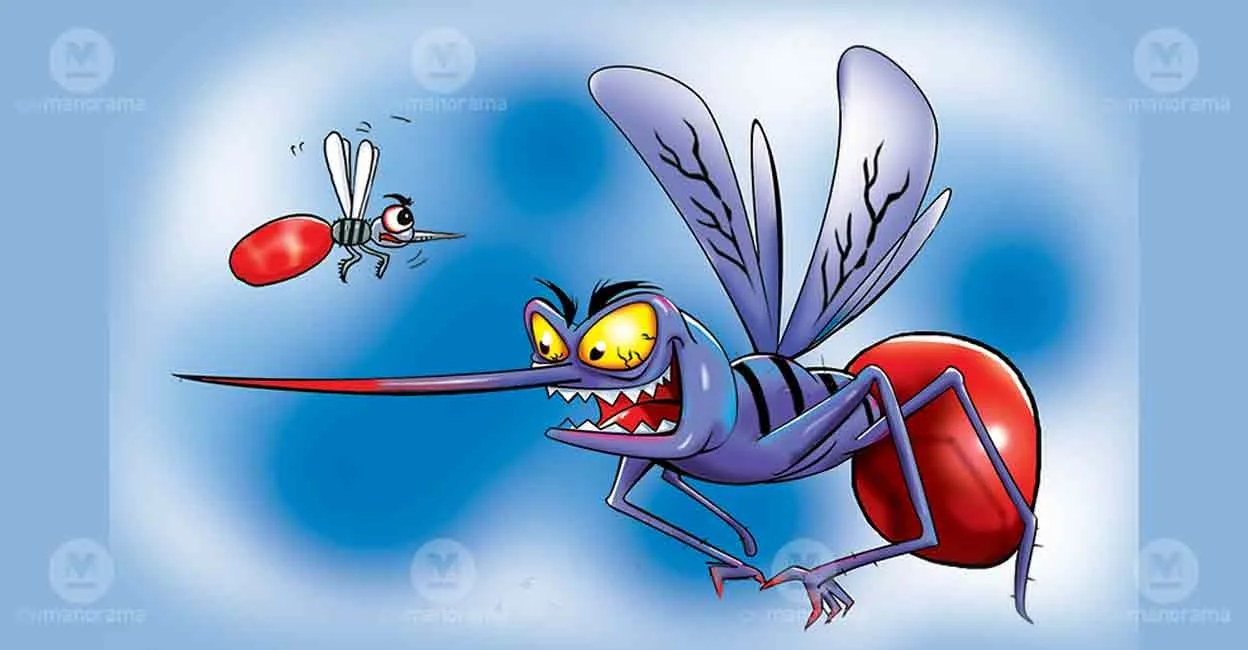
The core utility of this deployment lies in speed and accessibility: a single drone is rated to treat three acres of territory in approximately 25 minutes.

Technical and Financial Parameters
| Component | Status / Detail |
|---|---|
| Funding | Rs 10 crore allocated in the February 2026 budget |
| Methodology | GPS-based mapping for targeted, high-density spraying |
| Operational Goal | Reduce manual exposure and reach inaccessible waterlogged zones |
| Institutional Support | Consultation with Vector Control Research Centre (VCRC), Puducherry |
The initiative represents a shift from traditional labor-heavy manual application to data-driven pest management. By utilizing GPS mapping, the corporation aims to move away from indiscriminate spraying toward a model of precision engineering, targeting mosquito breeding grounds with greater surgical accuracy.

"There are limitations for workers to go to marshy areas and boundaries of canals. Experimental flying of the drones will be held on Saturday," reported sources familiar with the local government’s recent testing phase.
Background: From Budgeting to Deployment
The path to this current state of review began in February 2026, when the UDF-led council presented its budget for the fiscal year. During that session, the corporation earmarked Rs 10 crore specifically for the eradication of vectors through GPS mapping and drone technology.
Read More: Chrome mimeHandler API lets extensions handle file types
The move is framed by officials as a necessary evolution in urban health maintenance, particularly regarding the city’s struggle with waterlogging and stagnant water channels during the monsoon season. By involving the VCRC for technical oversight, the city seeks to validate whether "scientific monitoring" and "natural larva control" can mitigate the public health nuisance that has long plagued the region.
As of today, April 7, 2026, the health committee remains tasked with finalizing the procedural framework for these innovative proposals, moving beyond the experimental phase toward an institutionalized, tech-backed mosquito control policy.