:max_bytes(150000):strip_icc()/AKnightoftheSevenKingdoms-021226-03-e23609775cdd40e5905d2a5cf4d9f12f.jpg)
The recent premiere of A Knight of the Seven Kingdoms featured a complex combat sequence, referred to by creators as the "most bad-ass fight ever." This "Trial of Seven," a rare event within the established lore, was designed to immerse viewers directly into the visceral experience of the battle. However, the execution of this pivotal scene involved deliberate artistic choices aimed at managing production constraints and amplifying audience engagement.
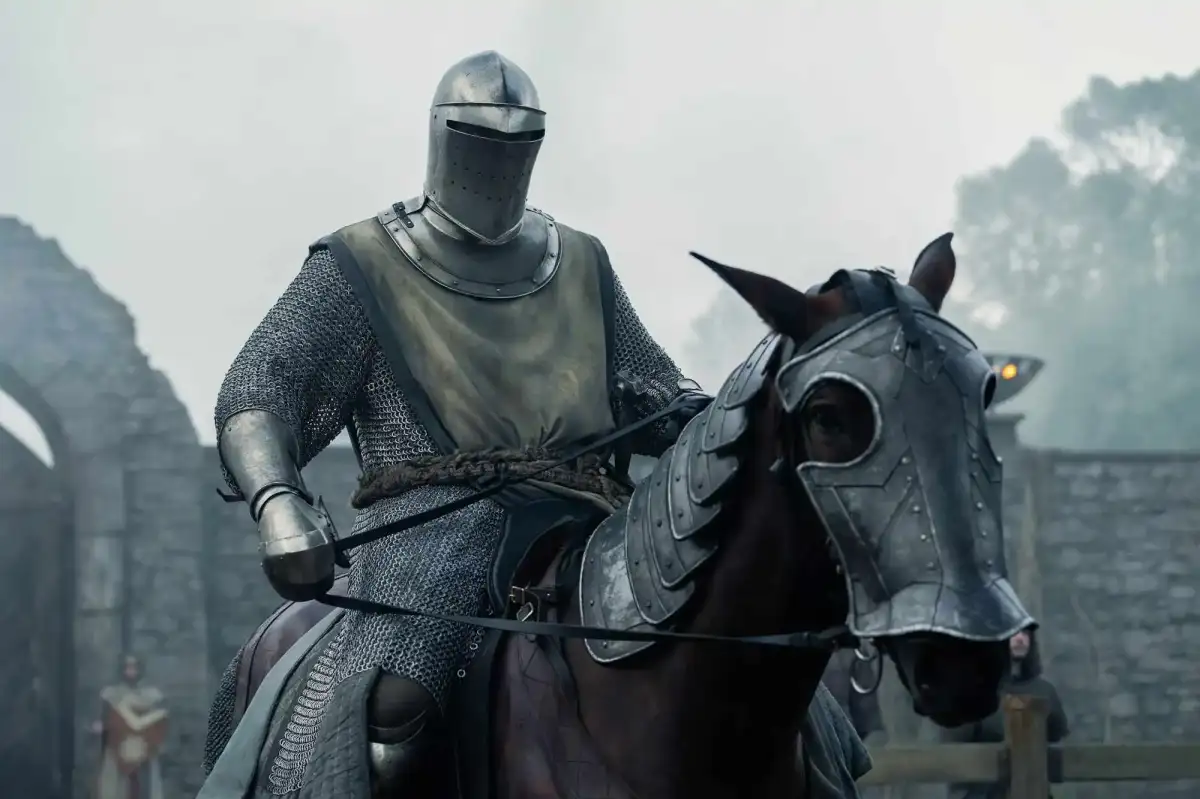
The Trial of Seven: A Narrative Framework
The "Trial of Seven" is a significant plot device introduced in A Knight of the Seven Kingdoms. It serves as a dramatic resolution for disputes, with seven champions representing each side. This particular trial was initiated due to accusations against Ser Duncan the Tall (Dunk), forcing him to defend himself and an innocent party.

Origins of the Trial: The conflict escalates, leading to the decision to conduct a Trial of Seven. This event is noted as only the second time such a trial has occurred in Westeros' history.
Recruiting Champions: Dunk's side sought out allies to meet the required number of combatants. Key figures who eventually joined Dunk's cause include:
Ser Lyonel Baratheon
Ser Humfrey Hardyng
Ser Humfrey Beesbury
Ser Robyn Rhysling
Aerion's Faction: On the opposing side, Prince Aerion Targaryen garnered support from his family and allies:
Prince Maekar Targaryen (Aerion's father)
Prince Daeron Targaryen (Aerion's brother, who reportedly pledged not to actively fight)
Three members of the Kingsguard: Ser Roland Crakehall, Ser Donnel of Duskendale, and Ser Willem Wylde.
Shifting Allegiances: Evidence suggests tactical maneuvering occurred, with Aerion securing Steffon Fossoway to his side by offering a lordship. This act highlights the political undercurrents influencing the trial.
Production Choices: Immersion and Budget
The creators approached the "Trial of Seven" with a deliberate focus on viewer perspective and resource management.
Read More: The Plot Against America Miniseries Discussed in April 2026
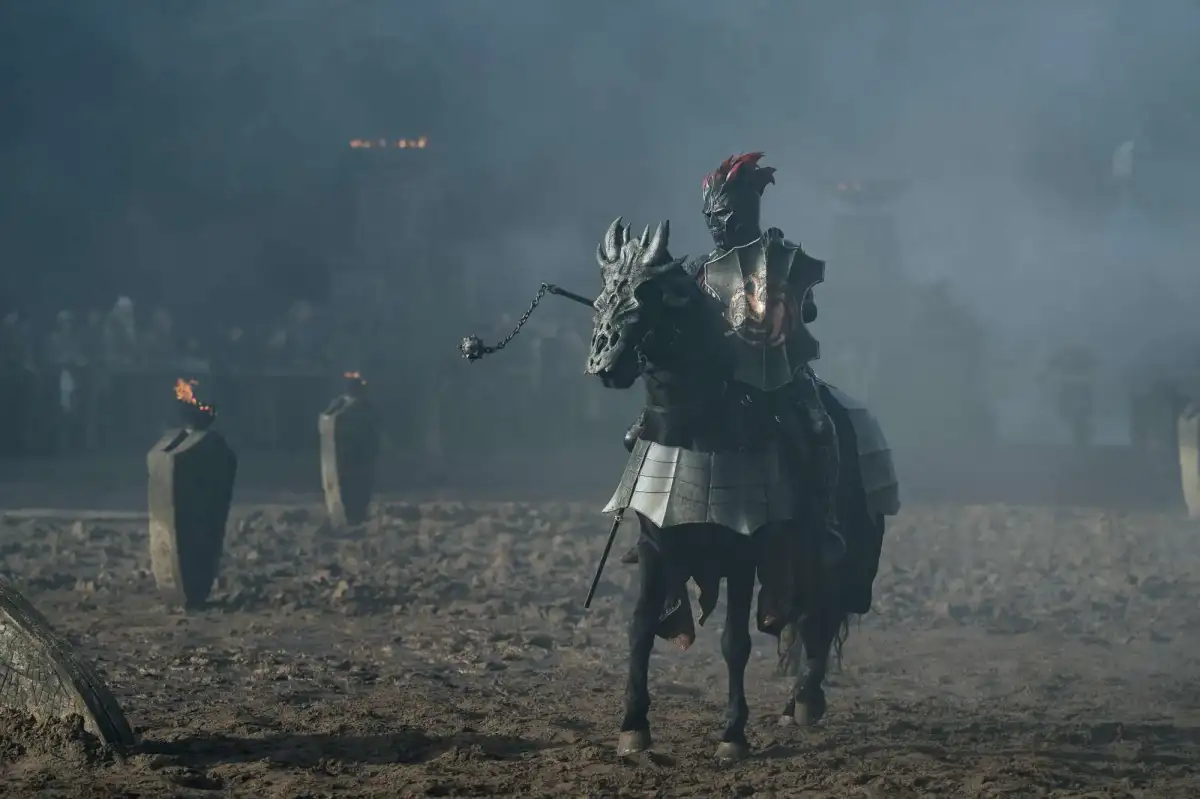
First-Person Perspective: The filming aimed to place the audience directly in Dunk's point of view. This was a conscious decision to direct attention to specific narrative elements, rather than to the scale of the environment.
Resource Management: The show operated with a limited budget, influencing the visual presentation of large-scale events. The decision was made not to depict a massive crowd, a contrast to more elaborate tournament settings.
Atmospheric Effects: The chaotic nature of the fight was embraced. Reports detail the use of mud and simulated rain effects, with hoses used to create a consistent downpour and mud when natural weather patterns shifted. This was to ensure the fight's intended gritty realism.
The Fight's Emotional and Narrative Impact
The combat sequence was designed to elicit a strong emotional response from viewers, mirroring the characters' own intense experiences.

Physicality and Emotion: The scene aimed to make the audience feel the characters' stress and exertion. The description of characters being unable to catch their breath underscores the intended physical toll.
Building Tension: The fate of Dunk during the fight became a central point of suspense. His knockout created a situation where his survival was uncertain, heightening the stakes for his legend and the audience's engagement.
Tragic Outcomes: The "Trial of Seven" was not without loss. The death of Baelor is noted as a particularly heartbreaking conclusion to the episode, despite preceding narrative elements that may have diminished its impact for some viewers due to the inclusion of extensive flashbacks.
Analysis of Key Combatants and Their Roles
The "Trial of Seven" involved a specific set of individuals, each with their own motivations and circumstances.
| Combatant (Dunk's Side) | Combatant (Aerion's Side) | Contextual Note |
|---|---|---|
| Ser Duncan the Tall | Prince Aerion Targaryen | Dunk defended the innocent; Aerion sought to fight for his perceived honor. |
| Ser Lyonel Baratheon | Prince Maekar Targaryen | Baratheon joined Dunk's cause, signaling a stance against Aerion's actions. |
| Ser Humfrey Hardyng | Prince Daeron Targaryen | Hardyng's leg was injured prior to the trial. Daeron reportedly agreed not to participate actively. |
| Ser Humfrey Beesbury | Ser Roland Crakehall | Part of the Kingsguard, a formal component of Aerion's group. |
| Ser Robyn Rhysling | Ser Donnel of Duskendale | Rhysling, described as a "mad knight," joined Dunk despite his prior encounter with Egg. |
| One Unidentified Knight | Ser Willem Wylde | This individual's role or identity remains less detailed in available summaries. |
| One Unidentified Knight | Steffon Fossoway (coerced) | Fossoway was reportedly swayed to Aerion's side through a promised lordship. |
Ser Arlan Pennytree's Legacy: While not directly participating in the Trial of Seven, the memory of Ser Arlan Pennytree profoundly impacted Dunk. His death and the subsequent lack of remembrance by those he served highlighted Dunk's quest to uphold knightly ideals and honor. A scene focusing on Arlan's memory provided significant emotional weight for Dunk.
Steffon's Betrayal: Dunk learned of Steffon Fossoway's betrayal prior to the trial, a detail that adds another layer of conflict and underlines the pressure Dunk faced.
Creator Insights and Intentions
The team behind A Knight of the Seven Kingdoms shared their perspective on the creation of the climactic battle.
Embracing Chaos: The intention was to capture the inherent chaos of such a large-scale, multi-combatant fight. This approach guided the directorial decisions for the sequence.
Focus on Character: The intimate camera work and environmental effects were deliberately employed to highlight character struggles rather than grand spectacle. The aim was to create a raw, immediate experience for the viewer.
Conclusion: A Deliberate Artistic Construction
The "Trial of Seven" sequence in A Knight of the Seven Kingdoms represents a deliberate fusion of narrative necessity, character development, and production realities. The choice to prioritize a visceral, character-driven perspective over immense visual scale, while still employing environmental effects to enhance realism, shaped the scene's reception. The fight's execution, including moments of intense struggle and tragic loss, underscored the show's commitment to exploring the human element within its fantasy setting. The artistic decisions made, from camera angles to atmospheric conditions, were instrumental in conveying the story's core themes of honor, struggle, and the consequences of conflict.
Read More: New Lord of the Rings Film 'Hunt for Gollum' Focuses on Character Mind
Sources:
Polygon: Behind the scenes on A Knight of the Seven Kingdoms 'most bad-ass fight ever'🔗 https://www.polygon.com/knight-of-the-seven-kingdoms-trial-of-seven-behind-the-scenes-interview/
Entertainment Weekly (EW): Trial of Seven: 'A Knight of the Seven Kingdoms' team goes behind that tragic death🔗 https://ew.com/a-knight-of-the-seven-kingdoms-breaks-down-tragic-death-trial-of-seven-11906386
ComicBook.com: A Knight of the Seven Kingdoms Just Had 1 of the Most Epic Game of Thrones Scenes Ever (but With 3 Problems)🔗 https://comicbook.com/tv-shows/feature/a-knight-of-the-seven-kingdoms-just-had-1-of-the-most-epic-game-of-thrones-scenes-ever-but-with-3-problems/
Screen Rant: Every Knight Fighting In A Knight Of The Seven Kingdoms' Trial Of Seven🔗 https://screenrant.com/a-knight-of-the-seven-kingdoms-trial-of-seven-knights-explained/
Town & Country Magazine: ‘A Knight of the Seven Kingdoms’ Just Introduced a New Trial Not Seen Yet in HBO’s ‘Game of Thrones’ Universe🔗 https://www.townandcountrymag.com/leisure/arts-and-culture/a69959497/a-knight-of-the-seven-kingdoms-trial-by-seven-explained/
The Pop Verse: The key moment in HBO's A Knight of the Seven Kingdoms episode 1 isn't a fight; it's a dance [Review]🔗 https://www.thepopverse.com/tv-a-knight-of-the-seven-kingdoms-episode-1-review-peter-claffey-daniel-ings
Entertainment Weekly (EW): How 'A Knight of the Seven Kingdoms' full-frontal scene became Ser Arlan's '1 special thing'🔗 https://ew.com/a-knight-of-the-seven-kingdoms-full-frontal-arlan-pennytree-danny-webb-11888903
CBR: A Knight of the Seven Kingdoms Drops Its Best Battle Mid-Fight for a 20-Minute Flashback🔗 https://www.cbr.com/a-knight-of-the-seven-kingdoms-season-1-episode-5-review/
MovieWeb: 'A Knight of the Seven Kingdoms': Trial of Seven, Explained🔗 https://movieweb.com/a-knight-of-the-seven-kingdoms-trial-of-seven-combat-explained/
Mashable: 'A Knight of the Seven Kingdoms' introduces the trial of 7. Who's on each side?🔗 https://mashable.com/article/a-knight-of-the-seven-kingdoms-trial-of-seven-explainer
The Ringer: ‘A Knight of the Seven Kingdoms’ Episode 4: Ser Duncan’s Champions🔗 https://www.theringer.com/2026/02/06/a-knight-of-the-seven-kingdoms/a-knight-of-the-seven-kingdoms-episode-4-recap-trial-of-seven
The Wrap: 'A Knight of the Seven Kingdoms' Episode 4 Ending Explained: Who Fights for Dunk in the Trial of Seven?🔗 https://www.thewrap.com/creative-content/tv-shows/knight-of-the-seven-kingdoms-episode-4-ending-explained-trial-of-seven/

:max_bytes(150000):strip_icc()/Lord-of-the-Rings-Return-King-Gollum-Joker-Folie-a-Deux-Joaquin-Phoenix-051426-3d5e6d22f6a541e2b4c29e12d8a7948d.jpg)