A Monarchy's Diplomatic Overture Meets a Volatile Presidency
King Charles III and Queen Camilla commenced a four-day state visit to the United States, arriving in Washington, D.C., on April 27, 2026, to underscore the enduring ties between the two nations and to commemorate the 250th anniversary of American independence. The royal couple's arrival marks a significant diplomatic engagement, yet it unfolds against a backdrop of considerable trans-Atlantic strain.
White House Reception and Congressional Address
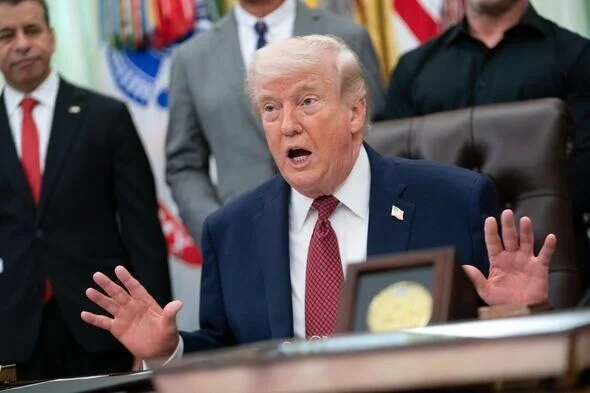
The monarch and his consort were formally welcomed at the White House by President Donald Trump and First Lady Melania Trump. This initial meeting set the stage for a visit that includes significant ceremonial and political engagements. A key event on the itinerary is King Charles' address to a joint session of Congress on April 28th. He will be the second British monarch to address the U.S. legislature, a historically significant occasion. Vice President JD Vance is expected to be in attendance for this address, signaling the administration's attention to the royal visit.
Read More: Trump Extends Iran Ceasefire Due to Iran's Government Issues

The itinerary further includes a garden party at the British ambassador’s residence, a social event designed to foster goodwill. The King, known for his personal interest in beekeeping, is reportedly set to engage with aspects of American civic life.
Trans-Atlantic Tensions and Diplomatic Undercurrents
This royal visit, while framed as a celebration of historical bonds, arrives at a moment characterized by friction in the broader trans-Atlantic relationship. Recent months have seen President Trump publicly express criticisms of Britain, particularly concerning its stance on international military actions. Disagreements, notably over the U.S.-led military operations in Iran, have contributed to a complex diplomatic climate.

Despite these tensions, there is an expressed hope that the King's presence might serve to reinforce the long-standing alliance and potentially ease diplomatic strains. The dynamic between Charles and Trump is complex; while Trump has previously lauded his 2025 state visit to the UK, personal interactions suggest a degree of mutual respect has developed. Rumors persist about adjustments to the guest list for the White House state dinner, possibly influenced by the First Lady, aiming for a more manageable event.
Read More: Thiel's Beliefs Cause Rift Between Vance and Pope Leo XIV
Historical Context and Royal Protocol
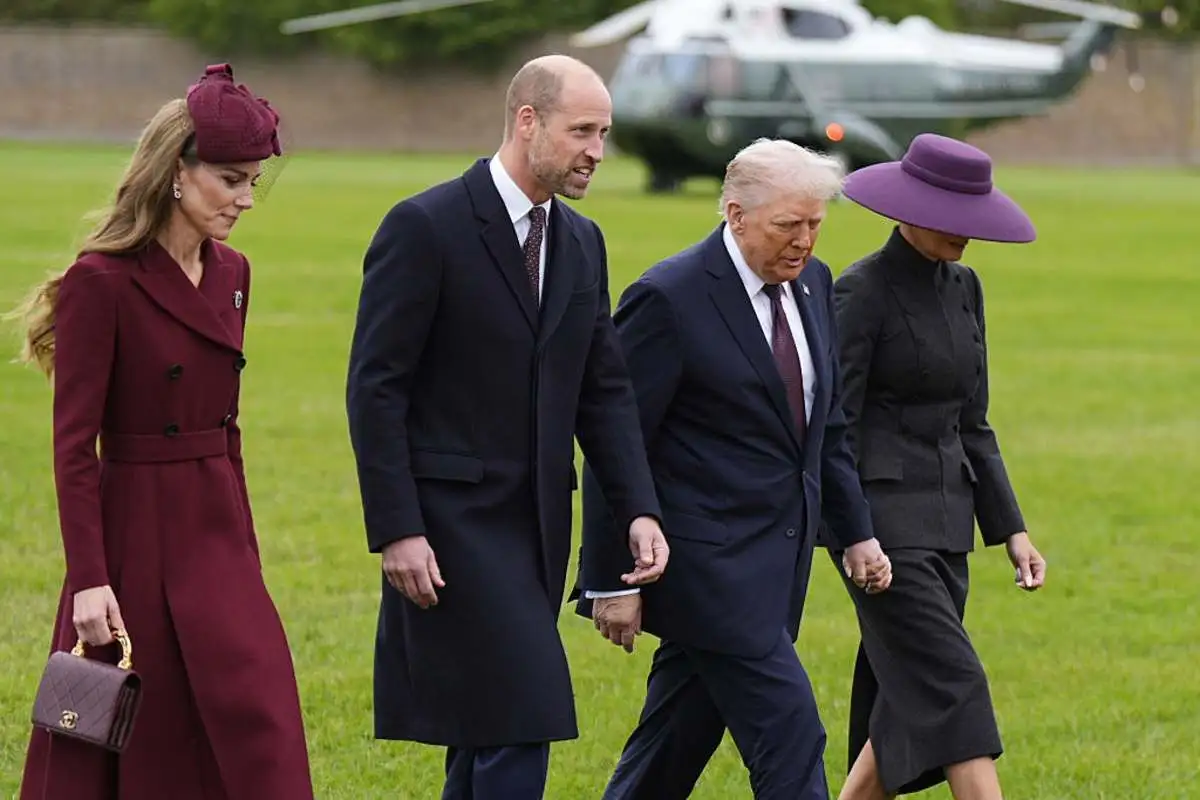
The visit by King Charles III follows President Trump's own state visit to the United Kingdom in September 2025, which was met with significant royal pageantry. That visit, described as a "royal red carpet" event, included a state banquet at Windsor Castle and elaborate ceremonial displays. The planning for state visits involving the British royals is known to be meticulous, with strict adherence to established 'royal protocol' governing everything from formal address to ceremonial courtesies. The complexity of navigating these protocols, especially in the context of the current U.S. administration, adds another layer to the visit's unfolding narrative.
Read More: King Charles US Visit Faces Strain and Security Worries

The King's prior engagement with the U.S. spans 19 visits as Prince of Wales, highlighting a sustained, albeit different, form of diplomatic continuity.
Unanswered Questions and Evolving Norms
The broader implications of the royal visit remain subjects of observation. Questions have been raised regarding the potential for cultural diplomacy to bridge political divides, and whether such traditional displays of soft power can effectively navigate the mercurial nature of contemporary international relations. The visit is unfolding as part of a larger commemoration of the 250th anniversary of American independence.
Recent political events, including broadsides against figures like the Pope, suggest that Washington will be closely watching for any indications of similar challenges to established norms during this royal engagement.
The visit is also occurring amidst domestic political complexities in the UK, evidenced by past personnel decisions regarding ambassadors. The role of symbols and established institutions in a rapidly shifting global landscape is a pertinent question during this period.