

The modern snack landscape is currently occupied by a hybrid form: the Kimcheez-It. This construction merges two pungent, disparate poles—the fermented brine of Korean kimchi and the high-sodium grit of industrial cheddar powder. Recipes emerging from the Washington Post and independent food writers suggest a deliberate move toward "funk" as a primary flavor profile. The core of this cracker consists of 1 cup of kimchi folded into 12 ounces of sharp cheddar, bound by flour and augmented with the neon dust typically found in boxed macaroni.

The Blue Cheese Punctuation
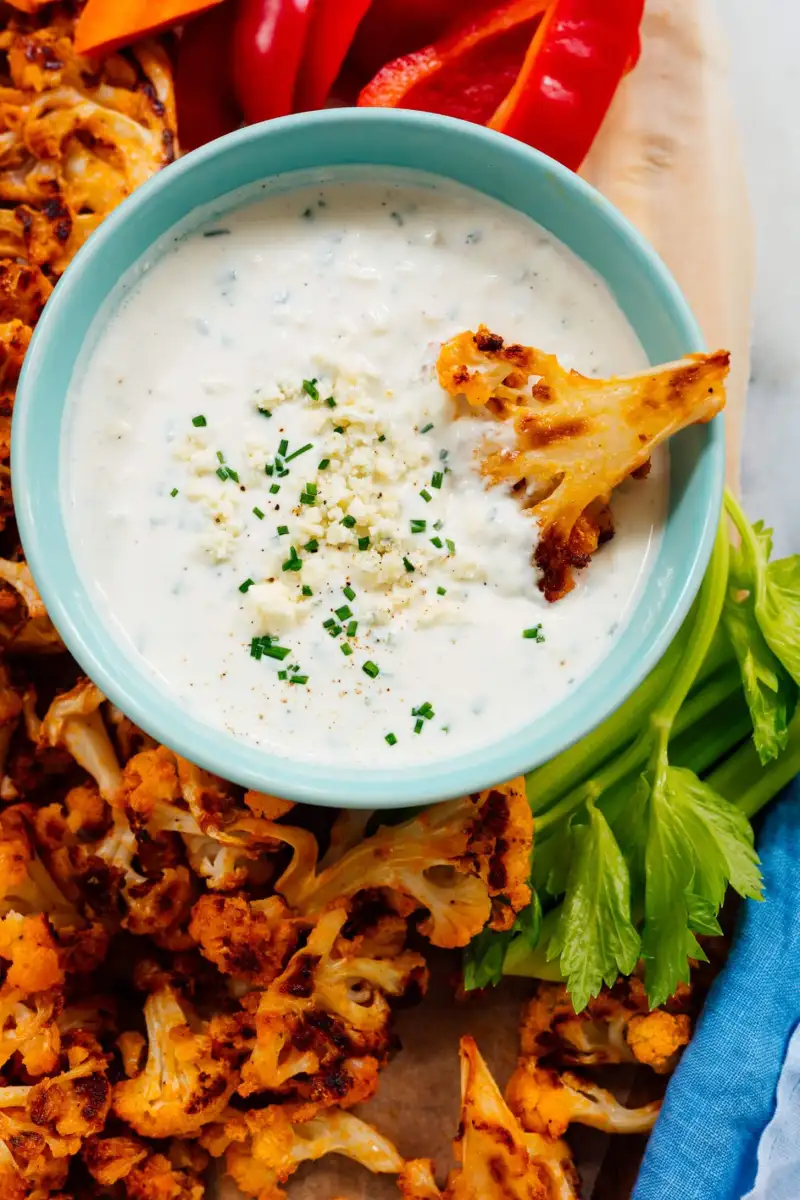
To balance the heat of the cayenne-dusted crackers, a fatty emulsion of blue cheese dip acts as the necessary cooling agent. Unlike the crackers, which require a low-temperature bake (275 degrees, or 250 for convection), the dip relies on a cold slurry of sour cream, vinegar, and heavy crumbles of Stilton or similar mold-ripened dairy.
Read More: Paella Recipe Updates: Bomba Rice and No Stir Rule
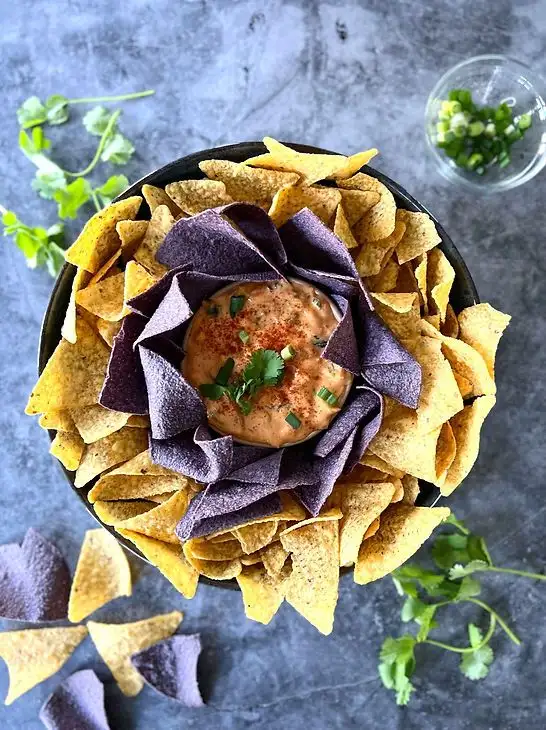
"Use kitchen shears to cut the kimchi directly into the dip so you don’t stain your hands or cutting board." — Alyse Whitney, 'Big Dip Energy'
Technical Specs and Variations
The transition from a 1-inch square to a 2-inch square in recent iterations suggests a preference for heft over delicacy. While some recipes demand homemade kimchi, others admit to the utility of the supermarket shelf.

| Component | Key Material | Function |
|---|---|---|
| Cracker Base | Sharp Cheddar + Flour | Structural fat and protein |
| The "Funk" | Fermented Kimchi | Acidity and moisture |
| Flavor Booster | Cheddar Powder / Cayenne | Artificial saltiness / Heat |
| Dip Emulsion | Kewpie Mayo + Sour Cream | Thick, umami-rich carrier |
| Pungency | Stilton or Gorgonzola | Aromatic contrast |
Powdered Crutch: The reliance on cheddar powder (available via King Arthur or spice specialty stores) highlights the inability of real cheese to provide the specific, concentrated salt-hit of commercial snacks.
Shear Utility: The use of scissors rather than knives reflects a practical avoidance of the permanent orange-red stains characteristic of gochugaru (red pepper flakes).
Stilton Dominance: Higher-end recipes specify "good" blue cheese to fight against the flatness of store-bought mayonnaise.
The Cultural Slurry
The commodification of these flavors is already in motion. Kimcheezies, a New York-based outfit, has branded this intersection as a "gutsy" dip, marketing it as both "eye-opening and nostalgic." It is an attempt to capture the messy, fermented reality of the pantry and sell it back as a premium appetizer. Meanwhile, the blue cheese dip remains a staple of the "Ina Garten" school of hosting—classic, reliable, and slightly removed from the experimental heat of the kimchi-centered versions.
Procedural Context
Most dip iterations require less than 15 minutes of labor, emphasizing "Dip on Demand" over long-form cooking. The cracker, however, remains a technical outlier, requiring a slow-drying process in the oven to achieve the necessary snap. This duality—the quick-mix dip versus the slow-baked, kimchi-infused dough—illustrates the current friction in domestic cooking: a desire for complex, aged flavors achieved through the shortcut of industrial additives.
Read More: Meera Sodha's new spaghetti recipe uses gochujang and mozzarella
:max_bytes(150000):strip_icc()/image-460-7bdc9b0a055246f0b95bfb1b800773ec.jpg)


:max_bytes(150000):strip_icc()/2435672-black-bean-and-corn-quesadillas-Allrecipes-Magazine-1x1-1-2e864f6d676f4645936ff27ca1021db6.jpg)