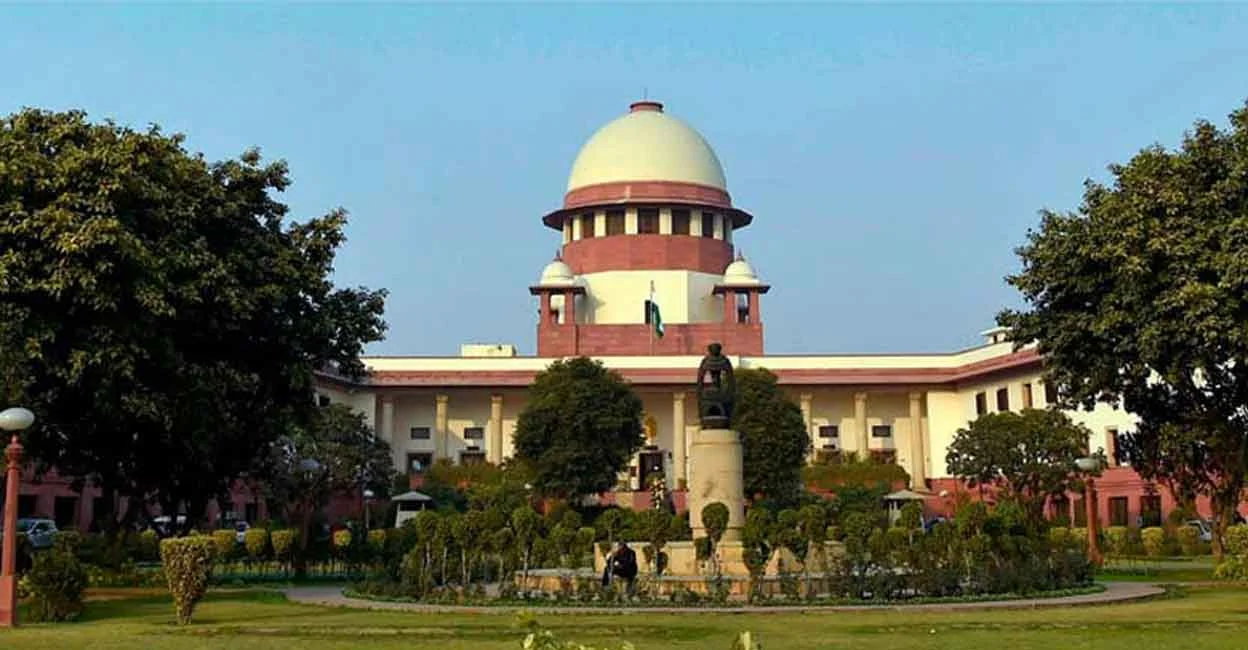
The Kerala government has approached the Supreme Court after the High Court halted a public survey, known as the Nava Keralam citizen outreach program. This move signals a disagreement between the state's executive branch and the judiciary over administrative decisions and the use of public funds. The core of the dispute centers on whether the survey's implementation and funding adhered to established government rules and constitutional provisions.

The Nava Keralam survey was intended to gather public feedback on development and welfare initiatives. However, the Kerala High Court placed it on hold, citing potential violations of the state's Rules of Business and concerns about the use of public money for political purposes. The government argues that the High Court's intervention infringes upon its executive authority and the constitutional balance between different branches of government.
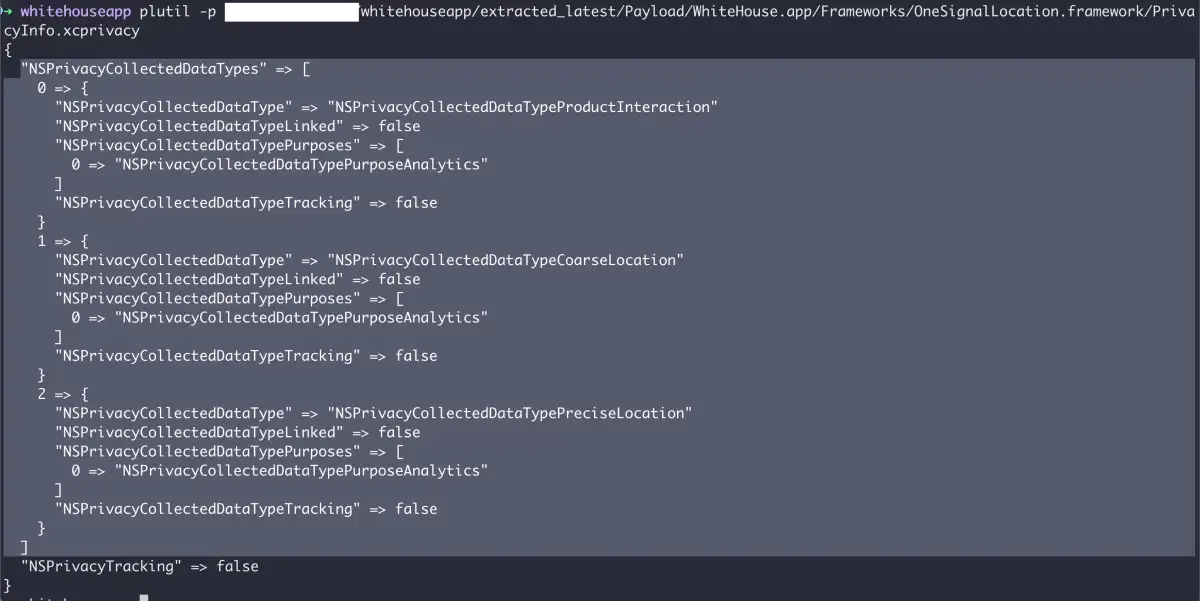
Read More: White House App Shares Data With Russian-Founded Software

Timeline of Events and Key Players
The legal proceedings began when the Kerala High Court ordered a pause on the ongoing 'Nava Kerala Citizens Response Programme.' This action followed a writ petition alleging that the survey's execution contravened the Rules of Business framed under Article 166(3) of the Constitution.

High Court's Intervention: The High Court ruled that the subject matter of the survey, concerning development inputs and welfare scheme evaluation, should fall under specific government departments, not the Information and Public Relations Department. Petitioners argued that allocating ₹20 crore for this purpose was a misuse of public funds, requiring legislative approval.
Government's Appeal: The Kerala government has filed a special leave petition (SLP) in the Supreme Court. They contend that the question of which department should conduct a governmental program is an internal administrative matter, not subject to judicial review. The government also asserts that internal fiscal norms are executive guidelines, not statutory provisions that can invalidate government actions.
Arguments Presented:
Petitioners' Allegations:
The survey's timing, just before assembly elections, and its funding by the state suggested a political motive for the ruling party.
The allocation of ₹20 crore was an alleged diversion of funds, requiring legislative sanction under Articles 202-205 of the Constitution.
Designating the Information and Public Relations Department as the nodal office and allocating funds under 'special PR campaign' was contrary to the Rules of Business.
Government's Defense:
The allocation of funds was an internal administrative matter, not justiciable.
The High Court's interference prejudiced the state's ability to make policy decisions and disturbed the constitutional balance between the executive and judiciary.
Fiscal norms are executive guidelines without statutory force and do not invalidate government actions.
The Information and Public Relations Department is competent to implement such programs.
Evidence and Documentation
The legal arguments hinge on the interpretation of constitutional articles and government procedural rules:

Article 166(3) of the Constitution: This article pertains to the Rules of Business framed for the conduct of government business. The High Court's decision was based on allegations that the survey violated these rules.
Kerala Budget Manual and Internal Fiscal Norms: The government argued that these are executive guidelines, not mandatory provisions that could invalidate their actions.
Articles 202 to 205 of the Constitution: Petitioners contended that the allocation of ₹20 crore required legislative sanction under these articles, implying it was a diversion of funds.
Rules of Business: The High Court found that the Information and Public Relations Department was not the appropriate authority for conducting the survey, suggesting the Planning and Economic Affairs Department or the Programme Implementation, Evaluation and Monitoring Department should handle it.
Departmental Authority and Administrative Matters
A key point of contention is which government department holds the authority to conduct the Nava Keralam survey.
High Court's View: The High Court observed that the Information and Public Relations Department was not the correct department for the survey's subject matter, which it deemed fell within the purview of other departments like planning or program implementation.
Government's Stance: The Kerala government asserts that the designation of a department for a particular program is an internal administrative matter, solely within the state government's domain and not a matter for judicial review. They believe the High Court overstepped by interfering in this executive prerogative.
Use of Public Funds and Political Intent
The allocation of ₹20 crore for the survey has drawn scrutiny regarding its legitimacy and purpose.
Allegations of Fund Misuse: Petitioners alleged that the ₹20 crore allocation constituted a diversion or misuse of public funds. They argued that such allocations require prior legislative authorization under Articles 202-205 of the Constitution.
Concerns of Political Motivation: The survey's timing, occurring shortly before assembly elections, led to accusations that it was a door-to-door political outreach for the ruling front, funded by public money. The High Court appeared to concur with these concerns, observing that the designation and funding were contrary to the Rules of Business.
Government's Rebuttal: The government maintains that the use of funds was for a legitimate government program and that internal fiscal norms, not statutory law, govern such allocations.
Constitutional Balance and Judicial Overreach
The Kerala government's appeal to the Supreme Court highlights its concerns about the division of powers between the executive and judiciary.
Government's Argument: The government argues that the High Court's interference in its governance and development outreach programs has significantly hampered its ability to make policy decisions involving public expenditure. They believe this action disturbs the constitutional balance between the executive and the judiciary.
Executive Prerogative: The government's petition emphasizes that the power to implement governance and development outreach programs is an essential executive function. They seek to protect this prerogative from what they perceive as judicial overreach.
Conclusion and Next Steps
The Kerala government's move to the Supreme Court signifies a fundamental disagreement with the High Court's decision regarding the Nava Keralam survey. The Supreme Court will now examine whether the state government's administrative decisions, particularly concerning departmental responsibilities and the allocation of funds for public programs, were conducted within the bounds of the Constitution and relevant rules. The case will likely delve into the extent of judicial review permissible over executive actions and the interpretation of the Rules of Business in implementing government initiatives.
Read More: Ontario Police Charge Drivers With Impaired Operation Of Lawn Tractors On Public Roads In 2025
The Supreme Court's ruling will have implications for the executive's autonomy in planning and executing public programs and will clarify the boundaries of judicial scrutiny in such matters.
Sources Used: