


Kennedys, a prominent City of London law firm, is under fire following accusations of a pervasive "seedy culture" marked by widespread sexual harassment and inappropriate conduct involving employees and clients. Senior partner John Bruce acknowledged "allegations of both bullying and sexual harassment" during a recent global conference call with partners, indicating a growing pattern of misconduct within the firm. This situation unfolds against a backdrop of other high-profile sexual misconduct scandals that have troubled the legal industry.

The firm's internal structure, featuring two distinct tiers of partnership—Tier A and Tier B—is cited as a potential factor contributing to the problem, with claims that certain perpetrators are deemed "untouchable" due to their senior positions. This two-tier system is believed to foster a disciplinary imbalance that shields those at the top. An incident described involved a social meetup two months ago where "drunken Kennedys employees" were reportedly "touchy-feely" with influential clients, highlighting a breakdown in professional conduct at client-facing events.

While Kennedys states its commitment to a "respectful and high-performing culture" with clear expectations for all its 341 partners and 3,000 staff, the recent disclosures suggest a significant gap between policy and practice.

Broader Industry Concerns
The issues at Kennedys are not isolated incidents within the legal sector. Several major accounting firms have disclosed partner departures linked to inappropriate behaviour. For instance, PwC dismissed five partners over three years, while KPMG saw seven partners leave in four years. EY reported five partner departures in four years for conduct including sexual harassment and bullying. Deloitte revealed that 20 partners were terminated over four years for inappropriate actions. In contrast, the "Magic Circle" firms—Allen & Overy, Clifford Chance, Slaughter and May, Freshfields Bruckhaus Deringer, and Linklaters—have remained notably reticent regarding figures of partners leaving due to misconduct.
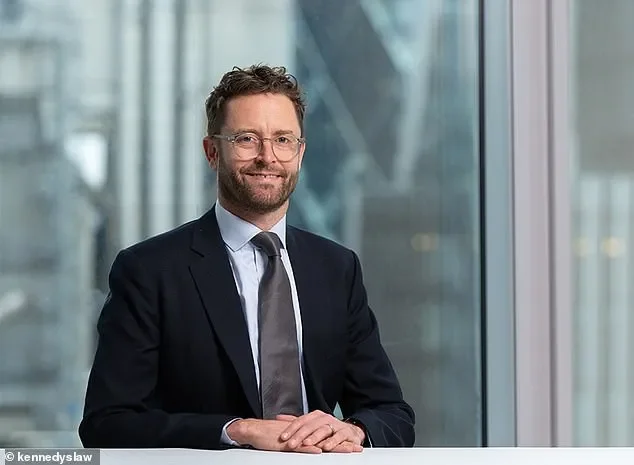
This trend extends to individual cases, such as that of Ryan Beckwith, a former senior lawyer at Freshfields Bruckhaus Deringer LLP. Beckwith resigned after a disciplinary panel ruled he should have been aware of professional boundaries when engaging in sexual activity with a "heavily intoxicated" junior colleague. Despite facing a £35,000 fine and substantial court costs, he was permitted to continue practising law, a decision that drew attention amid the wider '#MeToo' movement.
The legal landscape has seen increased awareness and action surrounding sexual harassment, with firms and legal bodies grappling with how to address such issues effectively. Resources for legal recourse and understanding sexual harassment claims are available, particularly in major legal centers like New York City, where specialized law groups offer guidance to employees facing such challenges. Efforts to cultivate respectful and inclusive workplaces through prevention programs and clear reporting mechanisms are seen as crucial in combating harassment.