

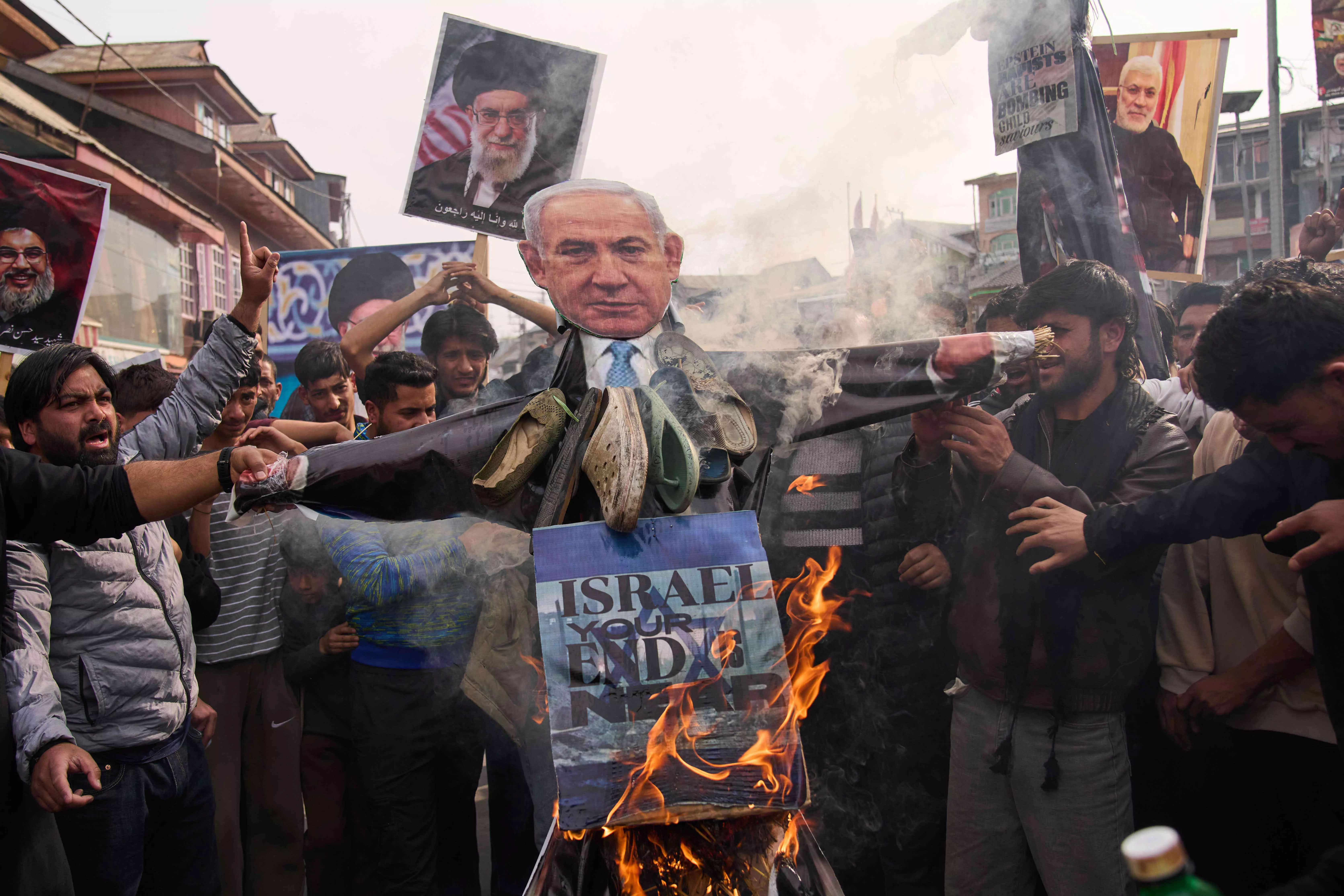
SRINAGAR - After a six-day interlude marked by restrictions, life in the Kashmir Valley is ostensibly returning to its regular cadence. Authorities have begun lifting barriers that had been erected, allowing for the resumption of business activities and the unimpeded movement of vehicles. This shift follows a period of heightened security measures that coincided with widespread mourning and protests subsequent to the death of a prominent Iranian leader.
The lifting of restrictions, observed across Srinagar, Budgam, and Baramulla, has seen concertina wires removed from roads and lanes, facilitating the smooth flow of traffic. Official statements suggest a deliberate operational posture, with the Director General of Police, Nalin Prabhat, emphasizing a continued "sustained pressure" on "anti-national elements" and calling for intensified operations against terrorists, particularly in south Kashmir. His review of security measures in Pulwama, Awantipora, and Shopian underscores a focus on counter-terrorism efforts and broader law and order concerns, including a drive against "drugs and crime."
Read More: Kristi Noem questioned on Trump ads at House hearing in Washington D.C.

Markets and shops have reportedly reopened, with business owners noting a return of customers. Public and private transport are operating, and pedestrian movement has been observed in commercial centers. The restoration of mobile internet and prepaid services also signals a move back towards routine operations. However, educational institutions are slated to remain closed until March 9.
The restrictions were initially put in place following widespread protests and expressions of solidarity across Jammu and Kashmir and Ladakh, stemming from the reported demise of Iran's Supreme Leader, Ayatollah Syed Ali Khamenei, in what some reports attribute to a joint U.S.–Israel air strike. Officials cited the need to maintain peace and manage public gatherings as the rationale for the imposed curbs, which were gradually withdrawn after several days of perceived calm, including peaceful Friday prayers.
Read More: Telangana High Court Allows Woman With 46XY Chromosomes To Use Surrogacy
While official narratives point to a return to normalcy and operational successes against perceived threats, the withdrawal of security measures and the subsequent resumption of daily life paint a picture of a region navigating a delicate balance. The reported emphasis on intensified crackdowns and operational drives suggests that the period of quiet may be viewed as a temporary lull, with a continued focus on security apparatus and its assertion over the populace.