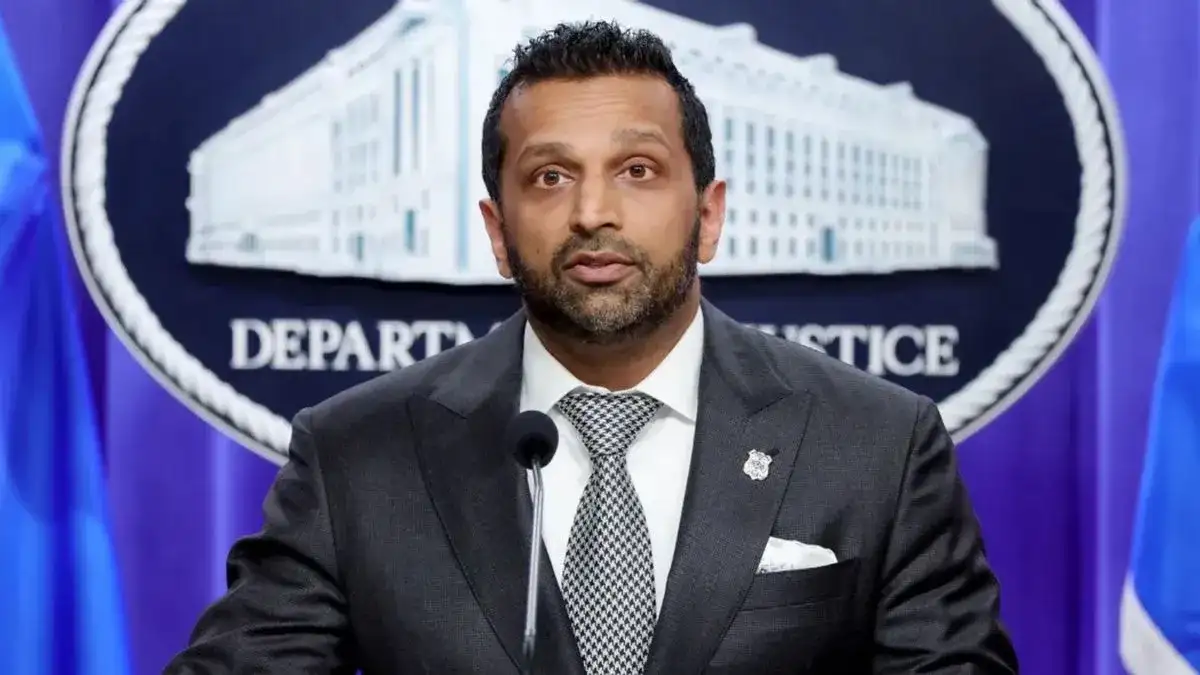
Internal Reckoning or External Attack?
Recent reports have cast a harsh spotlight on FBI Director Kash Patel, detailing allegations of excessive drinking, unexplained absences, and the surprising discovery of a personal, branded bourbon collection distributed during official FBI business. These revelations come as Patel's tenure, marked by accusations of sharing inaccurate information on significant cases, faces increased pressure, exacerbated by reported dissatisfaction from President Trump.
Patel has vehemently denied the allegations, framing them as a smear campaign and taking legal action against The Atlantic, the publication that detailed the claims. The magazine, however, stands by its reporting, citing over two dozen sources, including unnamed current and former FBI officials.

A Pattern of Controversy?
The most recent reporting from The Atlantic outlines multiple episodes described as "freak-outs" and highlights concerns among colleagues about Patel's alleged alcohol use, suggesting it has been a persistent issue. Sources within the FBI have voiced worries that Patel's behavior could pose a threat to public safety and national security, leading to rescheduled meetings and briefings.
Read More: Taiwan Holds Nantou County Drills to Prepare for State Collapse
Further complicating matters, news has emerged regarding Patel's distribution of his own branded bourbon while on duty. While a spokesperson asserts that Patel adheres to ethical guidelines and covers personal gifts, the practice itself has raised eyebrows, particularly in light of the broader drinking allegations.

Beyond recent events, a 2001 incident involving an arrest for public urination has resurfaced, a detail Patel's team confirmed was disclosed during his Senate confirmation. This history adds another layer to the ongoing scrutiny.
Legal Battles and Political Loyalty
Patel's response has been a swift legal counteroffensive. He filed a lawsuit against The Atlantic, accusing the magazine of fabricating allegations to damage his reputation and force him out of office. The magazine, in turn, has vowed to "vigorously defend" its journalists and reporting.
This saga unfolds against a backdrop of Patel's known loyalty to President Trump, a factor that has previously drawn criticism, with Democrats alleging QAnon affiliations and questions arising about his involvement in matters concerning Trump's records. The White House has remained largely silent on the specifics of the allegations, though an FBI spokesperson has publicly defended Patel, calling him a "critical player on the Administration’s law and order team."
Read More: FBI Analysts Review Georgia 2020 Election Data in Fulton County