Juventus endured a frustrating 1-1 draw against Sassuolo, a result that left manager Luciano Spalletti lamenting missed opportunities and a chaotic penalty situation. The team now faces a persistent issue with converting spot-kicks, having failed on three consecutive occasions in Serie A.
The club's repeated penalty failures, coupled with Spalletti's comments about the decision-making process, suggest a deeper disarray in critical match moments. The manager's remarks indicate a lack of clear hierarchy or established protocol when it comes to taking penalties, leading to a seemingly unmanaged situation on the field.
Penalty Debacle Highlights Deeper Issues
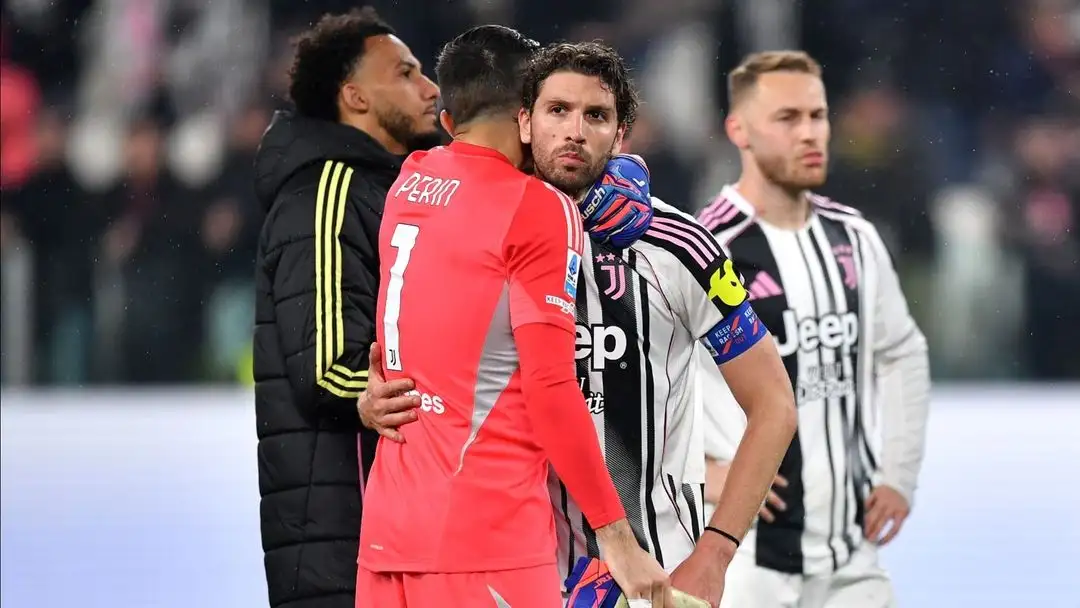
The draw against Sassuolo saw another penalty miss, this time by Manuel Locatelli. This marks the third straight Serie A game where Juventus has failed to convert from the spot, with previous misses attributed to Kenan Yildiz and Jonathan David. Spalletti’s explanation of the penalty decision against Sassuolo revealed a scene of confusion, where he claimed Yildiz expressed a desire to take the penalty, yet Locatelli ultimately stepped up.
Read More: Man Utd Stalls Lewis Hall Transfer to Prioritize Midfield Signings
"He told me he would take it. I told him that if he wanted to take it, he could, because he’s the designated penalty taker."
Spalletti further elaborated on the perceived chaos surrounding penalty duties. He stated that when Locatelli was asked about taking the kick, he responded, "I’ll take it." The manager expressed exasperation, suggesting the situation was becoming untenable:
"This is a complete mess: you tell us what to do, you tell us, otherwise we’ll end up in a madhouse, we’ll all end up in a madhouse."
This indicates a recurring problem, as previous penalty misses by other players also prompted questions and scrutiny. Spalletti appeared to be attempting to preemptively address such queries by letting Yildiz take the penalty if he insisted.
Yildiz's Form and Substitution Queries
Despite the penalty mishap, Kenan Yildiz did score Juventus's lone goal in the match, bringing his season tally to double figures. This achievement makes him the first non-Italian player under 21 to reach double digits in Serie A for the club. However, Spalletti also addressed his second-half substitutions, explaining the introduction of Arkadiusz Milik and Dusan Vlahovic over Jonathan David and Lois Openda, though the reasoning behind these specific choices remains somewhat opaque.
Read More: AC Milan transfer news April 2026 Ruben Amorim targets new players
Missed Opportunity for Table Advancement
The draw against Sassuolo meant Juventus missed a crucial chance to move into fourth place in the league standings. The team created chances but ultimately failed to capitalize, a point Spalletti reiterated:
"When you do not execute the chances you create, you pay for that eventually."
The missed opportunity to secure a victory against a team perceived to be defensively positioned deep in their own half further compounds the frustration. Spalletti emphasized the need for his team to be more decisive in finishing their opportunities.
Juventus's Penalty Woes This Season
Juventus now shares the unwanted distinction of having missed the most penalties in Serie A this season, alongside Como and Genoa, with three failed attempts. The sequence of misses, involving different players, points to a broader struggle with composure and execution from the penalty spot. The manager’s frustration, bordering on desperation, highlights a leadership vacuum or a breakdown in established procedures for such critical moments.
Read More: FIFA Moves Mexico vs England Match 6 Hours Earlier
Background
Luciano Spalletti took the helm at Juventus with expectations of restoring the club to its former glory. The team's performance against Sassuolo, marked by a missed opportunity for a higher league position and a continuing penalty-taking quandary, suggests the managerial transition has yet to fully resolve underlying issues. The club's pursuit of transfer targets, as indicated by tangential reports, further illustrates a broader strategic focus on team composition, yet the immediate concerns revolve around on-field execution and decision-making clarity.