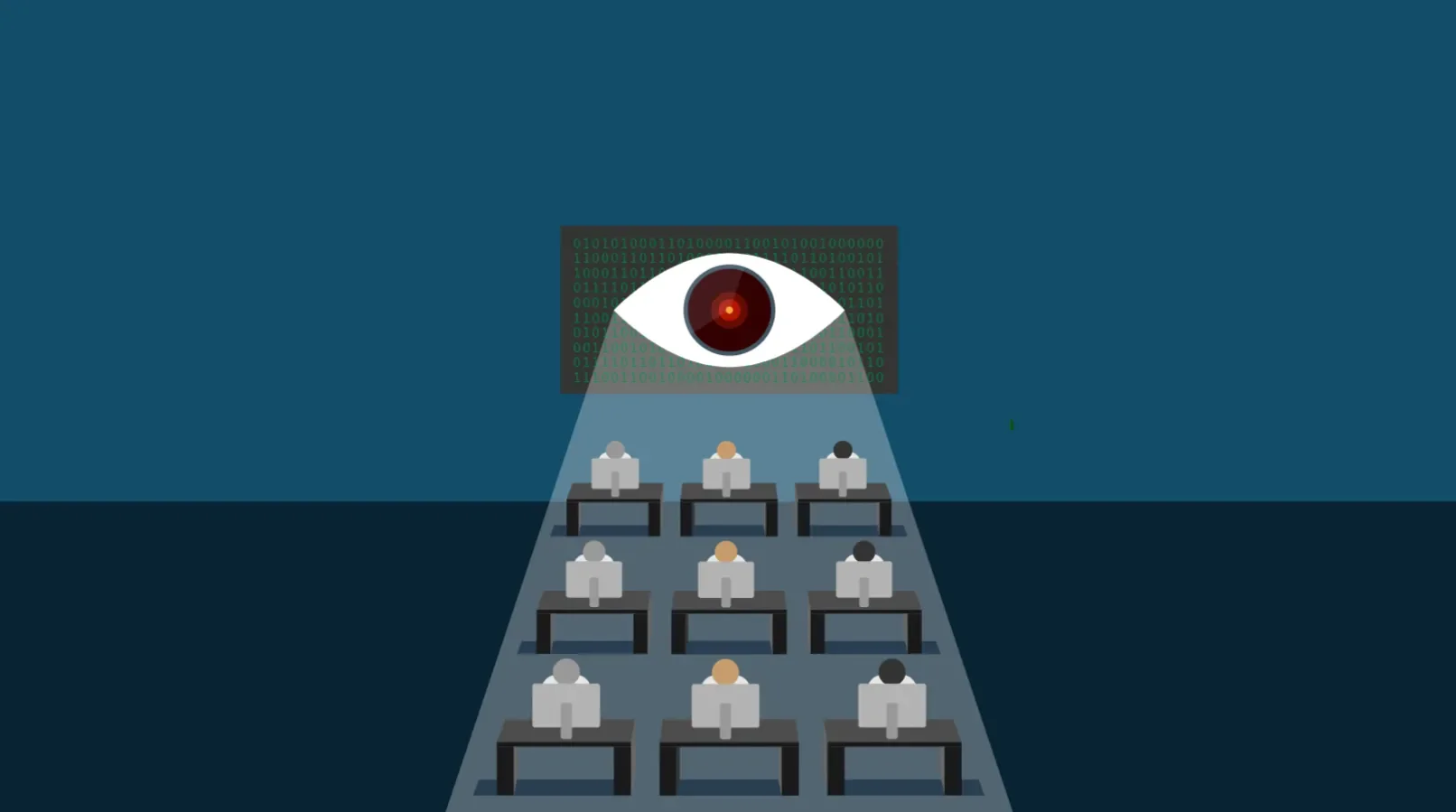
Heat and motion sensors have been installed under desks at various Justice Canada offices since 2023, a move that has raised concerns among employees and a union about potential monitoring of attendance. While the department states the sensors are solely for planning workplace use, staff and a labor lawyer express skepticism, suggesting the data could be repurposed.
The Justice Department has expanded its deployment of heat and motion sensors beneath employees' desks. These devices, first introduced in 2023, are now appearing in more Justice Canada offices. Officials maintain that the sensors are used only to understand how workspaces are being utilized, not to track individual staff attendance. However, this explanation has fueled apprehension among employees and their representatives, who fear the technology could eventually be used to enforce return-to-office mandates.
Sensors and Workplace Planning
The Justice Department asserts that the sensors are part of an effort to better plan office space by understanding usage patterns.
Read More: Acting DNI Pulte Fires Dozens of Intelligence Officials Starting Thursday
Purpose Stated: The sensors are intended to track workplace use for planning objectives, as confirmed by a Justice Canada spokesperson and a related memo.
Employee Interpretation: A significant portion of Department of Justice employees perceive these sensors as a potential tool to monitor adherence to the government's return-to-office policy.
Employee and Union Concerns
The introduction of these sensors has generated unease and distrust among Justice Department staff and their union representatives.
"Creepy" Factor: Employees have described the presence of the sensors under their desks as "creepy," indicating a feeling of being watched or unduly monitored.
Lack of Transparency: One report highlighted instances where employees were not informed about the installation of sensors under their desks, contributing to a sense of unease and distrust.
Labor Lawyer Skepticism: Veteran labor lawyer Marc Boudreau has voiced doubt that the data collected by these sensors is exclusively for planning purposes, suggesting it could indeed be used to track office attendance.
Technology's Role in Workplace Monitoring
The debate around these sensors touches upon broader issues of workplace surveillance and employee privacy.
Micro-management Potential: Systems like these can offer detailed insights into employee activities, from email composition and meeting duration to typing speed and actual time spent at a keyboard. Grit Munk, head of digitalization policy at IDA, notes that such micro-management can paint a precise picture of performance but also breeds distrust.
Data Privacy (GDPR): The applicability of data protection regulations, such as GDPR, to employee data collected at work is also a pertinent consideration.
Manufacturer Claims: Companies producing these sensors, like Spica Technologies, emphasize that their occupancy sensors monitor spaces, not individuals, and are designed for creating "smarter, more sustainable workplaces" rather than for surveillance. They clarify that these sensors do not track individual employees.
Government's Push for Office Return
The deployment of these sensors by the Justice Department occurs within a larger context of government efforts to bring civil servants back to physical offices following pandemic-related restrictions.
Cabinet Office Initiative: Since February, departments have been collecting attendance data as part of a push from the Cabinet Office to increase the number of civil servants returning to offices.
Alternative Data Collection Methods: Previously, government departments have used methods such as Wi-Fi/computer logins, swipe card data, desk booking systems, and manual counts to gather attendance information.
Ministry of Justice Spending: The Ministry of Justice, in particular, entered into a £4 million deal for sensors intended to measure office occupancy.
Expert Analysis on Sensor Data
The precise nature and intended use of the data collected by these sensors remain a point of contention.
"The sensors must be capable of reporting whether desks, touchdown spaces and meeting rooms and occupied or not… [and] recording the number of people entering and leaving an enclosed work area – such as a floor of a building – and be able to send alerts when predefined occupancy levels are reached.” - Quoted from a public technology editor, describing sensor capabilities in the context of a Ministry of Justice deal.
While manufacturers state sensors focus on space utilization, critics like labor lawyer Marc Boudreau question if the collected data is truly limited to planning purposes.
The distinction between monitoring space occupancy and monitoring individual attendance is a key element in the ongoing discussion.
Conclusion and Implications
The Justice Department's increasing use of heat and motion sensors under employee desks presents a complex situation. Officials maintain the sensors are for operational planning, aiming to optimize workspace utilization. However, employees and labor representatives express significant concerns about privacy and the potential for these tools to be used for attendance monitoring, particularly in light of broader government efforts to encourage a return to office work. The discrepancy between the department's stated intent and employee perceptions fuels distrust.
Read More: TCS Nashik Employee Faces Religious Coercion Claims
Further clarification is needed on:
The exact data points collected by the sensors.
The specific protocols for data storage, access, and retention.
Formal assurances that this data will not be used for individual performance evaluation or attendance tracking, beyond what is strictly necessary for space planning.
The situation underscores a wider dialogue on the balance between efficient workplace management and employee privacy in the evolving nature of work.
Sources
National Post: Heat and motion sensors are showing up under Justice Department desks. Employees say it's 'creepy' - https://nationalpost.com/news/politics/heat-and-motion-sensors-are-showing-up-under-justice-department-desks-employees-say-its-creepy
Civil Service World: MoJ leads £4m deal on heat and motion sensors to measure office occupancy - https://www.civilserviceworld.com/professions/article/moj-spends-4m-on-heat-and-motion-sensors-to-measure-office-occupancy
IDA: Employees were not informed about sensors under the desk - https://ida.dk/en/career-and-legal-advice/workplace-surveillance/employees-were-not-informed-about-sensors-under-the-desk
Spica Technologies: Are Workplace Sensors Really Tracking Us? | Spica Technologies - https://www.spicatech.co.uk/2025/01/22/are-workplace-sensors-really-tracking-us/
sensor.wiki: Heat Sensor Under Desk: 2026 Guide to Occupancy Detection & ROI - https://sensor.wiki/heat-sensor-under-desk/
MyBroadband Forum: Barclays staff outraged at discovery of motion sensors under their desks - https://mybroadband.co.za/forum/threads/barclays-staff-outraged-at-discovery-of-motion-sensors-under-their-desks.906712/