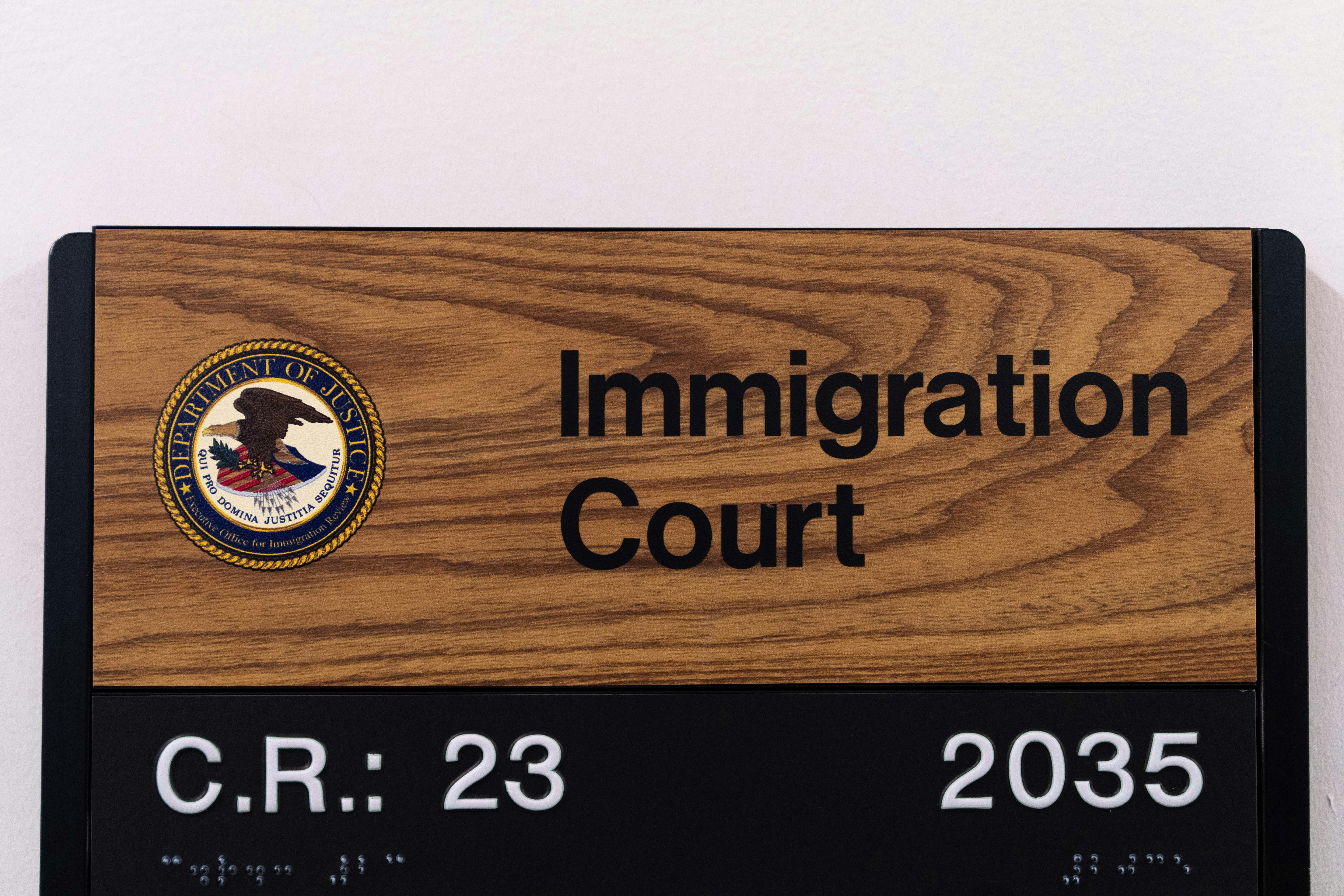
Melissa Isaak, a recent appointee to the federal immigration bench under the Trump administration, finds herself at the center of intense scrutiny. Reports have surfaced detailing past public remarks made by Isaak, including deeply controversial statements characterizing certain women as merely a 'warm, wet hole,' with their value solely linked to sexual function. This characterization stands in stark contrast to her depiction of 'real women' as valuable assets to men.
The controversy has ignited a broader debate concerning the qualifications and ethical standards for individuals placed in federal judicial positions. Critics are questioning the process by which such appointments are made, suggesting a trend towards politicization that could erode public trust in federal institutions. The emergence of this issue has amplified existing concerns about the integrity of the immigration court system and the broader judiciary.
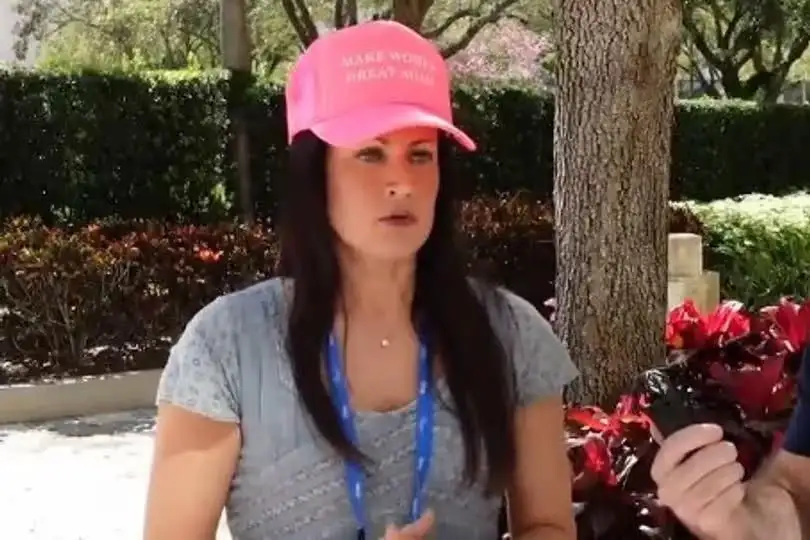
Background on Isaak's Legal Career
Isaak's professional background includes work as a divorce attorney, specifically identifying herself as a 'divorce attorney for men.' Beyond this specialization, her legal history reveals involvement in high-profile, non-divorce related cases. Notably, she served as a defense attorney for several individuals implicated in the January 6th Capitol events, though she later withdrew from two of those cases. Additionally, Isaak was part of the legal team that assisted Alabama Republican Roy Moore in his attempt to dismiss a defamation suit brought by a woman who accused him of sexual assault when she was a minor. An appeals court recently overturned Moore's substantial win against his accuser in that case.
Read More: National Trust Continues Lawsuit Against White House Ballroom Project
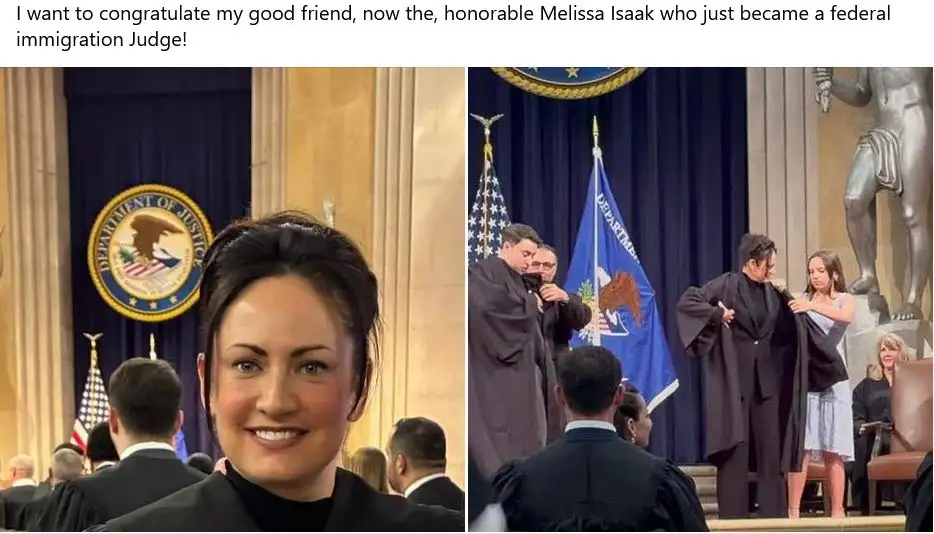
Isaak's appointment raises questions regarding her direct experience within immigration law, with reports indicating a lack of prior experience in immigration courts. The discourse surrounding her appointment extends beyond her past comments, delving into the implications of her judicial selection on public perception and the perceived impartiality of the courts.