:max_bytes(150000):strip_icc():focal(665x0:667x2)/john-sterling-041924-3-094c74c3ae144d5db8d775c91ebc4eb0.jpg)
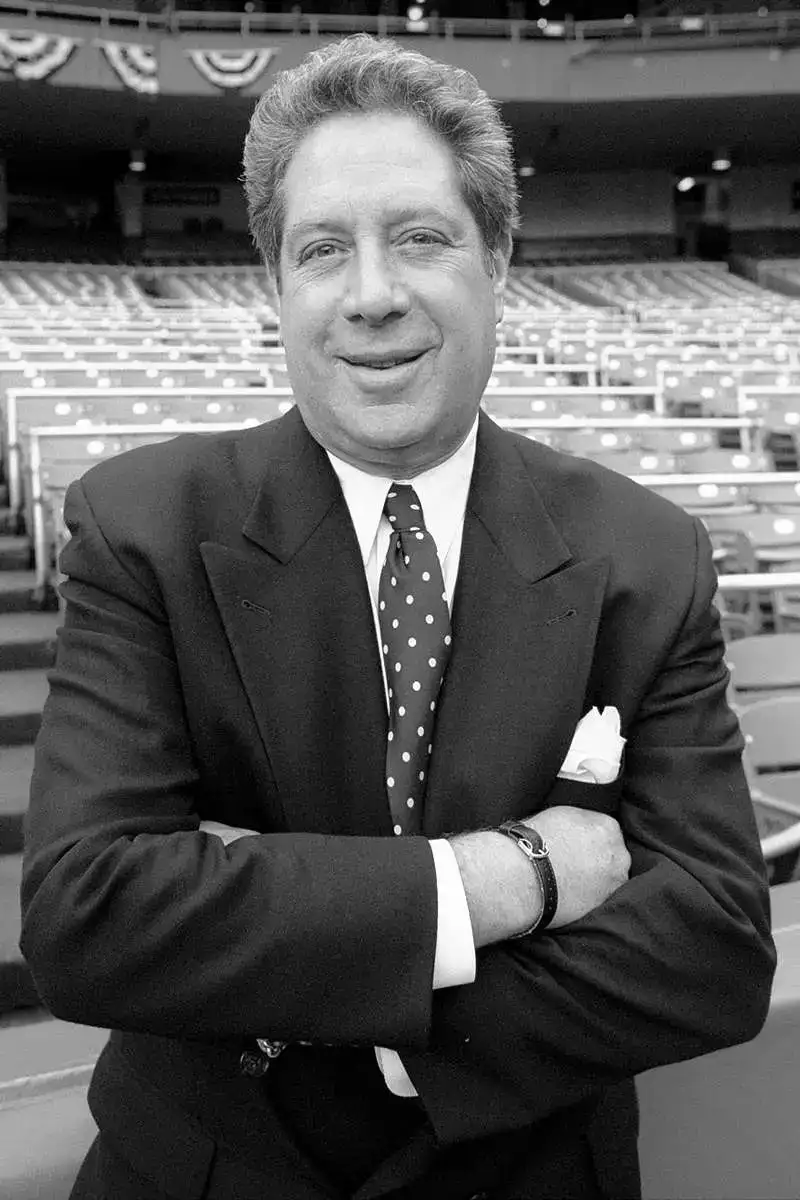
John Sterling, the unmistakable radio voice that soundtracked decades of New York Yankees baseball, has died at 87 years old. The news, confirmed by his longtime employer WFAN and the New York Yankees, has reverberated through the sports world. Sterling’s death marks the end of an era for fans who grew up with his dramatic calls and singular broadcasting style.
Sterling’s career, spanning parts of 36 seasons, was defined by a theatrical and unapologetic approach to play-by-play, transforming routine moments into memorable radio events. His health had faltered in recent years, leading to a lighter workload before he abruptly ended his on-air career on April 15, 2026. The Yankees held an on-field ceremony in his honor shortly after.

His distinctive voice was as much a part of the Yankees' identity as pinstripes. Whether celebrating a triumph or lamenting a loss, Sterling’s delivery ensured listeners were always dialed into the game’s pulse. This unique style, which he was reportedly proud of, drew criticism at times, yet Sterling remained undeterred, focused on his craft. He embraced emotion in his calls, a stark contrast to announcers favoring restraint, making routine fly balls and walk-off wins resonate deeply.
Read More: George Russell Struggles: 43 Points Behind Teammate Antonelli

Tributes have poured in from former colleagues, the Yankees organization, and MLB figures. The Yankees released a statement honoring his "life and career," and MLB acknowledged his "unique style and passionate play-by-play calls." Many fans have shared how Sterling’s voice became an intrinsic part of their lives, accompanying family road trips and backyard games.
Sterling’s background was marked by a humble beginning. He often spoke of a childhood where sports were a passion, though academics were not his forte. He reportedly changed his last name to Sterling at one point in his career. Despite being a radio announcer, he maintained a distinct personal presentation, often seen in Brooks Brothers suits and seldom seen in the clubhouse. His career took him away from New York for a period before his return in the late 1980s, where he quickly re-established his connection with the fanbase. His calls are now preserved in collective memory, frequently replayed on social media and in documentaries, ensuring his legacy endures.
Read More: NYT Connections Puzzle 622 Sports Edition Missing