Actor John Lithgow admitted he nearly abandoned his portrayal of Albus Dumbledore in HBO's upcoming 'Harry Potter' television series. This decision stemmed from significant public outcry following the announcement of his casting, largely attributed to author J.K. Rowling's widely publicized anti-transgender statements.
Lithgow cited the backlash, which included criticism from fans and fellow industry professionals, as a primary reason for his hesitation. He reportedly received an open letter urging him to withdraw from the project due to his association with a series tied to Rowling's controversial views.
Despite disagreeing with Rowling's stance on transgender issues, which he described as "ironic and inexplicable," Lithgow ultimately decided to remain with the series. He emphasized that the 'Harry Potter' books themselves are "clearly on the side of the angels, against intolerance and bigotry," suggesting a distinction between the source material's perceived values and the author's personal opinions. Lithgow also noted that Rowling is "not really involved in series at all."
Complex Calculations
The actor's contemplation of quitting highlights the ethical tightrope faced by performers working on projects connected to creators with contentious public positions. Lithgow's involvement was further complicated by remarks from his non-binary co-star, Aud Mason-Hyde, who characterized his casting as "hurtful and difficult."
Read More: Chappell Roan Denies Hating Children After Hotel Security Incident in Brazil
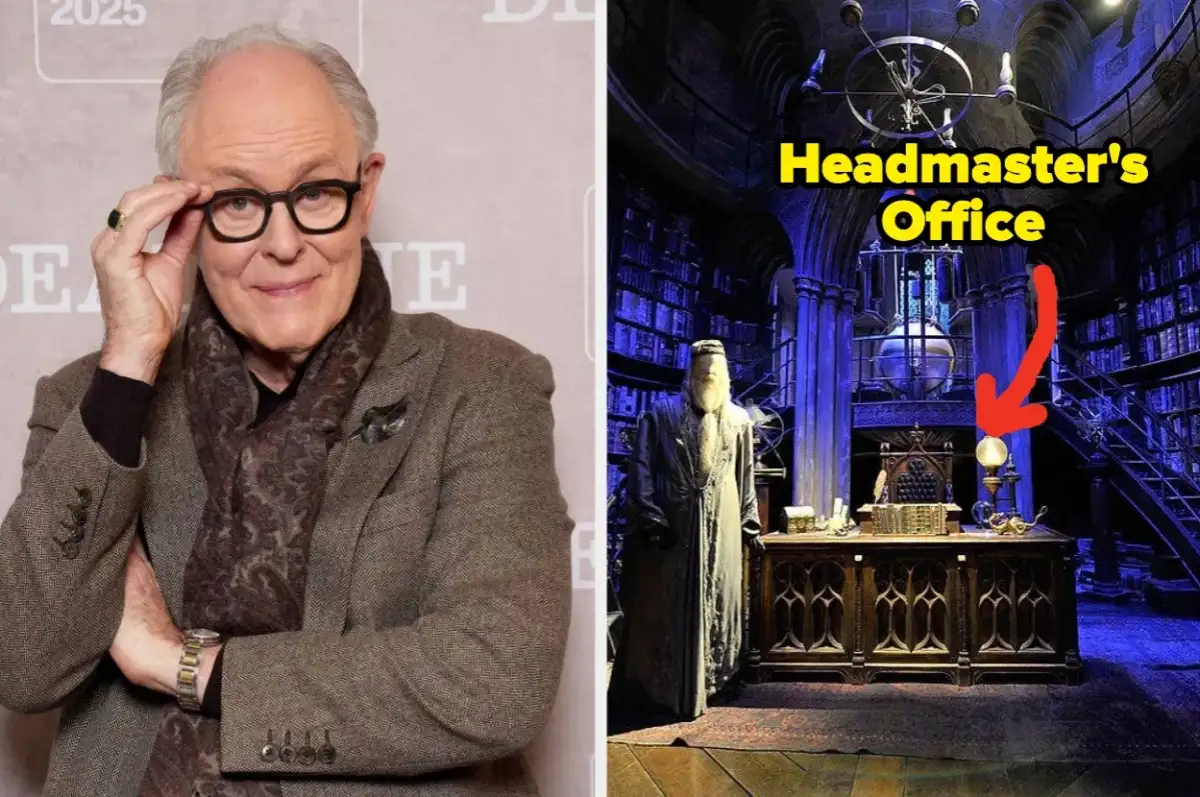
Lithgow, who is reportedly 80 years old, previously acknowledged considering the role as potentially his "last major role." This internal conflict played out against a backdrop where other cast members have also sought to distance themselves from Rowling's viewpoints.
A Distant Creator
Lithgow stated he has not met J.K. Rowling and reiterated his opposition to her public statements. He maintains that the 'Harry Potter' series, in his view, upholds values of tolerance and acceptance, despite the creator's problematic rhetoric. The decision to proceed with the role, he suggested, was also influenced by a belief in preserving these perceived core values of the 'Harry Potter' universe.