The persistent and often distressing condition of chronic hives, also known as chronic urticaria, affects many globally. Individuals experience recurring itchy welts and swelling that can last for months or even years. While pinpointing specific triggers is a common focus, recent expert consensus suggests a shift towards long-term management and sustained treatment rather than an endless search for causes. This approach acknowledges the complex, often immune-mediated nature of the condition.
Understanding Chronic Hives
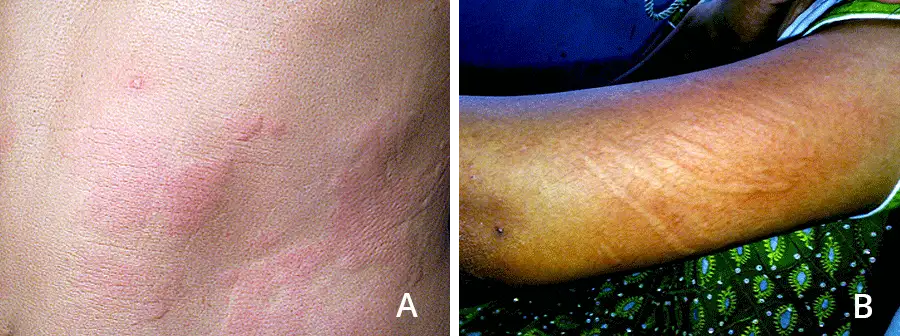
Chronic hives are characterized by itchy, raised patches or welts on the skin that persist for six weeks or longer. This distinguishes them from acute hives, which typically resolve within a shorter timeframe. The condition can significantly impact a person's quality of life, causing discomfort and distress.

Duration: Hives appearing frequently for over six weeks are considered chronic.
Impact: Chronic hives can affect more than just the skin, impacting overall well-being.
Presentation: Symptoms include itchy welts and swelling.
Classifying Chronic Urticaria
Experts broadly categorize chronic urticaria into two main types, crucial for guiding treatment:
Read More: India IVF Costs And Social Barriers Limit Access In April 2026
Chronic Spontaneous Urticaria (CSU): This form occurs without any identifiable or reproducible trigger. It is increasingly understood as a long-term, immune-mediated disorder.
Chronic Inducible Urticaria: This type is triggered by specific external factors, such as heat, cold, or pressure.
Is it always necessary to find a specific trigger for effective management? The current view emphasizes that even when causes are not clear, effective treatments can still manage symptoms and prevent new outbreaks.

Treatment and Management Strategies
The approach to managing chronic hives is evolving, with a growing emphasis on consistent care:
Sustained Treatment: Chronic urticaria, particularly CSU, requires sustained treatment and ongoing monitoring.
Individualized Plans: Treatment plans are tailored to each patient's needs.
Focus on Well-being: Managing both physical and mental health is important for improving the quality of life for those with chronic hives.
Medication's Role: While some medications can trigger hives, others are used in treatment. Lifestyle changes can also aid in management.
Should the focus shift from solely identifying triggers to a broader management strategy? Experts suggest that understanding triggers can help with planning, but treatment should not solely rely on this.

Expert Insights
Leading medical professionals advocate for a paradigm shift in managing chronic hives:
"Chronic urticaria, particularly chronic spontaneous urticaria (CSU), is now recognised as a long-term immune-mediated disorder that needs sustained treatment and monitoring." - The Hindu
This perspective underscores the chronic and complex nature of the condition, necessitating ongoing medical attention.
Evidence and Data
The available information highlights several key points:
Definition: Chronic hives are skin welts that last longer than six weeks.
Immune Basis: CSU is considered an immune-mediated disorder.
Trigger Identification: While sometimes possible, it's not always achievable or the sole focus of treatment.
Treatment Efficacy: Effective treatments exist to manage symptoms even without a known cause.
Expert Analysis: The Long-Term Outlook
The prevailing expert opinion leans towards viewing chronic hives as a persistent condition requiring a sustained management approach. The emphasis is on providing relief and improving quality of life, acknowledging that an endless search for triggers might not always be the most effective or necessary strategy.
Read More: Janine Price Loses 3 Stone, Claims Diet and Exercise Helped Her Psoriasis
CSU as Chronic: Experts confirm that CSU is a long-term condition.
Treatment Over Trigger Search: The consensus is that sustained treatment is key.
Holistic Care: Addressing mental health alongside physical symptoms is crucial.
Conclusion and Implications
The current understanding suggests that chronic hives, especially CSU, are complex, long-term conditions requiring a proactive and sustained treatment strategy. While identifying triggers can be part of the process, the focus is shifting towards consistent medical management, individualized care plans, and improving the overall well-being of affected individuals. This evolution in approach aims to provide more effective and enduring relief for those living with the persistent challenges of chronic hives.
Key Finding: Chronic hives necessitate long-term care and sustained treatment.
Implication: Patients and healthcare providers should prioritize ongoing management strategies.
Next Steps: Further research and patient education on effective, long-term management are implied.
Sources
The Hindu: Chronic hives demands long-term care, not endless trigger searches: experts - https://www.thehindu.com/sci-tech/health/chronic-hives-demands-long-term-care-not-endless-trigger-searches-experts/article70591619.ece
Liv Hospital: Chronic Hives: The Crucial Serious Long-Term Condition Fact - https://int.livhospital.com/chronic-hives-the-crucial-serious-long-term-condition-fact/
Everyday Health: What Is Chronic Spontaneous Urticaria (Hives)? Symptoms, Causes, Diagnosis, Treatment, and Prevention - https://www.everydayhealth.com/hives/chronic-hives/
HealthCentral: What Are The Treatment and Medication Options for Chronic Hives? - https://www.healthcentral.com/condition/chronic-hives-treatment-and-medication
London Dermatology Centre: A Dermatologist’s Approach to Chronic Hives (Urticaria) - https://www.london-dermatology-centre.co.uk/blog/chronic-hives-management/
Middlesex Health: Chronic hives - https://www.middlesexhealth.org/learning-center/diseases-and-conditions/chronic-hives
Allergy & Asthma Network: Chronic Urticaria: Causes, Symptoms, Diagnosis, & Treatment - https://allergyasthmanetwork.org/chronic-urticaria/cu-causes-symptoms-diagnosis-treatment/
HealthCentral: Chronic Hives Symptoms, Causes, Diagnosis and Treatment - https://www.healthcentral.com/condition/chronic-hives
American Academy of Dermatology Association (AAD): 10 ways to get relief from chronic hives - https://www.aad.org/public/diseases/a-z/hives-chronic-relief
HealthCentral: Your Top Chronic Hives Questions, Answered - https://www.healthcentral.com/slideshow/top-chronic-hives-questions-answered
American College of Allergy, Asthma & Immunology (ACAAI): Hives (Urticaria) | Causes, Symptoms & Treatment - https://acaai.org/allergies/allergic-conditions/skin-allergy/hives/
Cleveland Clinic: Chronic Hives (Chronic Idiopathic Urticaria): Causes & Treatment - https://my.clevelandclinic.org/health/diseases/22900-chronic-hives-chronic-idiopathic-urticaria
Verywell Health: How to Deal With Chronic Hives - https://www.verywellhealth.com/chronic-urticaria-coping-5194901
Never Just Hives: Never Just Hives – Learn about Chronic Spontaneous Urticaria (CSU) - https://www.neverjusthives.com/
West Hills Allergy & Asthma Associates: Chronic Hives | West Hills Alergy & Asthma Associates - https://westhillsaaa.com/chronic-hives/
Xolair® (omalizumab): Chronic Hives (Chronic Spontaneous Urticaria) - https://www.xolair.com/chronic-spontaneous-urticaria/about-chronic-hives/what-are-chronic-hives.html