Tensions simmer as key demands remain unmet, undermining fragile ceasefires and oil markets.
Negotiations between the United States and Iran have hit a significant wall, leaving prospects for a lasting agreement uncertain. At the heart of the impasse lie three primary points of contention: Iran's nuclear program, the volatile situation in the Strait of Hormuz, and the intricate web of sanctions.

The central disagreement revolves around Iran's nuclear ambitions, with the US demanding a protracted pause on uranium enrichment and direct oversight of any stockpiles, while Iran pushes for a shorter moratorium and retains its existing holdings. This standoff directly impacts global energy markets, as evidenced by the recent surge in crude oil prices amid fears of renewed conflict.

Uranium Enrichment and Stockpile Dispute
Reports indicate the US proposed a 20-year moratorium on Iranian uranium enrichment, a demand swiftly rejected by Iranian leadership who countered with a five-year timeframe.
A crucial sticking point is the demand for Iran to surrender its uranium stockpile, estimated at around 400 kilograms of 60% enriched uranium, ideally under US supervision.
International media suggests a proposal involving the unfreezing of Iranian assets in exchange for the handover of its enriched uranium.
Past agreements, such as the 'Iran Deal' from 2016, aimed to block all pathways to a nuclear weapon, with the International Atomic Energy Agency verifying Iran's compliance at the time. However, the current situation highlights a breakdown in that framework.
Strait of Hormuz and Maritime Blockades
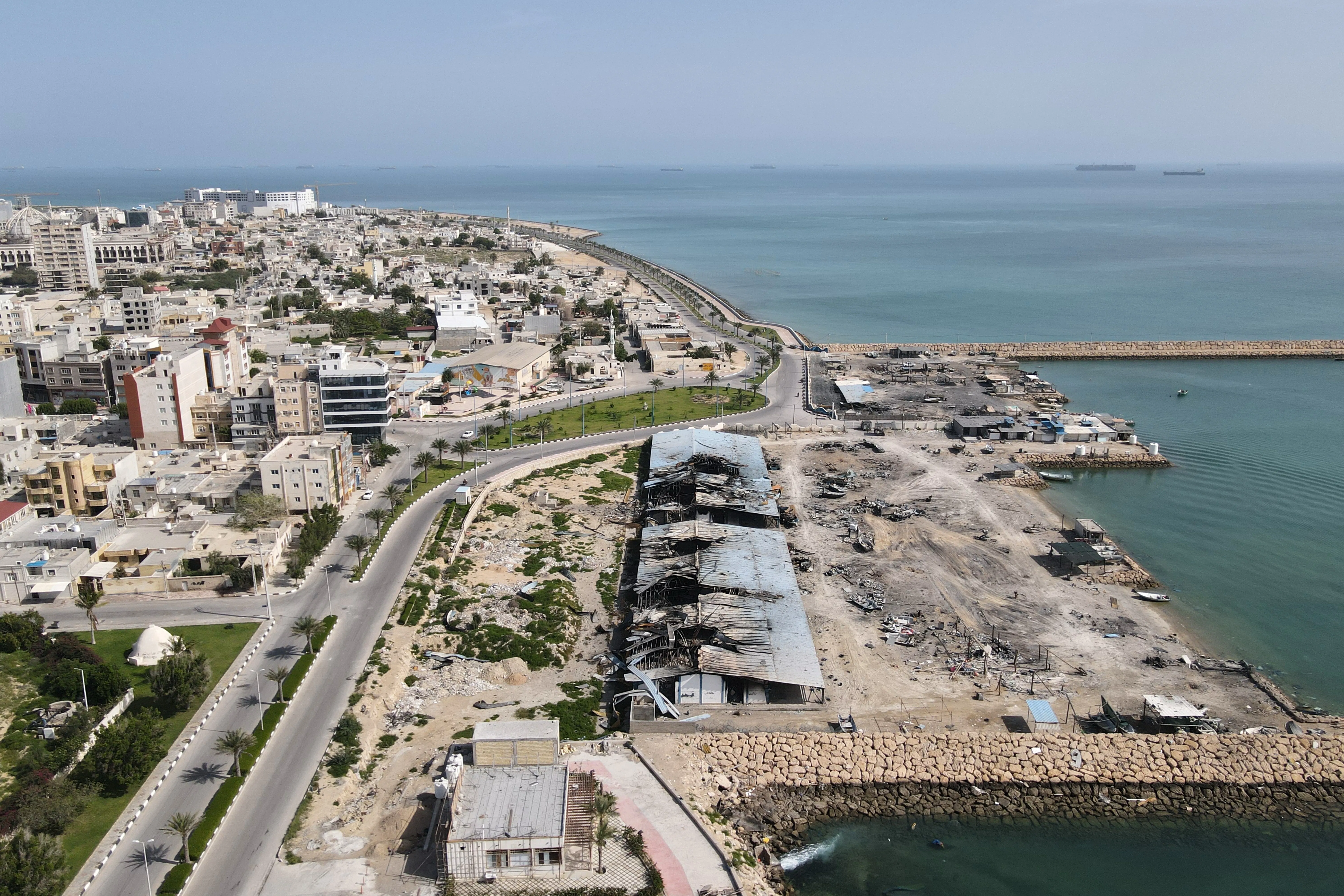
The Strait of Hormuz has emerged as a critical strategic battleground, with Iran threatening commercial vessel passage if its own access is restricted.
Iran's parliamentary speaker, Mohammed Bagher Ghalibaf, stated, "It is impossible for others to pass through the Strait of Hormuz while we cannot."
In tandem, the US declared a maritime blockade on traffic to and from Iranian ports, leading to observed vessel movements through the strait and sparking concerns about escalating conflict.
This naval blockade has been described by President Trump as "destroying" Iran, while Iran has indicated it will maintain restrictions on shipping until the US blockade is lifted.
Sanctions Relief and Asset Unfreezing
The US has reportedly offered a "grand bargain," including the lifting of sanctions and Iran's reintegration into the international community.
However, the Trump administration faces political constraints on sanctions relief.
Iran, conversely, is demanding sanctions relief and the release of its frozen assets as part of any agreement.
Discussions are reportedly underway regarding the terms under which Iran could access a proposed $20 billion in cash.
Broader Context: A History of Distrust and Volatility
The recent marathon talks in Islamabad, aimed at ending weeks of conflict, concluded without a definitive agreement. The US delegation, led by Vice President JD Vance, included special envoy Steve Witkoff and Jared Kushner. Iran's ambassador to Pakistan, Reza Amiri Moghadam, described the atmosphere as dignified and calm, acknowledging agreement on some issues but noting "two or three sticking points."
Read More: Japan Ends Ban on Lethal Arms Exports, Affecting Global Defense

Past negotiations, like those culminating in the 2015 'Iran Deal' (JCPOA), underscore the deep-seated mutual distrust and contrasting negotiating styles that plague current efforts. Former negotiators recall Iran's tactics of "saying no to everything" to gauge US priorities, labeling the process as "maddeningly difficult."

The ongoing conflict has seen intensified Israeli strikes on Hezbollah targets in Lebanon, operations that Israel argues fall outside the ceasefire with Iran. This has led to Iran closing the Strait of Hormuz following continued Israeli attacks. Broader regional ambitions of Iran, even when nuclear activities were curtailed by the JCPOA, continue to be a source of tension, with US and Israeli forces targeting Iranian defense industrial assets. Reports of Russian assistance to Iran's war effort add another layer of geopolitical complexity.
Read More: US Seizes Iranian Ship, Ceasefire Talks May End Wednesday
Furthermore, infrastructure attacks, including on water desalination plants in Iran and Bahrain, have escalated tensions, with Iran accusing the US of complicity, a claim denied by US Central Command. The naming of Mojtaba Khamenei as Iran's Supreme Leader also looms as a factor in the nation's strategic outlook.
While some Pakistani media sources suggest a narrowing of gaps between the US and Iran, the core issues surrounding the nuclear program, uranium stockpiles, access to Hormuz, and sanctions relief remain deeply entrenched, perpetuating risks to global energy markets.