The conflict involving Iran has triggered a sharp increase in oil prices, directly translating to climbing gasoline costs for American drivers. This disruption to global supply chains, particularly concerning key Middle East oil facilities and the vital Strait of Hormuz, is causing a ripple effect on fuel prices across the United States. While official statements from the White House suggest plans to stabilize energy markets, analysts point to persistent elevation in gas prices, potentially lasting through the summer due to increased seasonal demand.
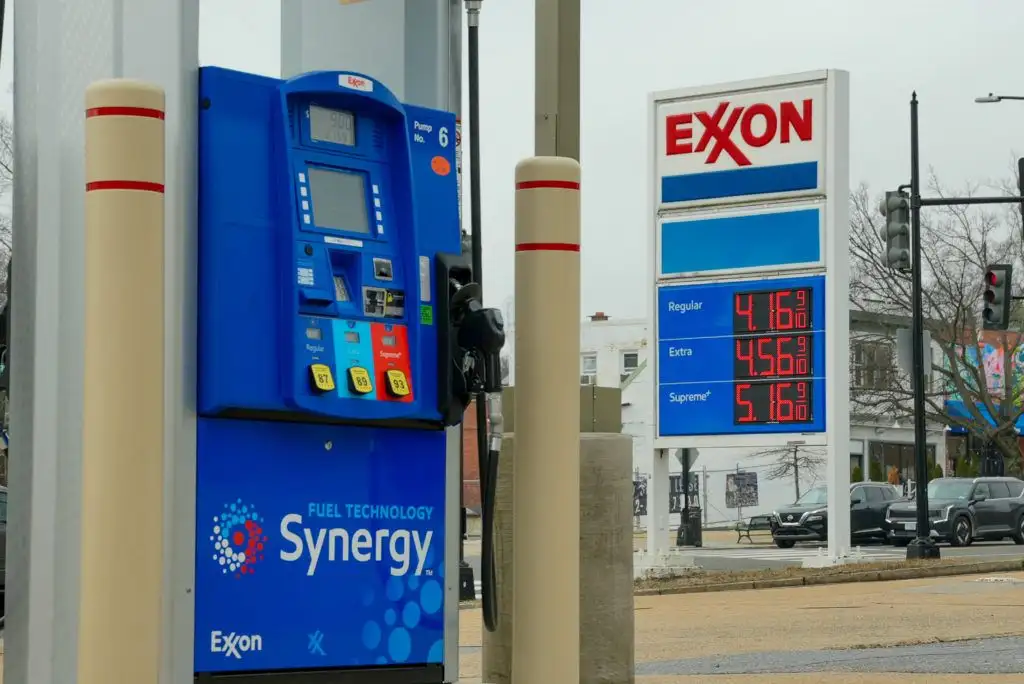
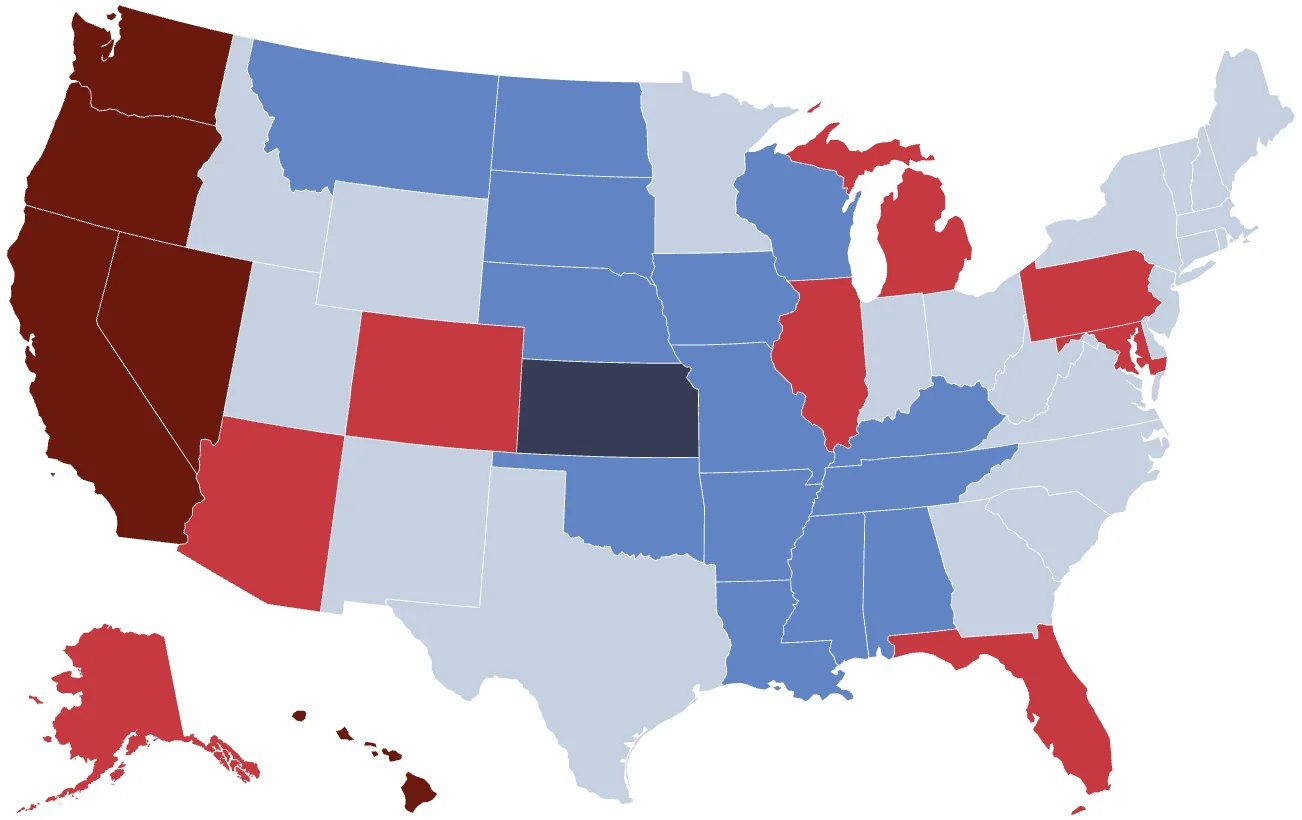
Gasoline prices have surged by as much as 56 cents since late February, a jump directly linked to supply fears stemming from the escalating situation. Although crude oil prices have seen fluctuations, retail gasoline prices do not immediately mirror these shifts, as stations sell fuel refined from earlier, lower-cost oil purchases. This delay means consumers are experiencing a lagged, yet significant, impact at the pump. The price discrepancies between states are notable, with varying costs at the pump reflecting localized supply and demand dynamics alongside broader market pressures.
Read More: Goldman Sachs predicts 15 million US jobs lost to AI by 2036
Strain on Households and Economic Uncertainty
The immediate consequence of these rising fuel costs is a palpable strain on household budgets, particularly for lower-income families who allocate a larger portion of their income to essential expenditures like gasoline. This energy shock threatens to erode disposable income and destabilize overall economic well-being, potentially leading to reduced savings, increased reliance on consumer loans, and a rise in delinquency rates among vulnerable populations. Experts anticipate a direct pass-through of higher oil prices to consumer energy costs, contributing to renewed inflationary pressures. Conversely, higher-income households are expected to sustain consumer spending, potentially mitigating the war's broader impact on economic growth.

Global Dependencies and Market Reactions
The global nature of oil trading means that even domestically produced U.S. oil is subject to price increases dictated by international events. The United States both exports crude oil and imports refined products like gasoline. Disruptions in regions vital for oil production and transit, such as the Strait of Hormuz which facilitates approximately one-fifth of global oil supply, have a profound and immediate impact on oil prices worldwide. The market's anticipation of potential long-term supply shortages, particularly if the Strait of Hormuz faces prolonged closure, is a significant driver behind the current price spikes.
Read More: House Votes to Limit President's War Power on Iran

Navigating the Financial Fallout
In response to these mounting energy costs, consumers are exploring various strategies to manage their budgets. While not reducing the actual consumption cost, utility-level payment plans can help by removing the volatility of seasonal bill spikes, thus preventing reliance on high-interest credit cards. For those already indebted, seeking direct communication with credit card issuers to request hardship rate reductions is presented as a viable, albeit often overlooked, option. Financial advisors caution that reducing dependence on revolving credit is crucial for creating the necessary financial buffer to absorb energy shocks without falling into a perpetual debt cycle. Strategic debt restructuring is advised for individuals caught in a loop of minimum payments.