Unmanned aerial vehicles have been launched into Israel from Iraqi territory since the conflict began, prompting concern over the expansion of targets beyond U.S. military bases. This development suggests a coordinated effort by Iran-aligned Iraqi militias to retaliate for actions taken against Iran. Energy companies operating in Iraqi Kurdistan have temporarily halted oil and gas production as a precautionary measure following strikes on Iran.
The use of UAVs originating from Iraq indicates a potential broadening of the conflict, directly involving Iranian proxy groups in Iraq in strikes against Israel, and implicitly threatening U.S. energy interests in the region.
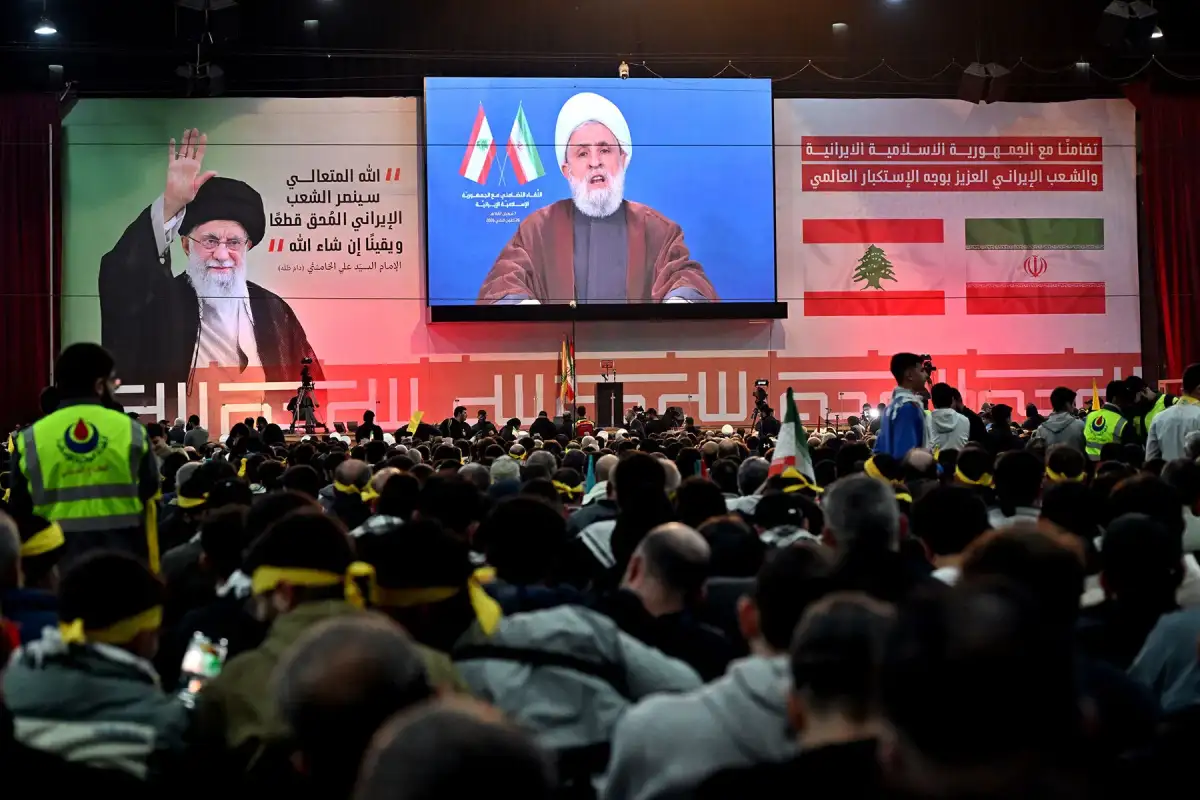
Kataib Hezbollah, an Iran-backed militia in Iraq, has previously threatened to strike U.S. bases in the region if the United States were to attack Iran. These threats were reiterated by the group's leadership, with the Badr Organization, another Iran-backed militia, echoing support for Tehran.
Read More: Iran Warns Gulf States After U.S. Naval Clash
A Wider Network of Proxies
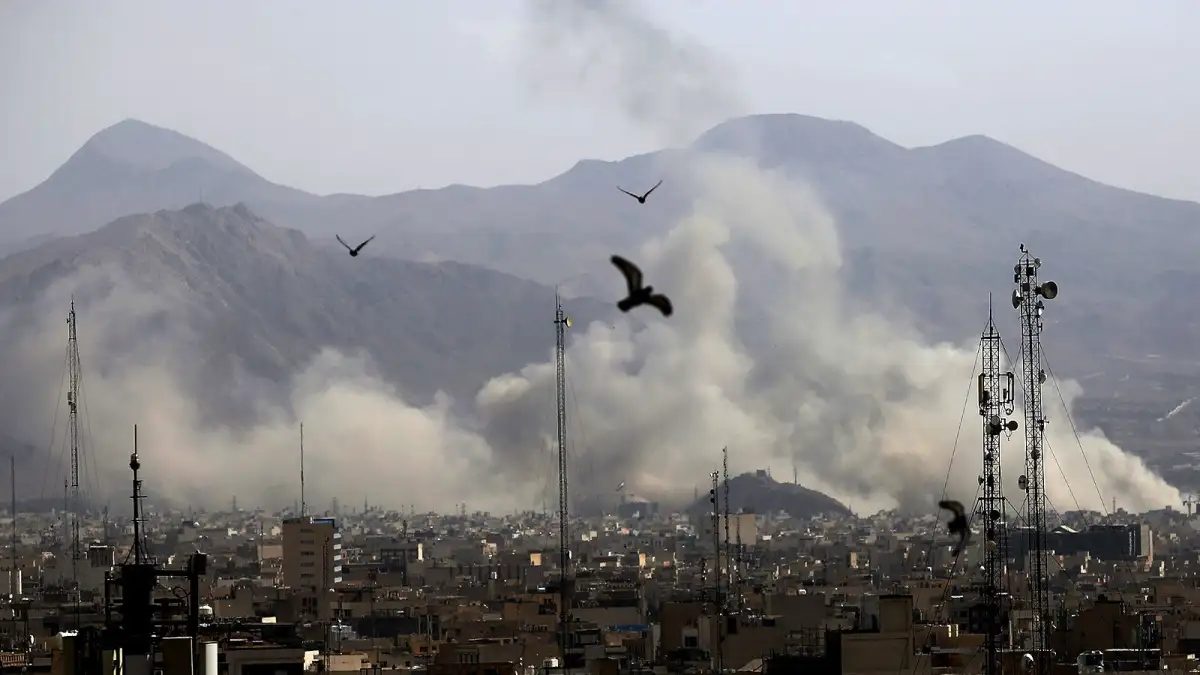
Iran has cultivated a network of allied groups, often referred to as the "axis of resistance," intended to counter perceived threats. This network includes Hezbollah in Lebanon and Houthi forces in Yemen. While these groups have expressed readiness to respond to joint U.S.-Israeli actions against Iran, their involvement appears varied.
Hezbollah, described as Iran's main strategic partner, reportedly launched rocket attacks against Israel recently, drawing an Israeli military response. However, the Lebanese Prime Minister urged Hezbollah to refrain from further engagement, citing the nation's need for reconstruction and potential loss of funding should the group act on Iran's behalf.
U.S. and Israeli Actions
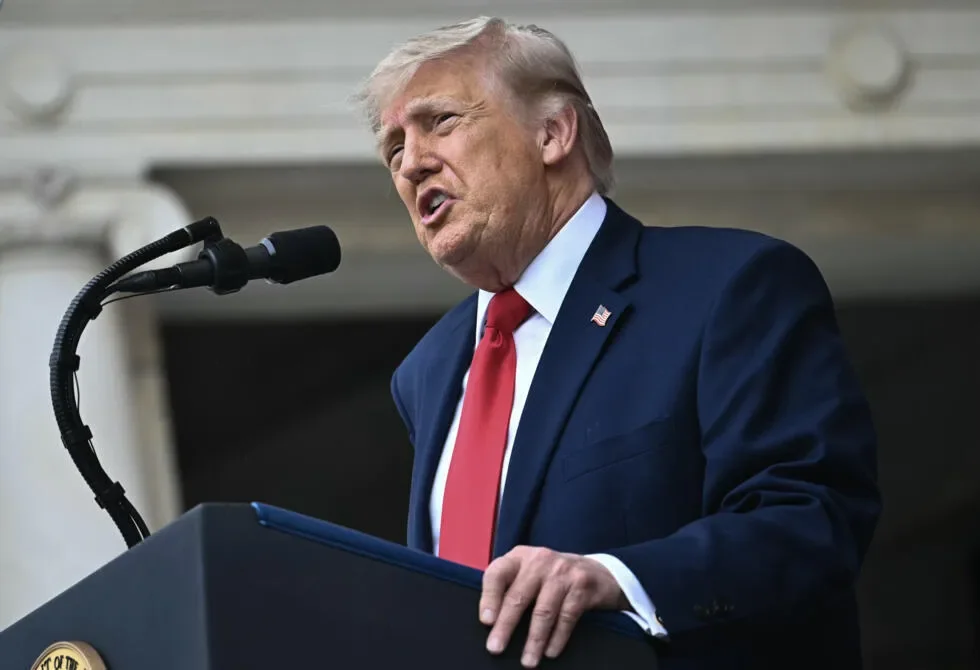
Recent strikes by the United States and Israel on Iran's military installations and leadership are framed by some as preventive measures. These actions have been met with criticism from some lawmakers, while others, like Mark Levin, have lauded them as the actions of a "real leader."
Read More: Gulf Oil Exports Rise in June but Still Below Pre-War Levels
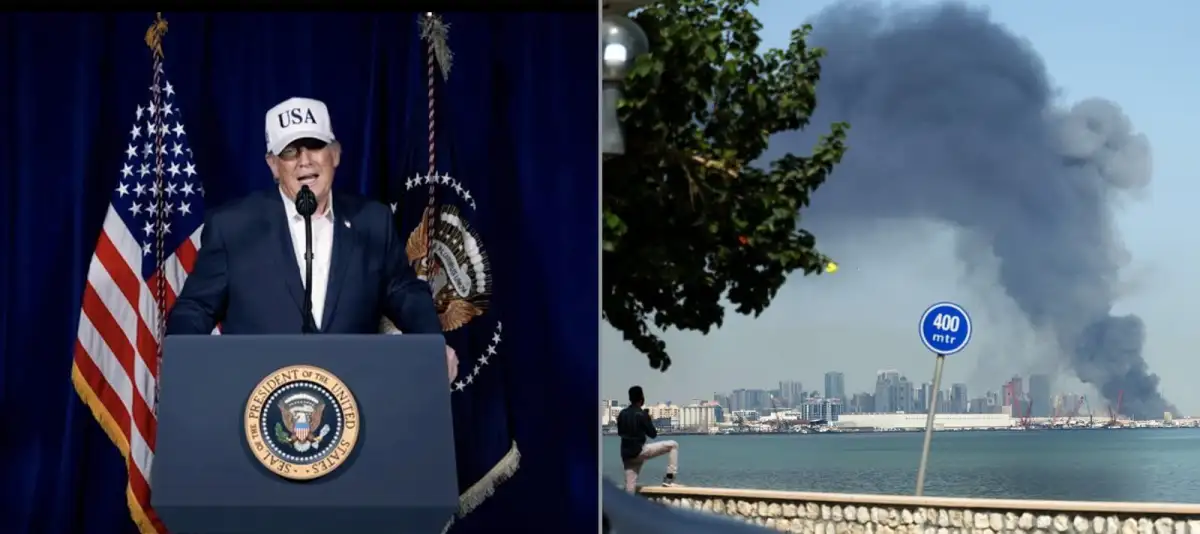
The U.S. military buildup in the region has coincided with warnings from U.S. President Donald Trump regarding Iran's domestic crackdown. Iran's use of low-cost drones has been identified as a credible asymmetric threat to high-value U.S. naval assets.
Regional Implications and Internal Dynamics
The effectiveness and political unity of Iran's "axis of resistance" have been questioned following Israeli military campaigns. Some analyses suggest these campaigns have militarily and politically weakened the coalition, leading to a diminished inclination among regional countries to openly support groups like Hamas, Hezbollah, and the Houthis.
The strategic objectives of these actions, including the possibility of regime change in Iran, remain subjects of observation. Some speculate that initial strikes were intended to target hardline leadership, potentially creating an opening for residual leadership to negotiate.
Background
The current escalation follows a period of heightened tensions and previous threats exchanged between Iran and its allies, and the United States and Israel. The role of Iran-backed militias operating from Iraq has become a focal point, with U.S. officials expressing concerns regarding Iraq's capacity or willingness to disarm these groups. The geopolitical landscape is complex, with various actors pursuing their own interests within a broader regional power struggle.
Read More: Russia Boosts Air Defense Against Ukraine Drone Attacks