


Aboulfazl Khatibi Mianaei, the sole Iranian competitor at the Milan Cortina 2026 Winter Paralympic Games, has withdrawn from the event due to "travel safety concerns," as announced by the International Paralympic Committee (IPC). This decision resulted in the removal of Iran's flag from the athletes' parade during the opening ceremony.
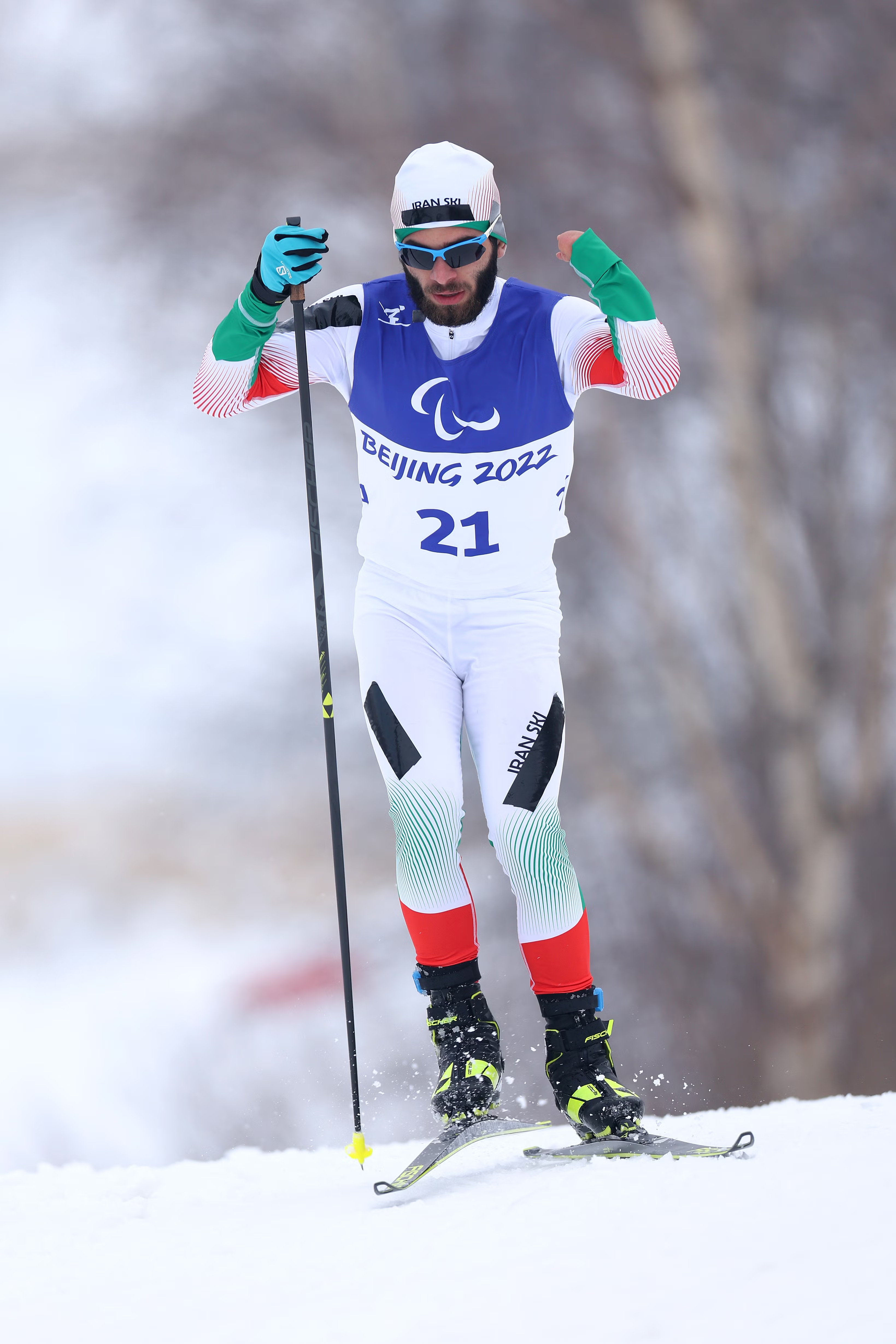
The withdrawal underscores the pervasive insecurity stemming from ongoing conflict in the Middle East, rendering travel to Italy unsafe for Mianaei, a two-time Paralympian slated to compete in sprint classic and interval start classic events. The IPC indicated that efforts to secure safe passage for the Iranian delegation were made in coordination with the Iranian National Paralympic Committee, though communication proved difficult due to disrupted systems within Iran.
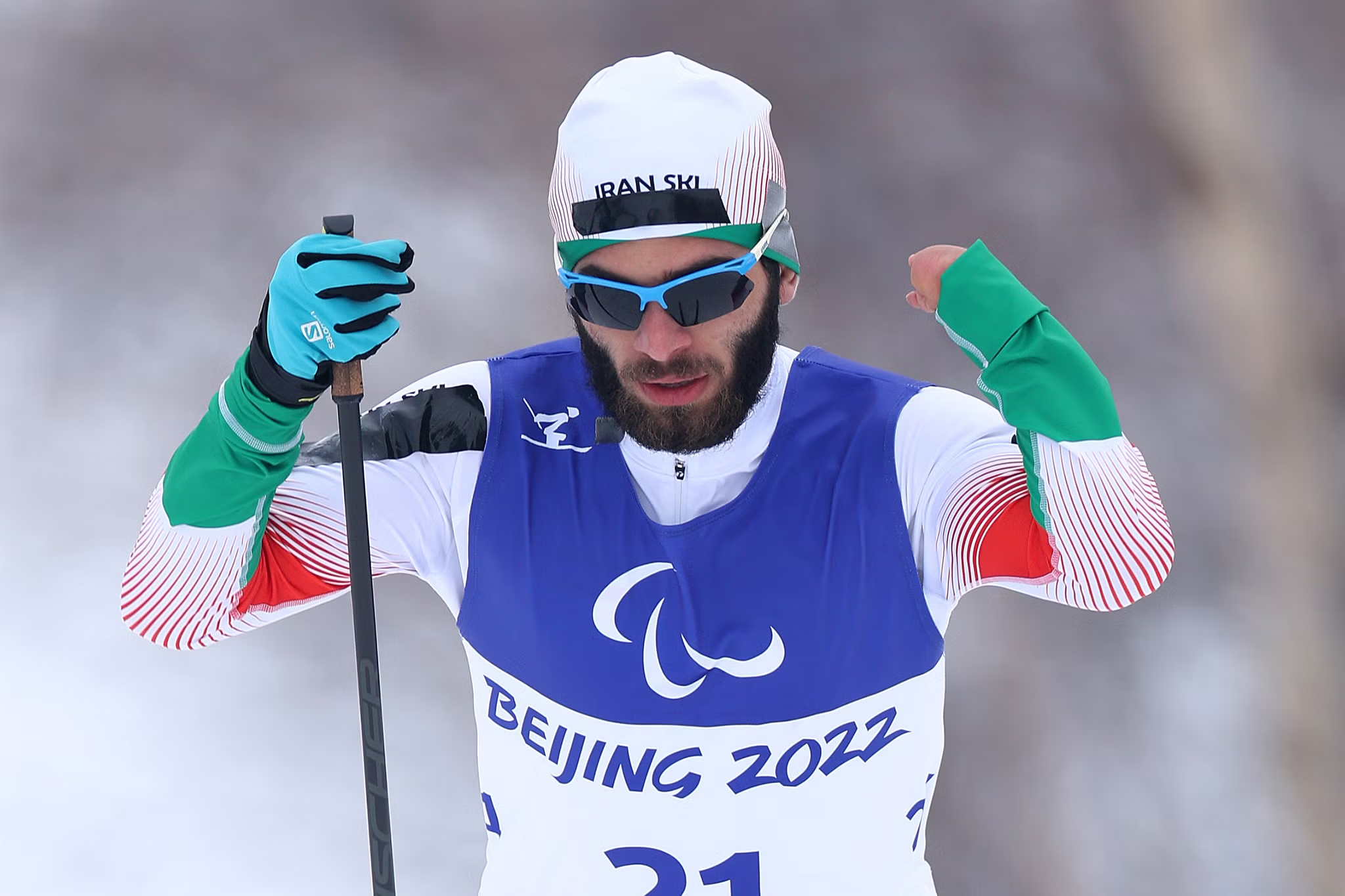
The situation brings into sharp relief the complex entanglement of global politics with athletic endeavors. Advocates for athletes with disabilities have noted the significance of international competitions in dismantling societal barriers, making Iran's non-participation a particularly regrettable outcome.
Read More: Max Holloway Favored to Win BMF Belt Against Charles Oliveira at UFC 326 on March 7

The Athlete's Event
Mianaei, who has participated in previous Paralympic Games, was expected to vie for medals in the men's sprint classic and the men's 10-kilometer interval start classic. His inability to participate means a total of 611 Paralympic athletes from 55 nations will now compete.

The IPC's Stance
"Due to the ongoing conflict in the Middle East, the Pyeongchang 2018 and Beijing 2022 Paralympian cannot travel safely to Italy."
IPC president Andrew Parsons stated that organizers had "worked tirelessly behind the scenes" but ultimately deemed the risk to human life "too high" amidst the regional instability. The committee's announcement came just hours before the opening ceremony.
Broader Implications
The incident highlights how international tensions can impact athletes, particularly those from regions experiencing heightened diplomatic friction. This decision resonates with a wider narrative of challenges faced by athletes navigating a world often marked by precarious geopolitical landscapes.