

The arrival of two new ultra-slim flagship smartphones, the Apple iPhone Air and the Samsung Galaxy S25 Edge, has ignited a debate among tech enthusiasts and consumers. Both devices promise cutting-edge technology within remarkably thin designs, prompting detailed comparisons across various features, performance metrics, and user experiences. The core question remains: which of these sleek devices offers a superior overall package for the discerning user?
Context and Device Introduction
Both the iPhone Air and the Galaxy S25 Edge represent significant design shifts for their respective manufacturers. Samsung, having previously ventured into thin phone design, presents the S25 Edge as a refined iteration. Apple, with the iPhone Air, enters the ultra-thin flagship market, aiming to establish a new benchmark. The introduction of these devices, which became available in late 2025, has led to a flurry of comparative analyses from technology publications.
Read More: Chrome mimeHandler API lets extensions handle file types
Key Feature Comparisons
The competition between the iPhone Air and the Galaxy S25 Edge is multifaceted, with differing strengths highlighted across several critical areas.

Design and Build
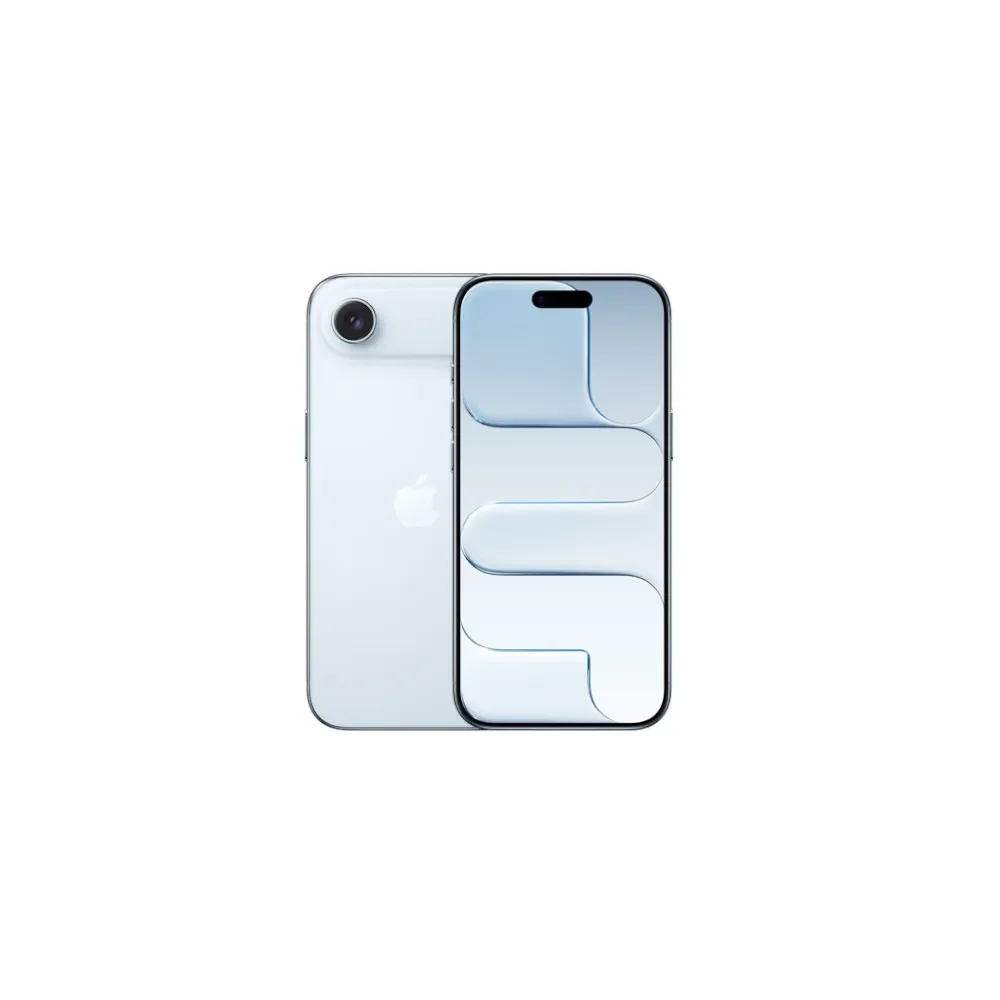
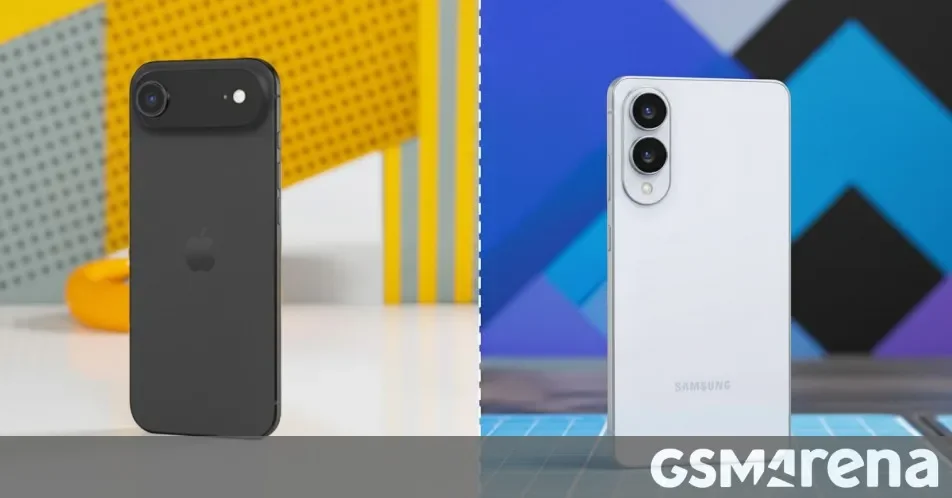
Both phones are noted for their ultra-slim profiles, a primary selling point. The Galaxy S25 Edge features noticeably thinner bezels and less rounded corners, contributing to a distinct aesthetic. In contrast, the iPhone Air, while also exceptionally thin, is described by some as a "complete, cohesive" device. Apple emphasizes durability, employing Ceramic Shield 2 on the iPhone Air. Samsung uses Corning Gorilla Glass Ceramic 2 on the S25 Edge, which also integrates stereo speakers, whereas the iPhone Air has a single top speaker.
Display Technology
Both devices sport gorgeous screens. The Galaxy S25 Edge boasts a 6.7-inch AMOLED display with a 120Hz refresh rate, noted for its resolution and immersive quality. The iPhone Air, similarly, features a ProMotion display, characteristic of Apple's premium offerings.
Read More: Pixel 10 US models go eSIM only, international models keep physical SIM
Performance and Software
Under the hood, the iPhone Air is powered by Apple’s A19 Pro chip, though it differs from the chips in the iPhone 17 Pro series. The Galaxy S25 Edge utilizes Qualcomm’s Snapdragon 8 Elite for Galaxy. Software experiences differ significantly, with the iPhone Air running on Apple's iOS, emphasizing connectivity and AI features through Apple Intelligence. The Galaxy S25 Edge operates on One UI 7 based on Android 15, with Samsung highlighting its AI features.
Camera Capabilities
Camera systems are a point of divergence. Both phones are limited to 10x digital zoom. The Galaxy S25 Edge is credited with greater rear camera versatility, while the iPhone Air is noted for its selfie quality and video performance. The Samsung device also extends further with its AI capabilities.
Battery and Connectivity
A significant difference lies in battery capacity, with the Galaxy S25 Edge featuring a larger 3,900mAh battery compared to the iPhone Air's estimated 2,800mAh capacity. In terms of connectivity, the S25 Edge includes a USB Type-C 3.2 port, while the iPhone Air is equipped with a USB Type-C 2.0 connector. Furthermore, the iPhone Air lacks a physical SIM slot, a feature present on the S25 Edge.
Read More: BEREC Asks for Mobile Network API Ideas from Developers
User Experience and Verdicts
Evaluations of the iPhone Air and Galaxy S25 Edge often yield mixed conclusions, reflecting differing priorities.
Argument for iPhone Air: Some analyses suggest the iPhone Air offers a more refined and cohesive user experience, appealing to those who prioritize Apple's ecosystem and premium features. Its durability and display brightness are specifically mentioned as strengths.
Argument for Galaxy S25 Edge: Conversely, the Galaxy S25 Edge is lauded for offering more upgrades for its price, with a larger battery, superior port, and extensive AI features. Its display quality is also frequently praised. One reviewer indicated that the iPhone Air narrowly beats the Galaxy S25 Edge in a direct face-off due to specific, though not fully detailed, reasons, while another reviewer declared the iPhone Air better. Another competitive analysis concluded the Samsung Galaxy S25 Edge wins.
Technical Specifics Summary
| Feature | Apple iPhone Air | Samsung Galaxy S25 Edge |
|---|---|---|
| Design | Ultra-slim, cohesive | Ultra-slim, thinner bezels, less rounded |
| Display | ProMotion display | 6.7-inch AMOLED, 120Hz |
| Processor | Apple A19 Pro | Qualcomm Snapdragon 8 Elite for Galaxy |
| Battery | ~2,800mAh | 3,900mAh |
| Charging Port | USB Type-C 2.0 | USB Type-C 3.2 |
| SIM | No physical SIM slot | Physical SIM slot |
| Durability | Ceramic Shield 2 | Corning Gorilla Glass Ceramic 2 |
| Speakers | Single (top) | Stereo |
| AI Features | Apple Intelligence | Extensive AI features |
| Camera Zoom | Max 10x digital zoom | Max 10x digital zoom |
Expert Analysis and Observations
The distinction between the two phones often boils down to user preference and specific needs. One analysis frames the choice as dependent on what users expect from both phones. Samsung's approach is characterized by an emphasis on display quality, camera versatility, and value. Apple, meanwhile, focuses on durability, ecosystem integration, and cutting-edge features. The S25 Edge is positioned as a less risky thin phone choice for some, while the iPhone Air appeals to those seeking refinement and premium Apple-exclusive features. A noteworthy observation is that both phones have a tendency to get quite hot during operation.
Read More: Is the iPhone 17 waterproof for swimming in April 2026?
Conclusion and Unresolved Questions
The comparison between the iPhone Air and the Galaxy S25 Edge reveals two highly capable, yet distinctly different, ultra-thin smartphones. The iPhone Air presents a package that leans towards refinement, ecosystem integration, and perceived durability, appealing to a segment of users who value Apple's distinct approach. Its performance is optimized for extended use for non-power users. The Galaxy S25 Edge, on the other hand, offers a compelling alternative with a larger battery, more advanced connectivity port, a more immersive display, and a stronger suite of AI functionalities, often at a more accessible price point.
While many reviews declare a winner, these verdicts are often qualified, indicating that the "better" phone is subjective. The choice appears to hinge on individual priorities: whether one values Samsung's feature-rich approach and greater perceived value, or Apple's seamless integration and established premium appeal. The tendency for both devices to overheat under load remains a point of technical concern that warrants further investigation.
Read More: Confidential Computing Security Flaw Found on 4 April 2026
Primary Sources:
CNET: https://www.cnet.com/tech/mobile/iphone-air-vs-galaxy-s25-edge-thin-phones/ (Published: Jan 13, 2026)
TomsGuide: https://www.tomsguide.com/phones/i-put-the-iphone-air-vs-samsung-galaxy-s25-edge-through-a-7-round-face-off-heres-the-winner
ZDNet: https://www.zdnet.com/article/iphone-air-vs-samsung-s25-edge-i-compared-the-two-ultra-slim-phones-and-heres-the-winner/
Android Authority: https://www.androidauthority.com/iphone-air-vs-galaxy-s25-edge-3601191/ (Published: Sep 29, 2025)
How-To Geek: https://www.howtogeek.com/iphone-air-vs-samsung-galaxy-s25-edge/ (Published: Sep 12, 2025)
Gizmochina: https://www.gizmochina.com/2025/09/15/iphone-air-vs-galaxy-s25-edge-thinnest-flagship-phones-compared/ (Published: Sep 15, 2025)
GSMArena: https://www.gsmarena.com/appleiphoneairvssamsunggalaxys25edgewhomadetheslimphonebetter-news-69463.php (Published: Sep 12, 2025)
TrustedReviews: https://www.trustedreviews.com/versus/iphone-air-vs-samsung-galaxy-s25-edge (Published: Dec 15, 2025)
iGeeksBlog: https://www.igeeksblog.com/iphone-air-vs-samsung-galaxy-s25-edge/ (Published: Sep 12, 2025)





