


THE SCARCITY SIGNAL
The escalating cost of fundamental memory components, DRAM and NAND, is forcing device makers, particularly in the Internet of Things (IoT) sector, to reassess their hardware choices. This isn't a theoretical debate anymore; it's a pragmatic pivot. The traditional logic for selecting a processor, once perhaps driven by brand loyalty or established ecosystems, now has to contend with the sheer economics of component availability and price.

The current memory crunch is not an isolated incident but a consequence of a significant industry shift. Chip manufacturers are prioritizing production of high-bandwidth memory (HBM), a specialized component critical for artificial intelligence computations. This pivot directly impacts the supply and cost of standard memory used in a broader range of devices. Companies like Nvidia and AMD, pivotal in the AI hardware space, are large consumers of this HBM, further concentrating demand.
Read More: Claude AI is better than ChatGPT for big documents, study says
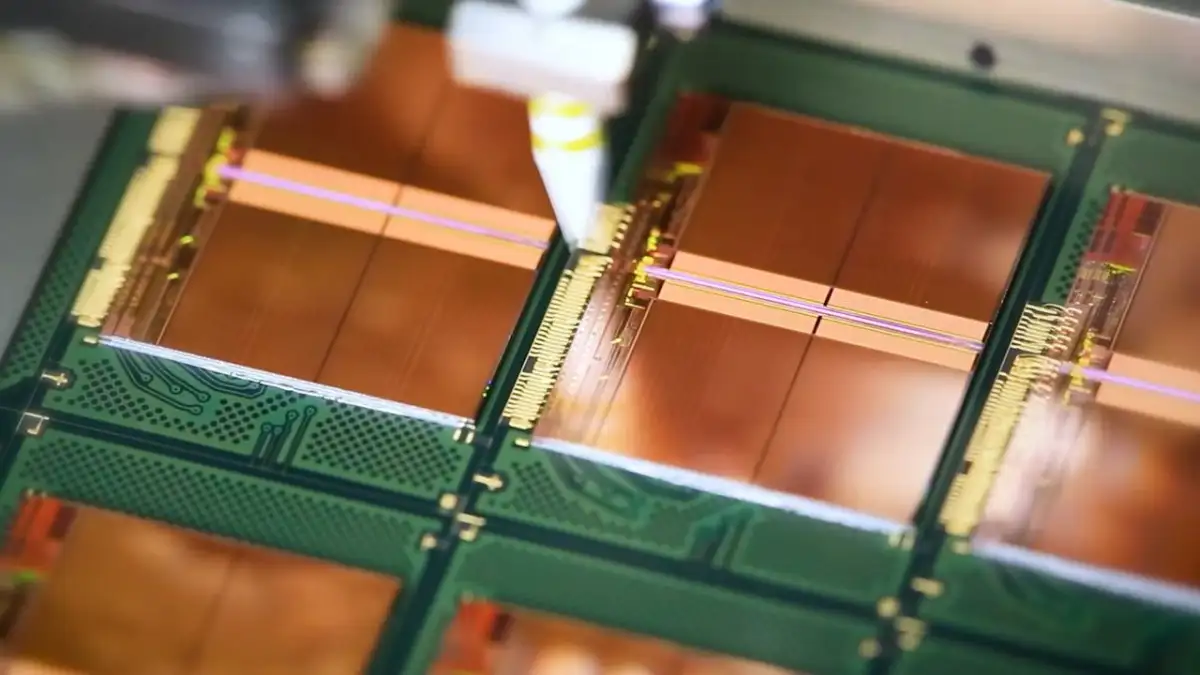
Manufacturers are diverting capacity from standard memory lines to more lucrative HBM and server memory production.
This reallocation creates indirect competition for production capacity, driving up prices for components used in less high-profile applications.
Even companies that previously considered the cost of memory a secondary concern are now finding it a significant bottleneck.
RISC-V EMERGES FROM THE FRINGES
In this environment, the 'RISC-V' instruction set architecture, once a more niche or ideological proposition, is gaining practical traction. Its open-source nature and flexibility are increasingly seen as an advantage in a market where proprietary components are subject to volatile pricing and supply chain disruptions. While not an overnight replacement for established architectures like ARM, RISC-V offers a compelling alternative for device makers seeking greater control over their Bill of Materials (BOM) and a hedge against the current memory market volatility.
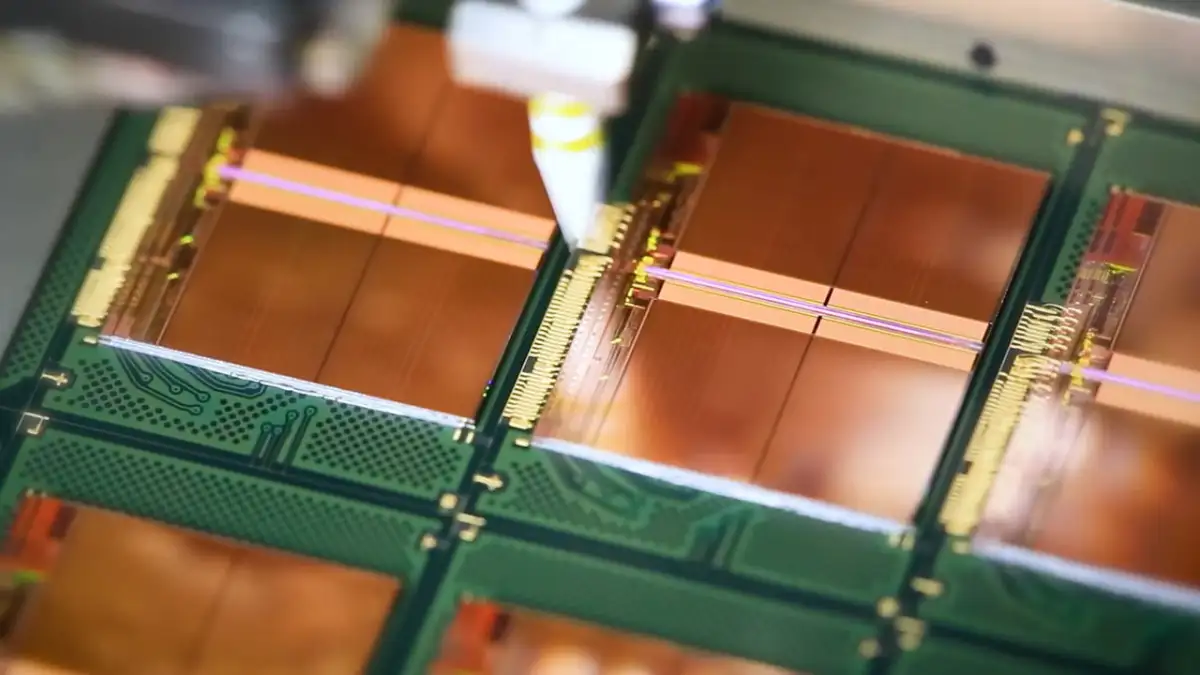
The maturation of the RISC-V ecosystem is a key factor. Recent developments, such as the ratification of the RVA23 profile for 64-bit processors, are laying the groundwork for wider adoption in more demanding applications, including high-performance computing and data centers. This expanding capability broadens RISC-V's appeal beyond its initial embedded systems foothold.
Read More: Wizard of Oz Show at Las Vegas Sphere Boosts Sphere Entertainment Co. Stock
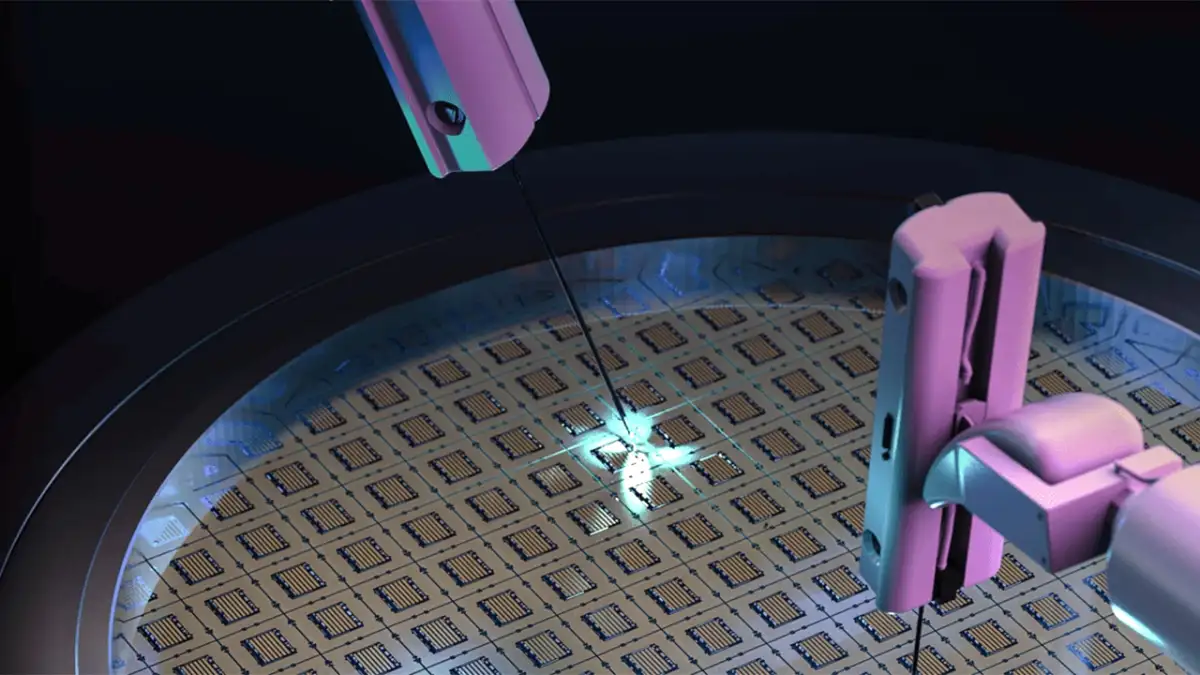
The standardization of RISC-V profiles facilitates the development of more robust and interoperable hardware and software.
This progress encourages innovation and the creation of specialized applications tailored to RISC-V's strengths.
The growing availability of RISC-V development kits and single-board computers, like those from Milk-V and SiSpeed, signifies a tangible increase in accessibility and application.
THE BROADER ECONOMIC TIDES
The current predicament is compounded by a confluence of factors. The insatiable demand for AI processing power is directly fueling the memory shortage, with predictions suggesting these pricing pressures could persist for a decade. This has led to widespread warnings from industry leaders about the potential for widespread disruption, affecting everything from consumer electronics to large-scale data infrastructure.
The "AI giants" are not just buying memory; they are effectively hoarding it to power their intensive computing needs.
This demand surge, coupled with constrained supply, is leading to what some are calling a "pricing apocalypse" for memory and storage.
The narrative around "AI PCs," which rely heavily on advanced memory capabilities, is also being tested by these supply constraints.
A MARKET IN FLUX
The semiconductor industry, traditionally characterized by long development cycles and established players, is undergoing a significant transformation. The rise of RISC-V represents a challenge to the established order, offering a different model for chip design and manufacturing that emphasizes openness and collaboration. Major semiconductor companies are already integrating RISC-V into their strategies, signaling a fundamental shift in the industry landscape.
While the "AI memory crisis" did not initiate the RISC-V movement, it has undeniably accelerated its relevance and adoption. The focus is shifting from an ideological preference to a strategic business decision, where cost-effectiveness and supply chain resilience are paramount. The path ahead for RISC-V in the IoT sector, and potentially beyond, is becoming clearer, albeit with ongoing challenges in its broader ecosystem development and market penetration compared to entrenched alternatives.
Read More: Advantage Controls CEO Acknowledges Long Business Tie in Muskogee Since 1994