ROOTS IN STRUGGLE, CONTINUED CALL FOR EQUALITY
This annual observance, marked on March 8th, traces its origins back over a century to early 20th-century activism by women campaigning for better conditions and rights. Despite the passage of time, the day remains a significant platform for highlighting ongoing gender discrimination and advocating for the advancement of women's rights globally.
The commemoration serves as both a recognition of women's achievements and a stark reminder of the persistent challenges and struggles they face. Sources indicate that gender discrimination continues to impact girls and women across nearly all societies, with threats and backlash undermining their rights worldwide. This enduring need underscores the continued relevance of the day.

The origins of International Women's Day are tied to early labor movements and feminist activism. Russian women, advocating for peace on the eve of World War I, were among the early groups to observe the day. While not an official holiday in the United States, March is recognized as 'Women's History Month', an annual commemoration.
Read More: Man Dies After Setting Fire Outside UN in Protest

SYMBOLS AND GLOBAL REACH
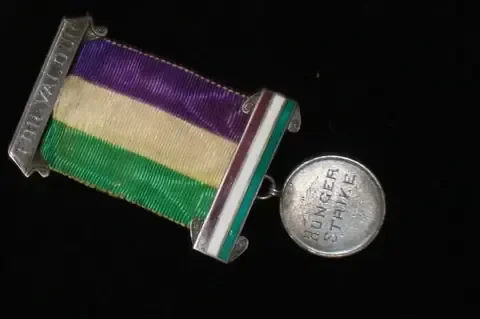
The day is often associated with specific colors – purple, green, and white – which are used to symbolize International Women's Day. The observance is global, with various celebrations and events taking place around the world. The 'UN Women' organization, for instance, spearheads campaigns focusing on "rights, justice and action for all women and girls."
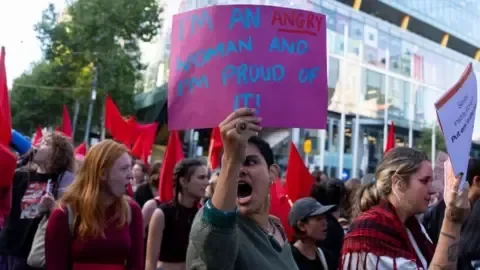
A key aspect highlighted is the disparity in legal rights: currently, women hold only 64 percent of the legal rights afforded to men globally. This statistic underscores the systemic issues that the day seeks to address, calling for action to dismantle discriminatory laws, weak legal protections, and harmful social norms.
BACKGROUND
International Women's Day, first observed more than a century ago, has evolved from its nascent beginnings into a globally recognized event. Its primary purpose remains to honor the social, economic, cultural, and political achievements of women. Simultaneously, it acts as a critical juncture for calling attention to and demanding greater gender equality. The day provides a crucial 'platform to amplify women’s voices and advocate for change'. The persistent need for such a day reflects the ongoing realities of oppression and inequality that have characterized women's experiences in many parts of the world.
Read More: FIFA 2026 World Cup Allows Plastic Bottles After Public Pushback