Intel, a titan in the processor industry, appears to be signaling a shift in its desktop CPU socket strategy, hinting at longer platform support that would allow for multiple processor generations on the same motherboard. This move, if realized, would align Intel more closely with the long-standing approach of rival AMD, which has fostered greater platform continuity for consumers. The potential change addresses a persistent criticism leveled against Intel: its history of introducing new sockets with new CPU architectures, often compelling users to replace motherboards to upgrade their processors. This signals a departure from Intel's established practices and could fundamentally alter the upgrade path for desktop PC enthusiasts and builders.
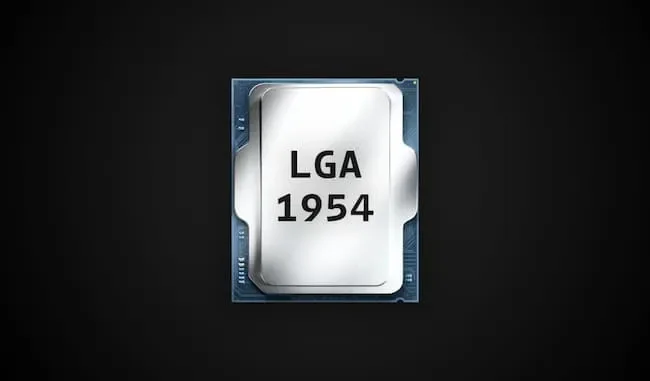
Recent indications suggest that Intel is indeed exploring this new direction. Reports point to a new socket, potentially designated LGA 1954, designed with an extended lifespan in mind. This strategy would offer a more predictable upgrade cycle, potentially reducing costs and simplifying the decision-making process for those looking to enhance their systems over time. The implications extend to the broader ecosystem, with cooler manufacturers reportedly already considering compatibility with future Intel sockets, further streamlining potential upgrades.
Read More: Chrome mimeHandler API lets extensions handle file types
Acknowledging User Feedback
Company representatives, such as Robert Hallock, have publicly acknowledged the feedback from PC builders and enthusiasts regarding platform longevity. This acknowledgment suggests that Intel is actively considering user desires for extended socket support. The emphasis on listening to user input underscores a perceived responsiveness to market demands and a potential recalibration of product strategy to better meet consumer expectations for long-term platform investment.
Historical Context and AMD's Influence
For years, AMD has successfully cultivated user loyalty and platform stability through its socket design, most notably with the AM4 socket, which supported a significant number of processor families over an extended period. This approach has been widely lauded within the DIY desktop community as a benchmark for platform continuity. Intel's prior approach, characterized by more frequent socket changes, has often been viewed as a driver for more costly and comprehensive system upgrades.
Read More: NVIDIA to AMD GPU Switch Needs Full Driver Clean
Future Processors and Platform Evolution
While official confirmation on the exact number of generations supported by any new socket remains absent, rumors suggest that future Intel CPU families, such as Arrow Lake, Nova Lake, and subsequent iterations, may benefit from this extended compatibility. This roadmap, if it materializes as envisioned, could transform Intel's upcoming motherboards into a more enduring investment for consumers seeking to upgrade their processors without necessitating a full platform overhaul. The move towards longer socket lifecycles reflects a broader industry trend where users increasingly prioritize platform longevity and value.