The world of indoor climbing has seen a remarkable expansion, transforming from a niche activity primarily for off-season training into a widespread fitness and recreational pursuit. This growth is reshaping how people engage with climbing and is also having an effect on the traditional outdoor climbing scene. The sport's current accessibility, varied offerings, and communal atmosphere are drawing in a wider demographic, making it a fixture in many urban areas.
The journey of indoor climbing's popularity can be traced back to its roots as a training tool for outdoor climbing. Entrepreneurs and companies began constructing larger, more advanced facilities, making the activity more readily available. The increasing affordability of real estate in cities provided spaces for what are now known as "climbing megagyms." This shift has led to climbing gyms becoming multifaceted venues, often including yoga classes and social areas alongside their climbing walls. The appeal lies in its accessibility, convenience, and the creation of new climbing communities in areas that might lack natural climbing resources.
Read More: FIFA World Cup 2026 Revenue Reaches $15 Billion With New Ticket Prices

Evidence of this ascent includes:
The growth of indoor climbing gyms, with some becoming significant facilities.
The sport's transition from a specialized activity to a mainstream craze.
The increase in interest in rock climbing and bouldering over the past decade.
Shifting Dynamics of the Sport
The expansion of indoor climbing has introduced a different experience compared to traditional outdoor rock climbing. While indoor climbing offers a controlled environment, free from weather constraints and requiring no prior experience, it differs from the challenges and risks associated with outdoor ascents. Approximately 30 deaths occur annually in outdoor rock climbing. However, skills developed indoors are considered transferable to outdoor environments.
The business models of climbing organizations have adapted to this growth. Modern climbing gyms are now comprehensive fitness centers, often featuring amenities like yoga studios and social spaces, in addition to their climbing structures. This evolution has made a physically engaging activity accessible to a much larger portion of the population.

Key observations regarding this shift include:
Accessibility: Indoor gyms bring climbing to people who may not live near mountains or established climbing areas.
Adaptation: Businesses have evolved to cater to a broader audience and incorporate diverse offerings.
Skill Transfer: Knowledge gained indoors is generally applicable to outdoor climbing.
The Rise of Climbing Communities and Infrastructure
The proliferation of climbing gyms has been instrumental in cultivating and even creating climbing communities. In areas where outdoor climbing was not prevalent, these indoor spaces have become focal points for enthusiasts. This has led to the development of substantial, state-of-the-art climbing facilities. The cost of setting up these indoor walls, even advanced training boards, is often more economical than permanent outdoor installations.
Read More: Libby Park District Stops Swim Pond Funding Plan After Public Pushback
The journey from initial interest to dedication can be rapid. For many, successfully completing an indoor route, known as "sending a problem," marks a significant point of engagement. This highlights the effective design of these gyms in fostering a sense of accomplishment and community involvement.

The growth of climbing communities is characterized by:
Community Building: Gyms serve as hubs for social interaction and shared interest in climbing.
Infrastructure Development: Investment in large-scale, modern climbing facilities has increased.
Engagement: Indoor climbing provides clear goals and rewards, encouraging participation.
Inclusivity and Broader Appeal
Indoor climbing is increasingly recognized for its inclusivity, welcoming individuals of all levels, from complete novices to experienced climbers. This broad appeal is a significant driver of its growing popularity. The sport offers a comprehensive physical workout that engages the entire body without relying solely on brute strength. Parents are actively enrolling their children in climbing programs, indicating a generational adoption of the activity.
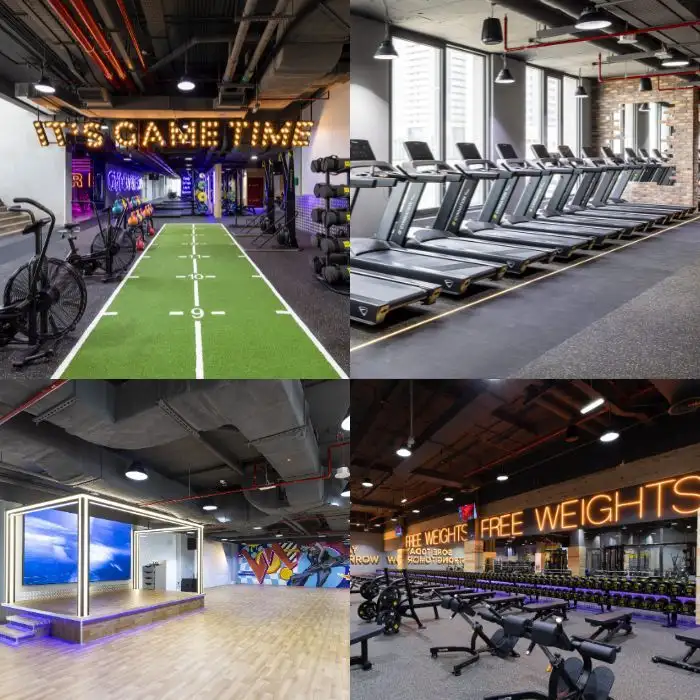
Furthermore, indoor climbing is not dictated by weather conditions, offering a consistent opportunity for activity. Mentally, it promotes focus and mindfulness. While some highly specialized indoor training setups might not appeal to veteran climbers focused on outdoor preparation, the general accessibility and engagement of indoor climbing have firmly established it as a mainstream fitness and recreational option, requiring no geographical proximity to natural climbing sites.
Read More: England World Cup Match: Pubs Open Until 5 AM Monday
Factors contributing to its inclusive nature include:
Weather Independence: Year-round access to climbing.
Holistic Benefits: Promotes physical fitness, mental focus, and mindfulness.
Programmatic Access: Structured programs for various age groups.
Innovation and Future Trajectories
The evolution of indoor climbing is also marked by technological advancements and innovations. Adaptive climbing technology is enhancing accessibility for individuals with disabilities, further broadening the sport's reach. Developments in virtual reality are also revolutionizing training and the overall experience of indoor climbing.
The growth of indoor climbing has, in turn, influenced the outdoor climbing community, though the specific nature of this impact is a subject of ongoing observation. The history of indoor climbing shows a significant development from its beginnings in the late 20th century to its current status, driven by continuous innovation.
Key areas of innovation include:
Adaptive Technology: Making climbing more accessible to people with diverse physical needs.
Virtual Reality: Enhancing training and immersive experiences.
Ongoing Evolution: Continuous development shapes the future of the sport.
Expert Perspectives
Insights from those involved in the climbing world suggest:
"Nothing learned while climbing indoors has to be unlearned while climbing outside." - Graybeal, as cited in Article 1.
Climbing gyms have successfully made a healthy activity accessible to a large segment of the population. - Mahoney, as cited in Article 1.
Modern competition-style climbing gyms may not align with the training preferences of veteran climbers focused on outdoor challenges. - Dunlap, as cited in Article 4.
Conclusion and Implications
The transition of indoor climbing from a niche training method to a mainstream recreational activity is evident across multiple facets of the sport. Its increasing accessibility, driven by urban infrastructure and diverse gym offerings, has cultivated robust communities. Innovations in technology and a focus on inclusivity, catering to all ages and abilities, are further solidifying its popular appeal. While indoor climbing provides a safe and controlled environment, its growth is also prompting a reevaluation of its relationship with traditional outdoor climbing. The expansion signals a significant shift in fitness culture, demonstrating the sport's capacity to engage a broad audience through physical challenge and social connection, irrespective of geographical limitations.
Read More: Connor Bedard contract talks and Leo Carlsson offer sheet impact NHL
Sources Used:
Article 1: The indoor climbing industry is booming, but the transition has changed the sport
Published: Feb 13, 2024
Link: https://mediahub.unc.edu/climbings-indoor-to-outdoor-transition/
Article 2: How climbing gyms took over the world
Published: Oct 17, 2025
Link: https://thehustle.co/originals/how-climbing-gyms-took-over-the-world
Article 3: From Niche Sport to Mainstream Craze: The Rise of the Indoor Climbing Gym | GymNation
Published: Oct 17, 2025
Article 4: Indoor climbing ascends in popularity
Published: Feb 6, 2025
Article 5: The Growing Popularity of Indoor Rock Climbing - Fashionably Latent
Published: Jul 10, 2025
Link: https://fashionablylatent.com/the-growing-popularity-of-indoor-rock-climbing/
Article 6: Reach New Heights: The Rise of Indoor Rock Climbing - Fair & Moore UK
Published: May 8, 2025
Link: https://fairmoore.co.uk/reach-new-heights-the-rise-of-indoor-rock-climbing/
Article 7: The Future of Indoor Climbing: Trends and Innovations - Rock Climbing
Published: Jun 23, 2024
Link: https://studyrockclimbing.com/the-future-of-indoor-climbing-trends-and-innovations/