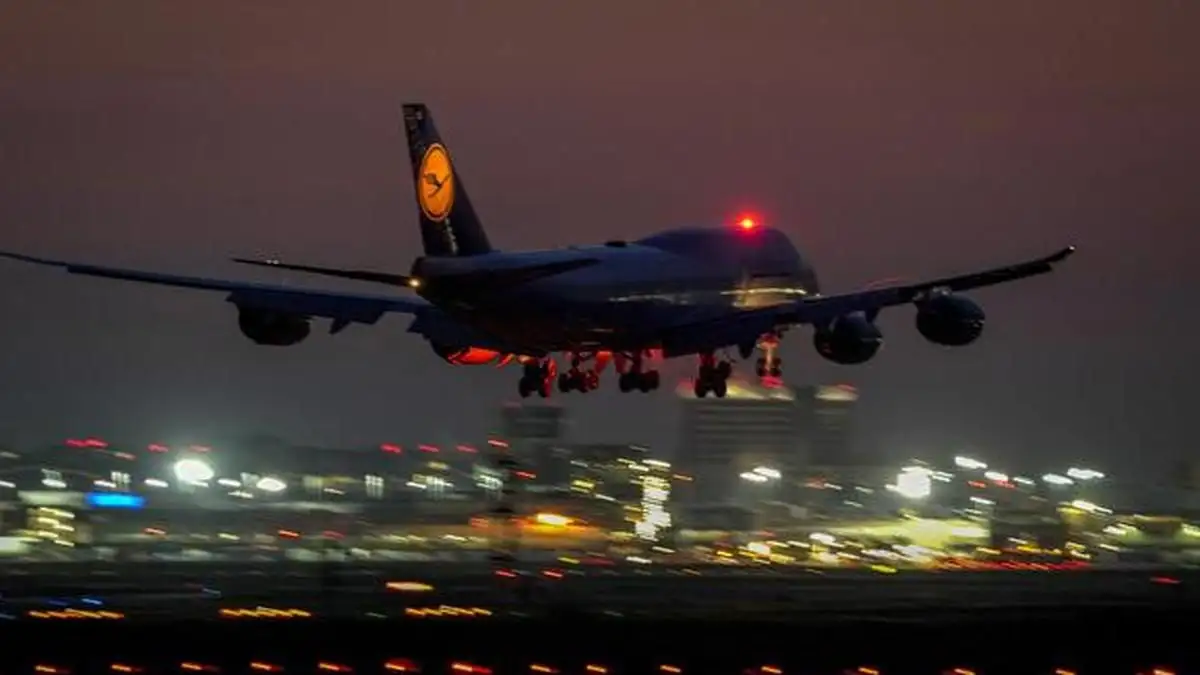
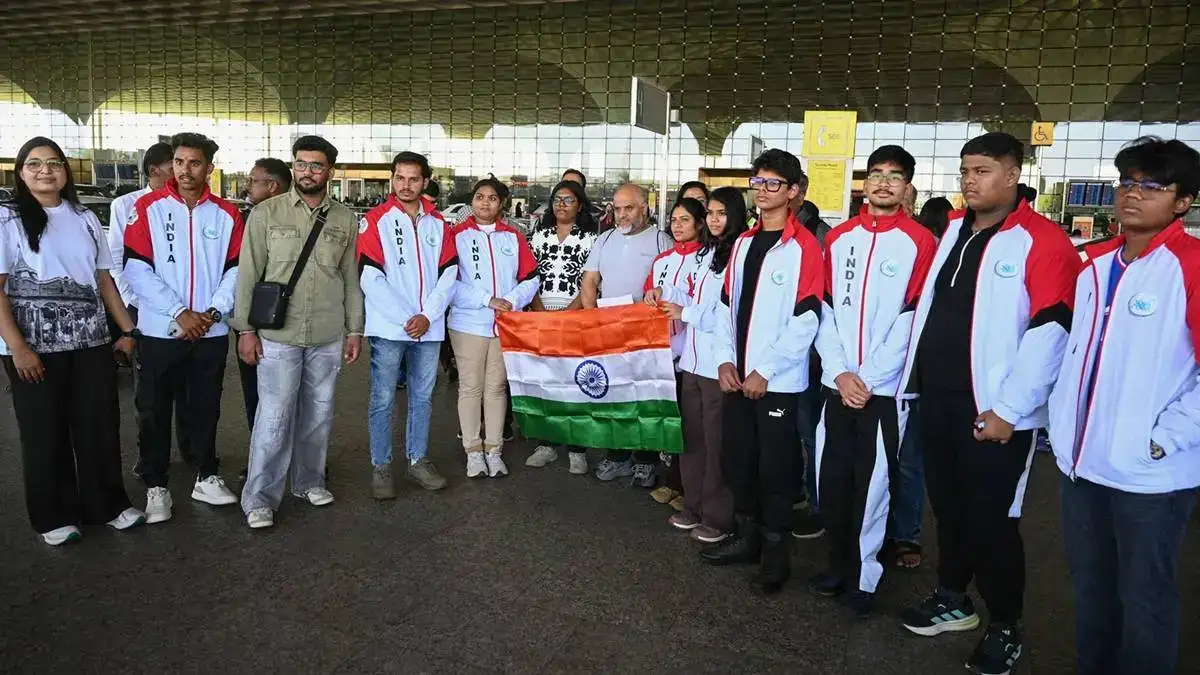
Over 52,000 Indian nationals have returned to India between March 1 and March 7, a period marked by a partial opening of airspace amid escalating conflict in West Asia. This significant movement of people occurred as tensions intensified between the U.S., Israel, and Iran, leading to retaliatory strikes across the region.

A substantial portion, specifically 32,107 individuals, travelled on Indian carriers, indicating a concerted effort to facilitate repatriation through national airlines. The Ministry of External Affairs (MEA) stated that the safety and welfare of Indian citizens abroad remain a "utmost priority" for the government.

Indian missions in affected areas have activated 24x7 helplines and issued detailed advisories, urging citizens to contact them directly for guidance, especially in locations where commercial flight operations were disrupted. The government maintains it is "continuously monitoring the evolving situation" and engaging with regional governments to assist those in need.
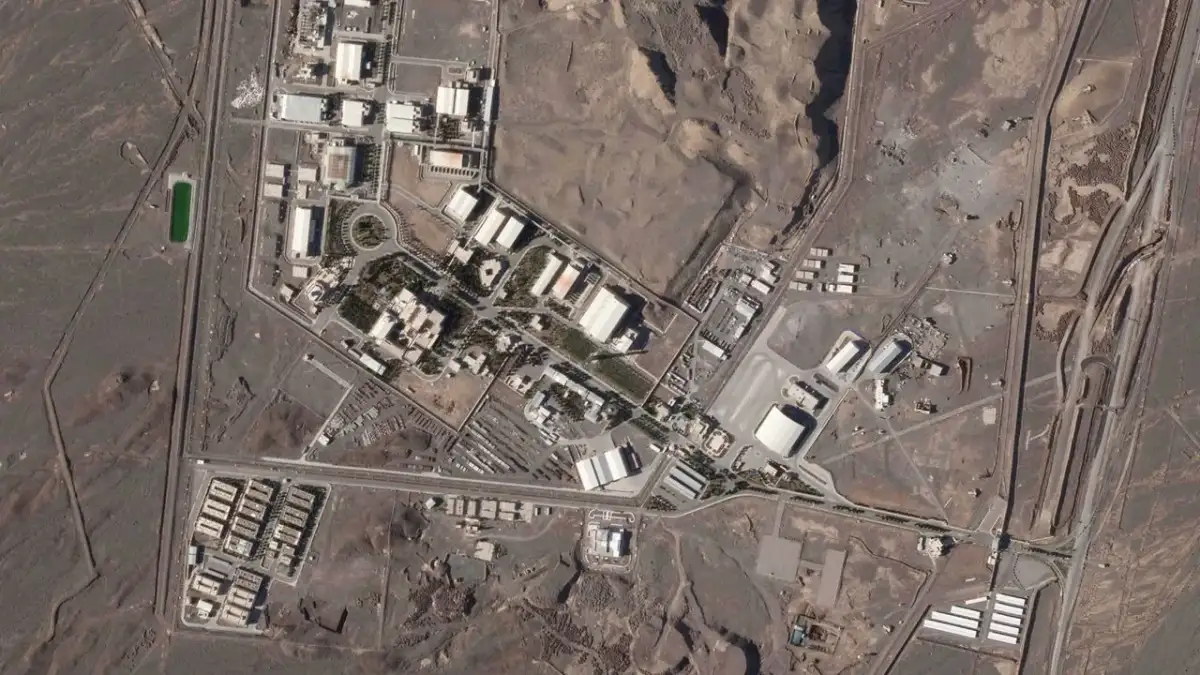
Read More: Iran Zagros Mountain Nuclear Site Construction Update April 2026
Context of Departure
The exodus coincides with a volatile geopolitical climate. The U.S. and Israel have continued bombardments on Iranian targets, while Iran has retaliated with strikes against Israeli positions and U.S. military bases. This cycle of escalation has heightened security concerns and created immediate risks for nations reliant on regional stability, including India.
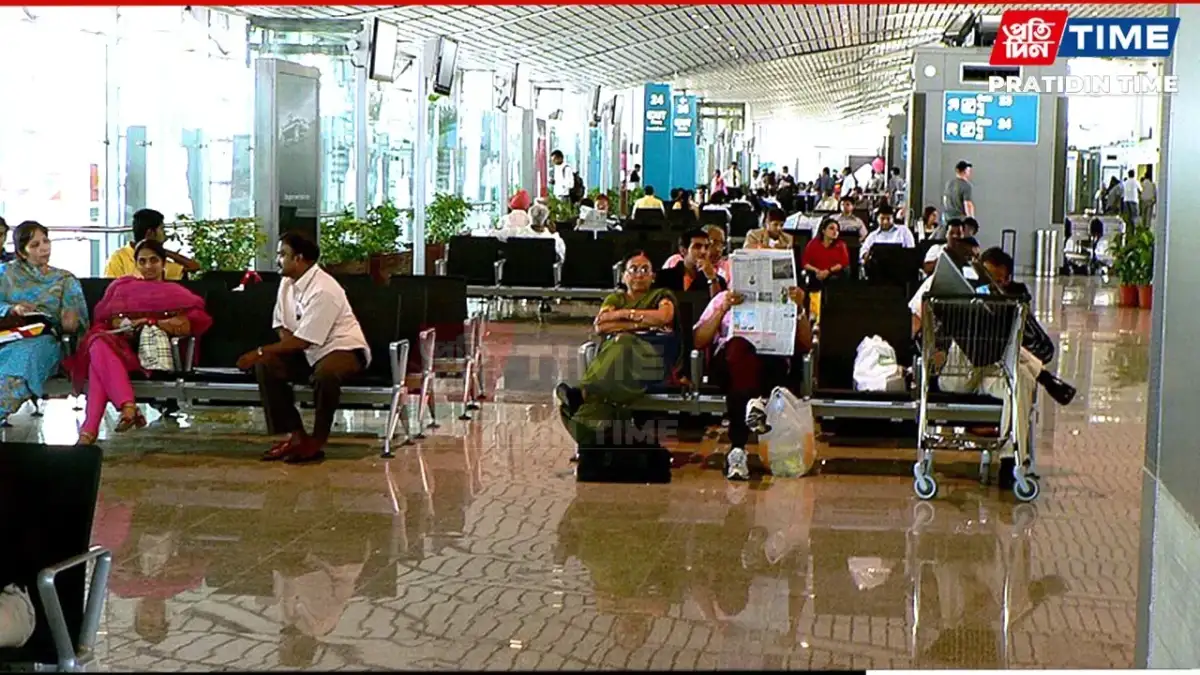
The operation, described as a "massive week-long operation" and a "significant logistical achievement," aimed to assist Indians who were stranded in transit or during short-duration visits to the Gulf region.
Official Channels and Advisories
The MEA, through its spokesperson Randhir Jaiswal, has been providing updates on the situation. Advisories disseminated by the ministry and Indian embassies emphasize registering with local missions for those in areas with unavailable commercial flights. The focus remains on identifying and facilitating "nearest available flight options."
Wider Ramifications
Beyond the direct impact on Indian citizens, the conflict has also disrupted 'energy flows' and generated broader economic concerns due to its destabilizing effect on the wider region.
Read More: West Asia Crisis Cuts Flights to Bengaluru, Mangaluru in March
Background
The conflict in West Asia has seen Iran retaliate with missile strikes on Israel and American bases, drawing in regional states. This escalation follows earlier attacks, intensifying the geopolitical friction. The Indian government's response underscores its ongoing commitment to its diaspora amidst such crises, a recurring theme in its foreign policy engagements. The timeframe of March 1-7 points to a concentrated effort to extract citizens following specific, critical developments in the regional security landscape.