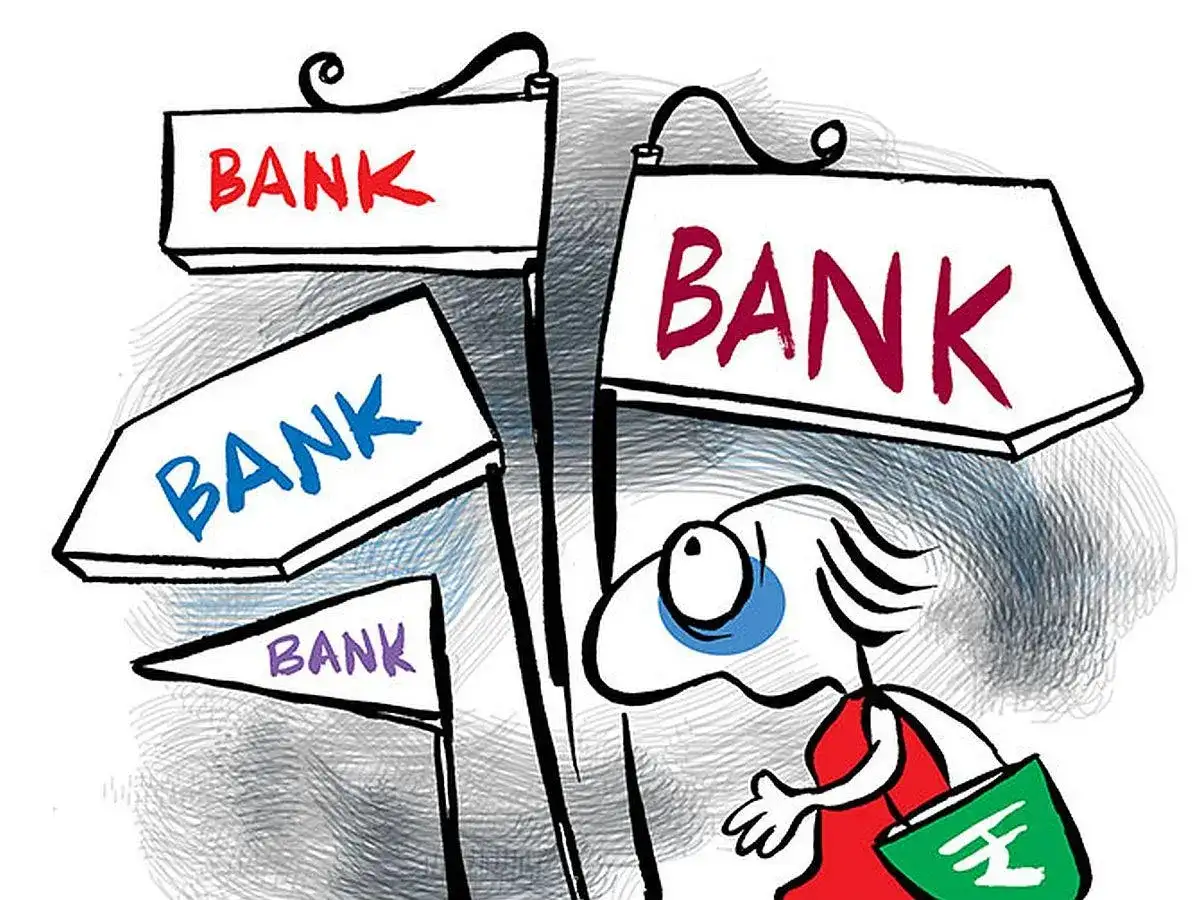
State-owned lenders are moving to sell large volumes of debt marketed as environmentally conscious. Union Bank of India is currently preparing to raise roughly ₹10,000 crore through these specialized bonds. Close behind, the State Bank of India (SBI) is signaling a move to capture ₹7,500 crore from the same pool of capital.
The sudden activity follows a successful debt sale by Bank of Baroda, which appears to have proven that investors are willing to pay for the "green" designation.
The Scale of the New Ledger
Three sources familiar with the internal planning have noted that these state-run institutions are eager to replicate the recent success of their peers. The shift suggests a pivot in how these massive bureaucracies seek to fund their operations, moving away from traditional bond structures toward ones that claim a focus on earth-friendly projects.
Union Bank of India is the most aggressive in this current wave, seeking the largest sum.
State Bank of India remains a heavy participant, looking to solidify its position in the Green Bond market.
Other public sector lenders are currently watching these maneuvers, waiting to see if the market's hunger for these specific Bonds remains consistent or if it is a brief period of excitement.
| Bank | Targeted Raise (Estimated) | Status |
|---|---|---|
| Union Bank of India | ₹10,000 Crore | Planning |
| State Bank of India | ₹7,500 Crore | Planning |
| Bank of Baroda | Varies | Completed / Success Trigger |
The Momentum of Labeling
The rush is not an isolated event but a reaction. When Bank of Baroda successfully tapped into the market, it signaled to the rest of the state-owned banking sector that the "green" label functions as a functional tool for gathering cash.
Read More: Lloyds Bank Sets £700 Cash Limit for Branch Withdrawals
This is a calculated expansion of the balance sheet. The banks are not just looking for money; they are looking for the specific type of money that comes with the optics of Public Lenders supporting a cleaner industrial output.
Background: The Green Debt Framework
Green bonds are essentially loans taken by banks from the public or institutional investors, where the money is supposedly earmarked for projects like wind farms, solar grids, or water recovery. For the banks, these bonds offer a way to diversify who they owe money to, while for the investors, it provides a way to park wealth in assets that look better on a social report.
As the NTPC Share Price and other energy-related stocks fluctuate, the banks see a fixed-income path to participate in the energy shift without the direct volatility of the stock market. The current trend suggests that the state-run banking sector is no longer content with traditional debt and is now aggressively pursuing the premium associated with environmental signaling.
Read More: India IVF Costs And Social Barriers Limit Access In April 2026