The Siliguri Corridor, a vital but narrow land link connecting mainland India to its northeastern states, is becoming the focus of a significant infrastructure project. Indian Railways is undertaking the construction of an underground railway line aimed at bolstering connectivity and national security in this strategically sensitive region, often referred to as India's "Chicken's Neck."
The project involves building approximately 35.76 kilometers of underground rail tracks between Dumdangi and Bagdogra. This development aims to create a more secure and resilient transportation route, addressing vulnerabilities associated with the region. The narrow width of the Siliguri Corridor, approximately 22 kilometers, underscores its critical importance and inherent strategic sensitivity.

Background and Strategic Importance
The Siliguri Corridor is a slender strip of land that serves as the sole land connection between India's mainland and its eight northeastern states. It is bordered by Nepal and Bhutan to the north, Bangladesh to the south, and the Siliguri city area of West Bengal. Its geographical configuration makes it a crucial artery for both civilian and military logistics.
Read More: Two building collapses in India kill 6 people
Connectivity: The corridor connects mainland India with Sikkim, West Bengal, Assam, Arunachal Pradesh, Nagaland, Manipur, Mizoram, and Tripura.
Geopolitical Significance: It also acts as a transit point for trade and movement with neighboring countries like Nepal, Bhutan, and Bangladesh.
Military Buffer: The region serves as an eastern military buffer, enabling rapid deployment of troops towards the Line of Actual Control (LAC) in Sikkim and Arunachal Pradesh.
Recent developments highlight a perceived increase in geopolitical tensions in the region, with reports mentioning a potential military-strategic axis involving Bangladesh, Pakistan, and China, underscoring the need for strengthened defenses and robust infrastructure.
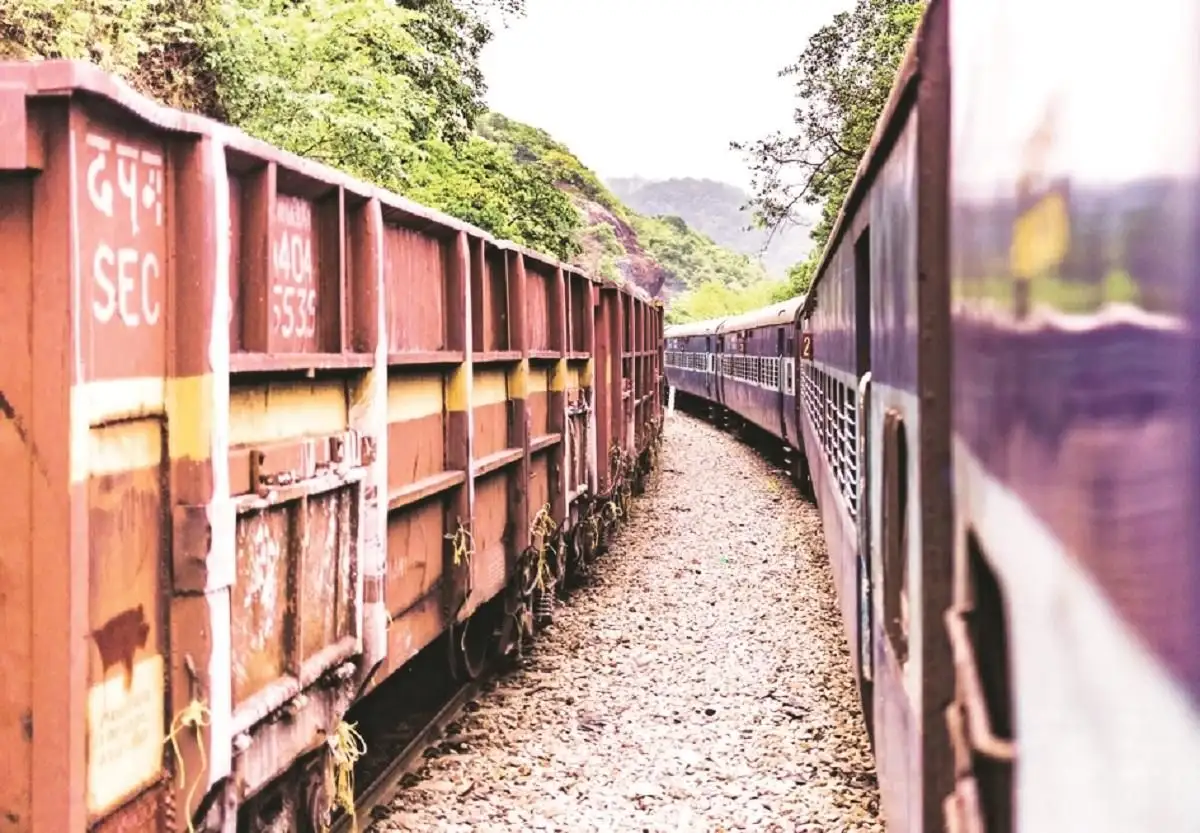
The Underground Rail Project Details
The new underground railway line is part of a larger vision to fortify the Siliguri Corridor. The project, managed by the Katihar Division of Northeast Frontier Railway, will run from Tinmile Hat to Rangapani and then extend to Bagdogra.
Route: The planned alignment passes through areas including Darjeeling district (West Bengal), Uttar Dinajpur district (West Bengal), and Kishanganj district (Bihar).
Length: The total underground stretch is 35.76 km, with the Dumdangi–Rangapani section accounting for 33.40 km.
Depth: The tracks are planned at a depth of 20 to 24 meters below ground level. This depth is intended to make them less susceptible to surface-level threats and blast impacts, ensuring continued operation even in hostile conditions.
Resilience: Building tunnels deep underground is a more expensive and technically challenging undertaking than surface construction. However, this approach is expected to reduce future costs related to repairs, security upgrades, and emergency responses.
Union Minister for Railways, Ashwini Vaishnaw, has stated that the project is designed to ensure secure, reliable, and uninterrupted rail connectivity. He described the underground line as a reflection of the railways' commitment to strengthening strategic infrastructure. Assam Chief Minister Himanta Biswa Sarma has welcomed the project, terming it a strategic move to address long-standing vulnerabilities.

Strategic Considerations and Future Implications
The decision to build an underground railway line in the Siliguri Corridor signifies a strategic shift in hardening critical transport links. This approach aims to mitigate risks associated with potential blockades, sabotage, or external aggression.
Read More: Acting DNI Pulte Fires Dozens of Intelligence Officials Starting Thursday
Enhanced Security: An underground network provides a layer of security against surface-level threats.
Uninterrupted Connectivity: The project is designed to ensure that rail operations can continue even under adverse circumstances, maintaining the vital link to the Northeast.
Economic Integration: Beyond security, improved connectivity is expected to boost the movement of goods and passengers, fostering economic integration of the Northeast with the rest of India.
The project is part of a broader infrastructure development initiative in the region, with railway projects worth significant amounts currently underway in West Bengal. While additional surface tracks are also being laid to increase capacity, the underground component represents a deliberate effort to create a resilient and secure transportation backbone.
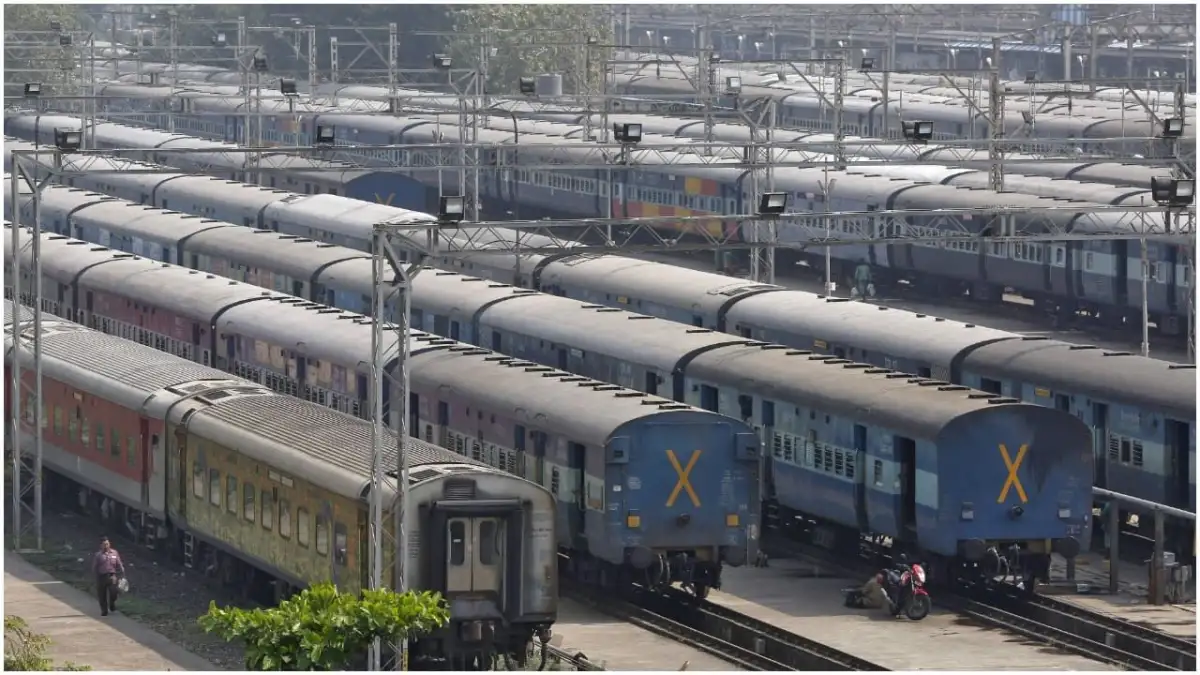
"The Union Minister for Railways… said that the project is designed to ensure secure, reliable and uninterrupted rail connectivity in this strategically sensitive region." - The Times of India
"The alignment is planned at a depth of around 20 to 24 metres below ground level, placing the tracks beyond easy detection and reducing vulnerability to surface-level threats or blast impact." - The New Indian Express
Expert and Political Perspectives
The project has garnered support from political leaders, who view it as a crucial step for national security and regional development.
Union Home Minister Amit Shah has previously reiterated India's claim over the Siliguri Corridor, emphasizing its sovereignty and inalterability.
Assam Chief Minister Himanta Biswa Sarma lauded the project, stating it addresses a long-standing concern and provides a secure transport route. He credited Prime Minister Narendra Modi and Minister Vaishnaw for prioritizing the issue.
The underground rail project aligns with India's broader goal of improving connectivity and economic integration, particularly with the Northeast. It is also viewed as a proactive measure in response to the evolving geopolitical landscape in the region.
Sources
Timesnownews.com: India Fortifies ‘Chicken Neck’ With 35.76 Km Underground Rail Line Through Siliguri Corridor - https://www.timesnownews.com/business-economy/industry/india-fortifies-chicken-neck-with-35-76-km-underground-rail-line-through-siliguri-corridor-article-153605238
The Times of India: Connectivity boost for 'Chicken neck'! Indian Railways announces underground rail route through Siliguri Corridor; check route and key details - https://timesofindia.indiatimes.com/business/infrastructure/connectivity-boost-for-chicken-neck-indian-railways-announces-underground-rail-route-through-siliguri-corridor-check-route-and-key-details/articleshow/128296663.cms
New Indian Express: Why India is taking its most vital rail link deep underground at the Chicken’s Neck - https://www.newindianexpress.com/nation/2026/Feb/04/why-india-is-taking-its-most-vital-rail-link-deep-underground-at-the-chickens-neck
Business Standard: Why underground rail link at 'Chicken's Neck' is strategic for Northeast - https://www.business-standard.com/india-news/underground-rail-link-chickens-neck-strategic-for-northeast-1260203017141.html
Business Today: Siliguri corridor to get underground rail: India's 'special planning' to connect Northeast - https://www.businesstoday.in/india/story/siliguri-corridor-to-get-underground-rail-indias-special-planning-to-connect-northeast-514606-2026-02-04
Indian Masterminds: Explained: How India’s Underground Rail Project Will Strengthen the Chicken’s Neck Siliguri Corridor - https://www.indianmasterminds.com/news/india-siliguri-corridor-underground-rail-project-182619/
India Today: Siliguri Corridor | A more muscular chicken’s neck - https://www.indiatoday.in/magazine/defence/story/20251222-siliguri-corridor-a-more-muscular-chickens-neck-2834912-2025-12-13
InsightsonIndia: Siliguri Corridor - https://www.insightsonindia.com/2025/11/17/siliguri-corridor/