Union Finance Minister Nirmala Sitharaman engaged in a series of significant bilateral meetings in Munich, Germany, this week. Her discussions centered on strengthening economic ties, particularly concerning the EU-India Free Trade Agreement (FTA), and exploring investment opportunities in India. The meetings took place on the sidelines of the Munich Security Conference, a prominent global forum for security and strategic dialogue.
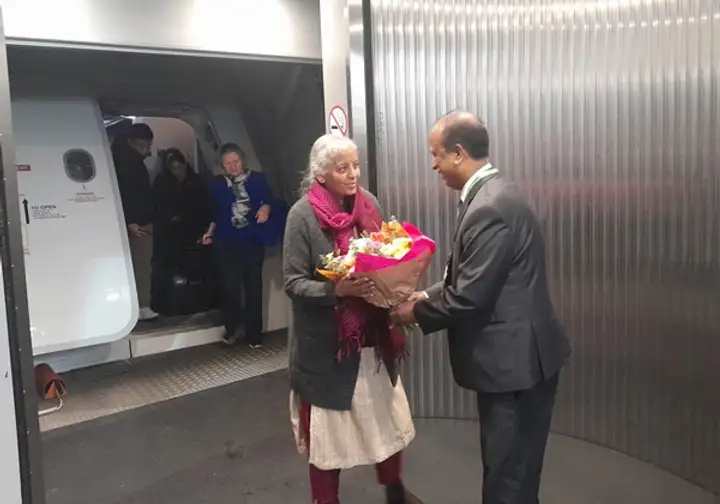
Context of Engagements
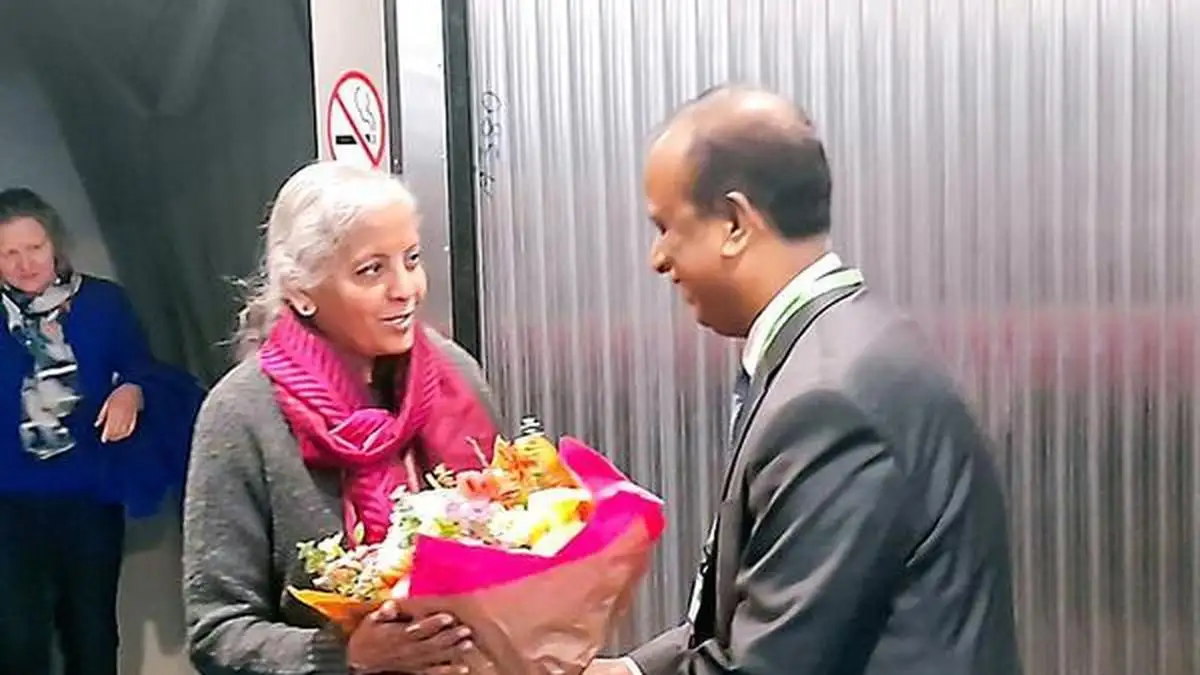
Minister Sitharaman's visit to Munich was timed to coincide with the Munich Security Conference (MSC). The conference itself provides a platform for leaders to discuss pressing global issues and foster cooperation.
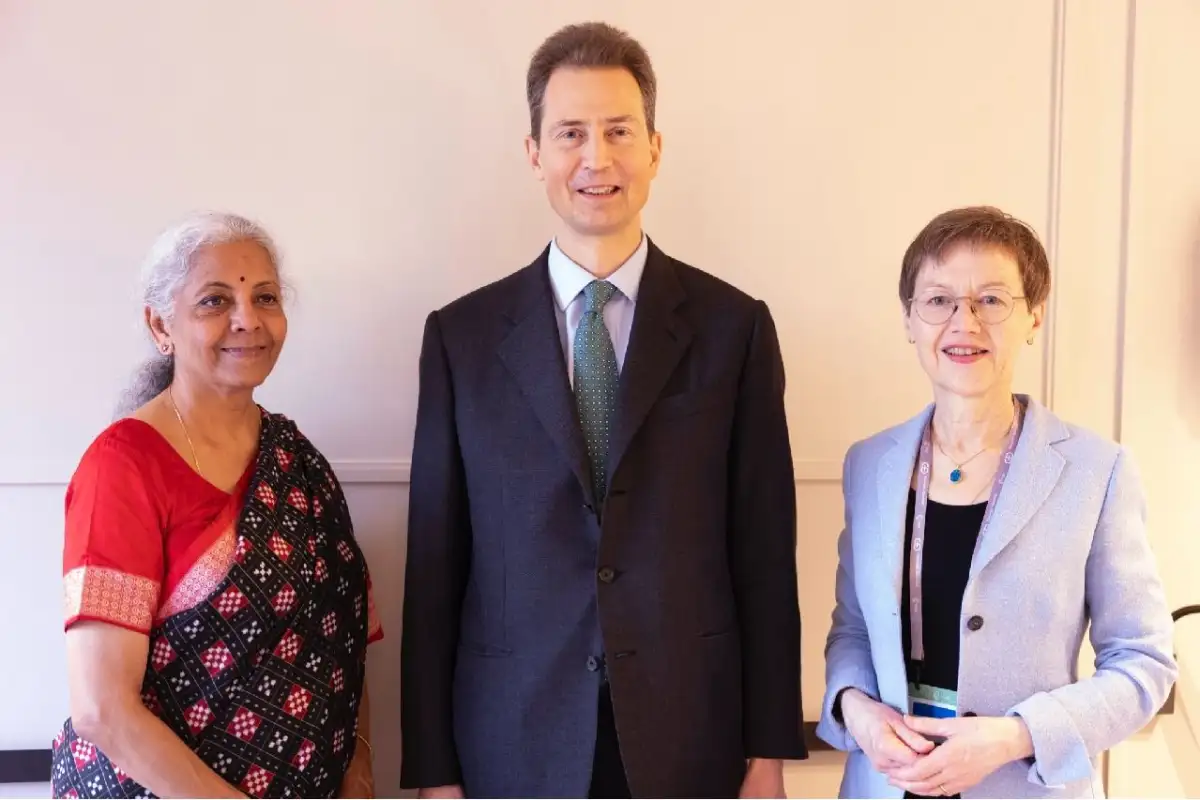
Key Attendees: Sitharaman met with various high-profile figures. These included:
Christine Lagarde, President of the European Central Bank (ECB).
Lars Klingbeil, Vice Chancellor and Federal Minister of Finance of Germany.
Eric Beisswenger, Bavarian Minister for European and International Affairs.
Brigitte Haas, Prime Minister of Liechtenstein.
Hereditary Prince Alois of Liechtenstein.
Oliver Zipse, Chairman of the Board of Management of BMW AG.
Bilateral Focus: Beyond the MSC, Sitharaman held separate bilateral meetings with ministers and counterparts from different nations, as well as leaders of multilateral organizations.
Discussions and Agreements
The core of Sitharaman's discussions revolved around fostering economic cooperation and highlighting India's economic progress.

EU-India FTA: A central theme was the role of the ECB in facilitating trade under the proposed EU-India FTA. Sitharaman emphasized the potential benefits of this agreement for both India and the European Union.
Investment Opportunities: The Finance Minister presented India as an attractive destination for investment, referencing recent economic reforms and stressing policy continuity and stability.
Digital Public Infrastructure: Sitharaman showcased India's success in digital payment systems and expressed India's willingness to share its digital public infrastructure and digital stack expertise with Germany.
Bilateral Relations: Discussions with German officials, including Lars Klingbeil, also touched upon the positive momentum in India-Germany relations, stemming from the January meeting between Prime Minister Narendra Modi and Friedrich Merz, which bolstered cooperation in defense, trade, and technology.
Liechtenstein Discussions: Meetings with the Prime Minister and Hereditary Prince of Liechtenstein focused on India's economic opening and stable policy environment.
Expert Analysis
The strategic importance of these engagements in Munich cannot be overstated. By participating in the Munich Security Conference and holding numerous bilateral meetings, India, through its Finance Minister, signaled its commitment to global economic dialogue and bilateral partnerships.
Read More: Solaris Energy SEI Stock Price Forecast Reaches $91.98 by July 2027
"The engagement highlights India's proactive approach to leveraging international platforms for economic diplomacy. The emphasis on digital public infrastructure and the EU-India FTA signifies a forward-looking strategy to integrate India more deeply into the global economic architecture."
The selection of meetings, from European financial institutions to German government officials and corporate leaders, suggests a multifaceted strategy to enhance trade, investment, and technological collaboration. The consistent mention of policy stability and reform in India aims to reassure international partners of India's reliable economic climate.
Conclusion and Implications
Minister Nirmala Sitharaman's visit to Munich served as a critical juncture for advancing India's economic agenda on the global stage. The bilateral meetings facilitated a deeper understanding of mutual interests, particularly in trade and investment, and underscored India's readiness to share its technological advancements.
Key Takeaways:
Strengthened dialogue on the EU-India FTA and the ECB's role.
Highlighting India's economic reforms and investment potential.
Commitment to sharing digital public infrastructure expertise.
Reinforced bilateral ties with Germany and other European nations.
Future Outlook: The discussions initiated in Munich are expected to pave the way for more concrete economic collaborations and investment flows. The focus on policy stability and reform continues to be a cornerstone of India's engagement with international economic partners.
Sources:
The Economic Times: https://economictimes.indiatimes.com/news/india/nirmala-sitharaman-holds-key-bilateral-meetings-in-munich-highlights-investment-opportunities/articleshow/128371635.cms
New Kerala: https://www.newkerala.com/news/a/nirmala-sitharaman-holds-key-bilateral-meetings-munich-highlights-201.htm
Zee Business: https://www.zeebiz.com/india/news-india-germany-relation-viksit-bharat-fm-sitharaman-bilateral-meetings-390453
AP7AM: https://www.ap7am.com/en/120478/fm-sitharaman-discusses-india-eu-fta-investments-with-top-leaders-in-germany
The Hindu: https://www.thehindu.com/news/national/nirmala-sitharaman-holds-key-bilateral-meetings-in-munich-highlights-investment-opportunities/article70634606.ece
The Tribune: https://www.tribuneindia.com/news/world/nirmala-sitharaman-arrives-in-munich-for-security-conference-2026/
National Express: https://www.nationalexpress.in/post/fm-nirmala-sitharaman-to-participate-in-key-engagements-at-munich-security-conference