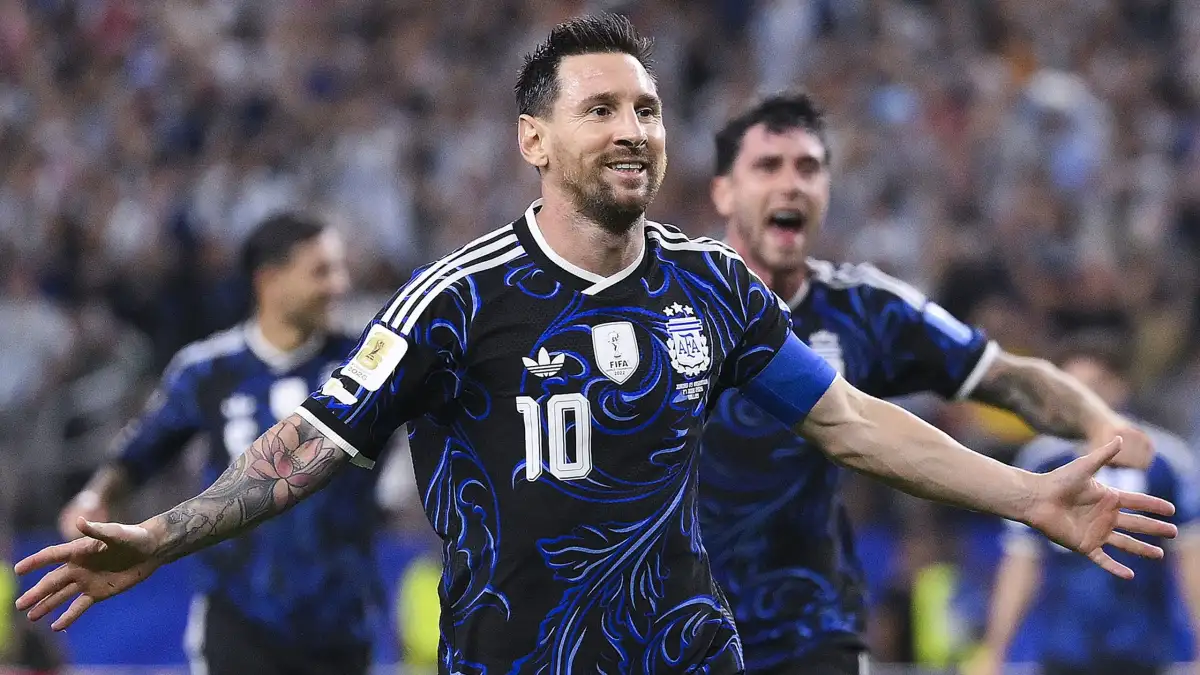
A Resurgence of Fandom and Cultural Immersion
Across India, particularly in regions like Kerala and West Bengal, the approach of the FIFA World Cup 2026 signals more than just a sporting event; it marks a cultural homecoming. As the tournament nears, there's a palpable stir marked by — fan clubs reactivating, clandestine midnight screenings being organized, jubilant bike rallies forming, and WhatsApp groups buzzing with renewed energy. This quadrennial surge in football fervor transforms cities into vibrant arenas of collective enthusiasm, with local stores gearing up by stocking up on essential fan merchandise: jerseys, flags, boots, and balls. The passion extends to adopting the iconic hairstyles of footballing legends, from Baggio to Ronaldo, reflecting a deep personal connection to the sport's global icons.
The World Cup, in essence, is treated not just as a spectacle but as a temporary, unifying escape, deeply interwoven with the fabric of Indian fan culture, transcending mere spectating to become an immersive experience.
Read More: FIFA World Cup 2026 Revenue Reaches $15 Billion With New Ticket Prices
Sports Stars Embrace the Football Frenzy
The allure of football even draws in India's celebrated cricketers. Stars like Virat Kohli, known for his admiration of Ronaldo, and MS Dhoni, who once showcased goalkeeping skills on the school football field, exemplify this crossover appeal. Even everyday sporting debates between fans of cricketers often find their way into passionate discussions about football allegiances and star players, highlighting the pervasive influence of the sport. Kohli himself is noted for closely following clubs like Liverpool FC and vocally backing Lionel Messi.
A World Cup of Layers and New Frontiers
The 2026 FIFA World Cup is set to be the most expansive edition yet, with an expanded format featuring more teams, games, and host cities across Mexico, Canada, and the USA. Beyond the sheer scale, the tournament is evolving into a more culturally nuanced and interconnected event. FIFA's own platforms are already highlighting emerging stars like Moises Caicedo, anticipating a shift towards 'player-first' fandom where following individual talents takes precedence over just scores. Brands are recognizing this shift, understanding that connecting with fans requires embracing local cultures and authentic engagement.
Read More: Egypt Player Hany Makes World Cup History With Two Own-Goals
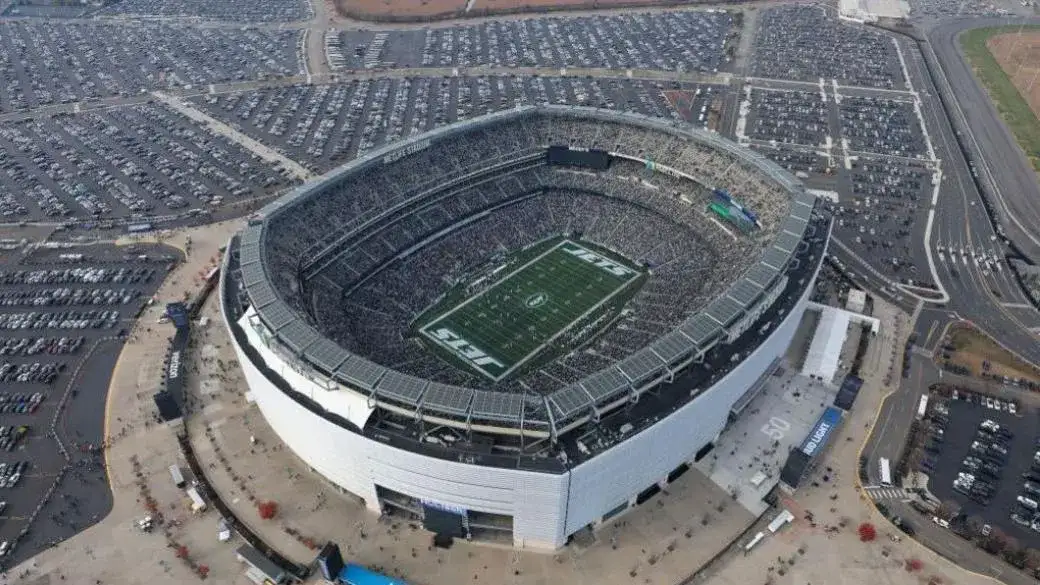
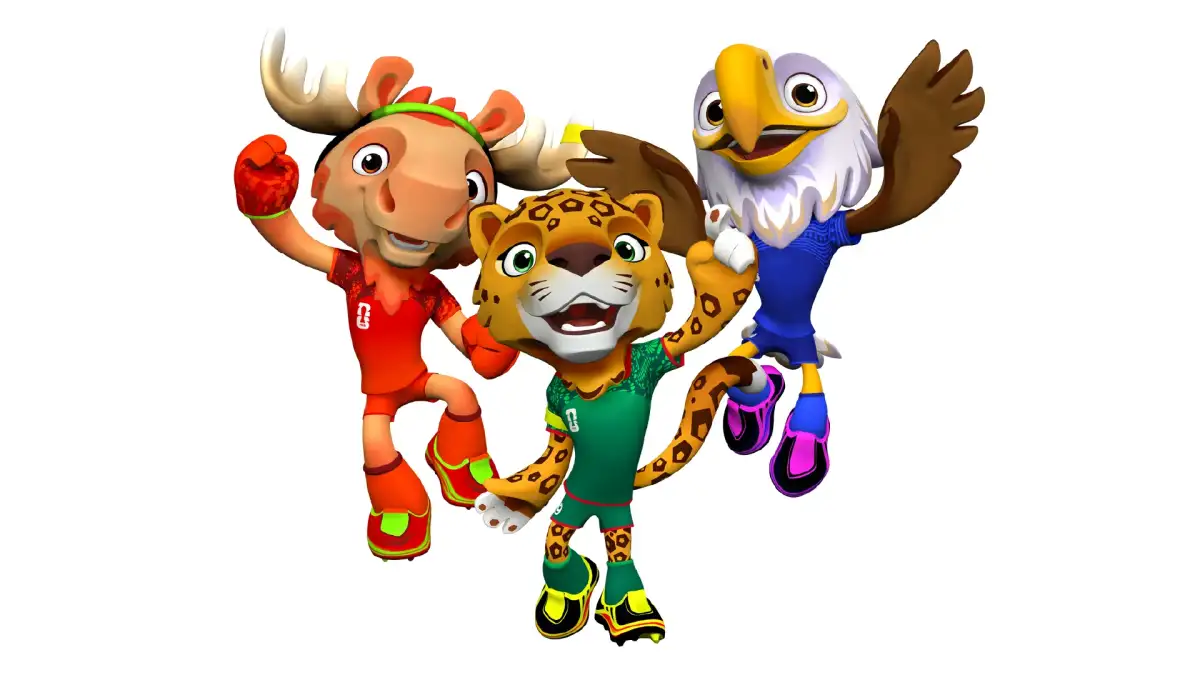
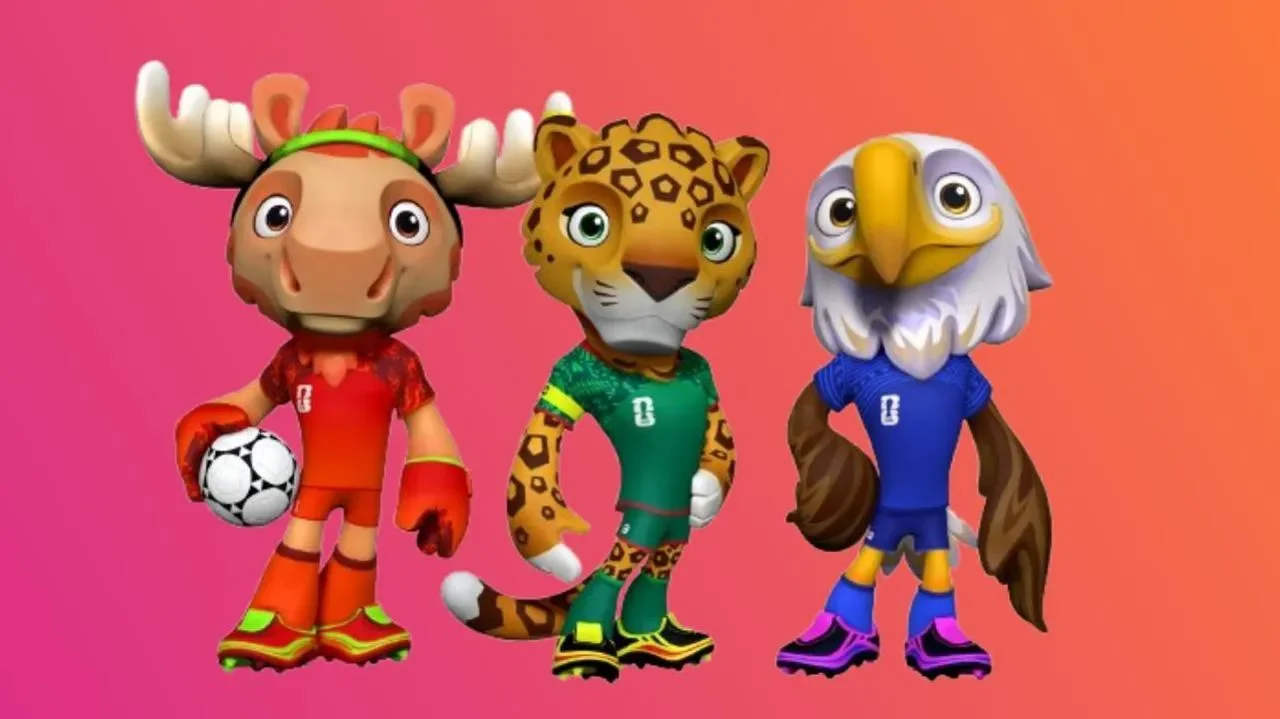
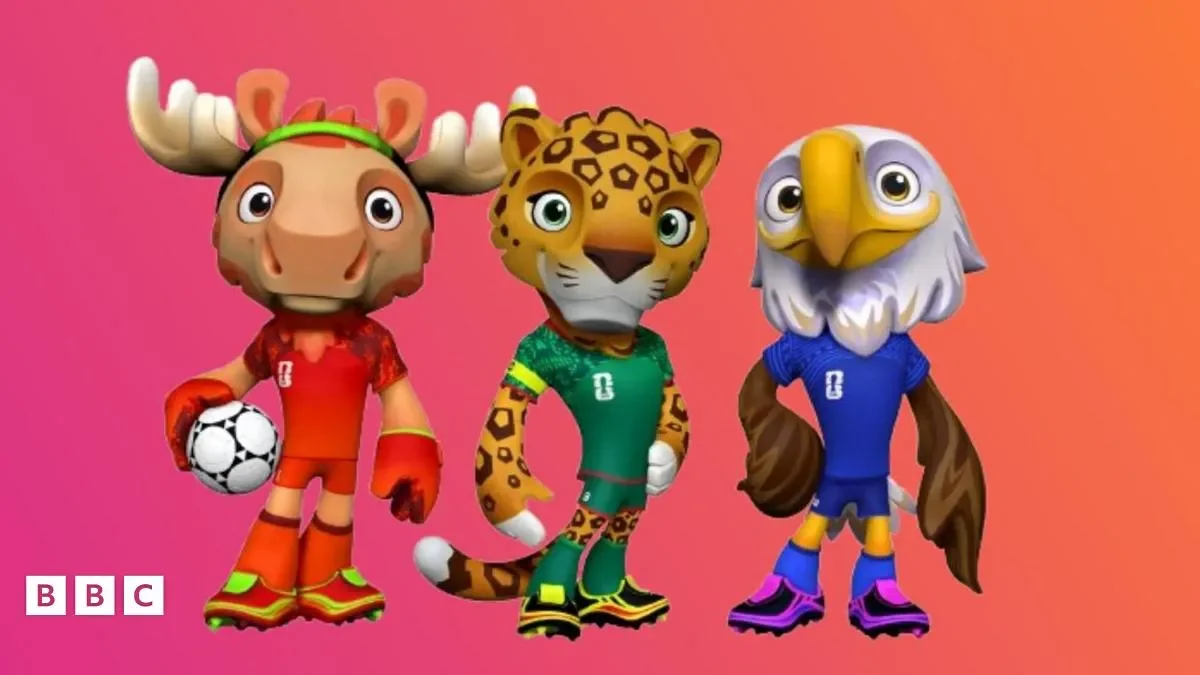
This year's tournament also introduces novelties designed to amplify the fan experience. While the Qatar World Cup featured a single mascot, the 2026 edition will have distinct mascots for each host nation, mirroring the diverse cultural landscapes. A significant addition is the planned half-time show at the final in New Jersey's MetLife Stadium, an element reflecting a unique aspect of American sporting entertainment. The tournament's rules themselves are undergoing a slight adjustment, with point deductions for yellow and red cards impacting team progression. FIFA has also launched its official resale platform and introduced tax exemptions for ticket sales in US host cities.
Read More: England World Cup Match: Pubs Open Until 5 AM Monday
The growing popularity of football fandom is also reflected in the digital realm, with new game releases like 'FIFA Heroes' and licensed content for 'Football Manager 26' planned for 2026. This expansion into a 'digital football' ecosystem signals a future where sports entertainment is increasingly fragmented and social-first, catering to a diverse and dynamic global fanbase.
Fan Engagement in a Connected Era
Global sports trends indicate a significant move towards social-first viewing, where fan engagement is not confined to spectating but involves active participation and sharing. The 'experience economy' is also merging with sports tourism, transforming game attendance into memory-building journeys. Furthermore, the modern sports fan is redefining indulgence, embracing a "health-conscious celebration" that focuses on optimization rather than abstinence, suggesting a new wave of game-day experiences.