


Uptake Friction Slows Electric Cooktop Integration
The promise of electric cooking, hailed as a cleaner alternative and a potential pillar of India's decarbonisation goals, faces significant hurdles in achieving widespread adoption, particularly among lower-income households. While e-commerce platforms report unprecedented demand for induction cooktops, driven by anxieties over Liquefied Petroleum Gas (LPG) supply disruptions stemming from West Asia, the actual integration of these appliances into daily cooking routines is proving sluggish.
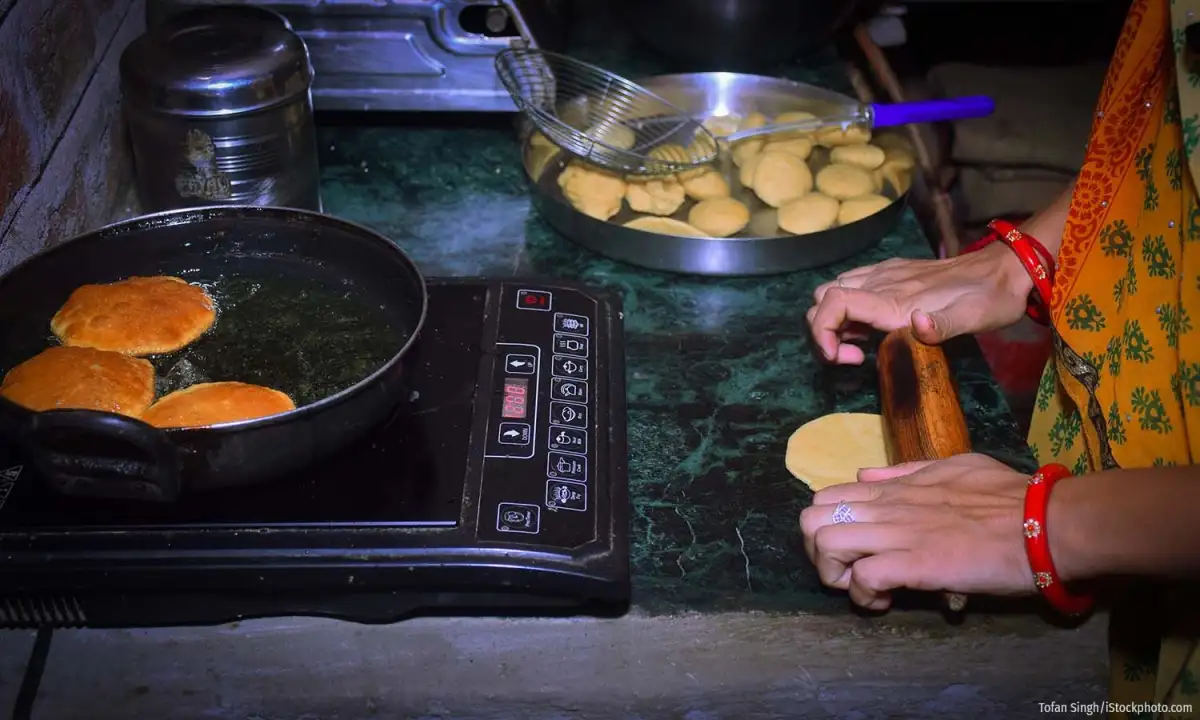
Cost barrier: The initial outlay for electric and induction cooktops, with double units costing upwards of ₹8,000 at the time of research, presents a substantial economic challenge for many families.
Cultural inertia: Resistance to non-flame cooking methods persists, reflecting deep-seated cultural preferences.
Supplement, not substitute: Even among urban households that have adopted electric cooking, many continue to rely on LPG, viewing induction stoves primarily as a backup option rather than a primary cooking solution.
Policy lag: While electricity connections are expanding, similar to the growth in LPG and Piped Natural Gas (PNG), strategic government incentives comparable to those driving LPG and PNG adoption appear to be lacking for e-cooking.
Demand Spike Amidst Supply Fears
The recent surge in interest for induction cooktops has been directly linked to apprehensions surrounding the availability of LPG.
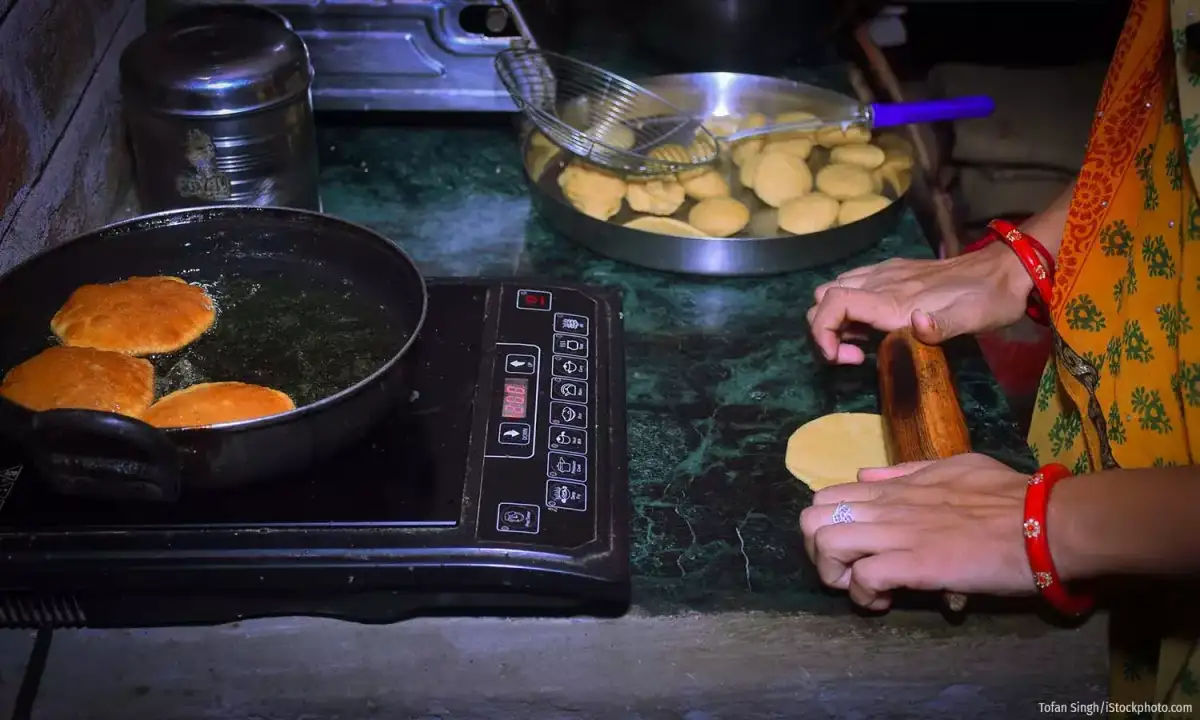
On quick-commerce platforms in major cities like Bengaluru, Chennai, Kolkata, and Mumbai, multiple induction stove models have been reported as "sold out" or unavailable.
This pattern indicates that when LPG supply becomes uncertain or cylinder availability is delayed, consumers actively seek alternative cooking solutions, with induction cooktops emerging as a prominent choice.
Experts note that induction is no longer a niche appliance, particularly during periods of LPG disruption, where it is increasingly used for everyday tasks like boiling milk and preparing tea.
The Electric Cooking Frontier: A Clean Energy Vision
Despite the current adoption challenges, the long-term vision for electric cooking remains tied to India's clean energy ambitions.
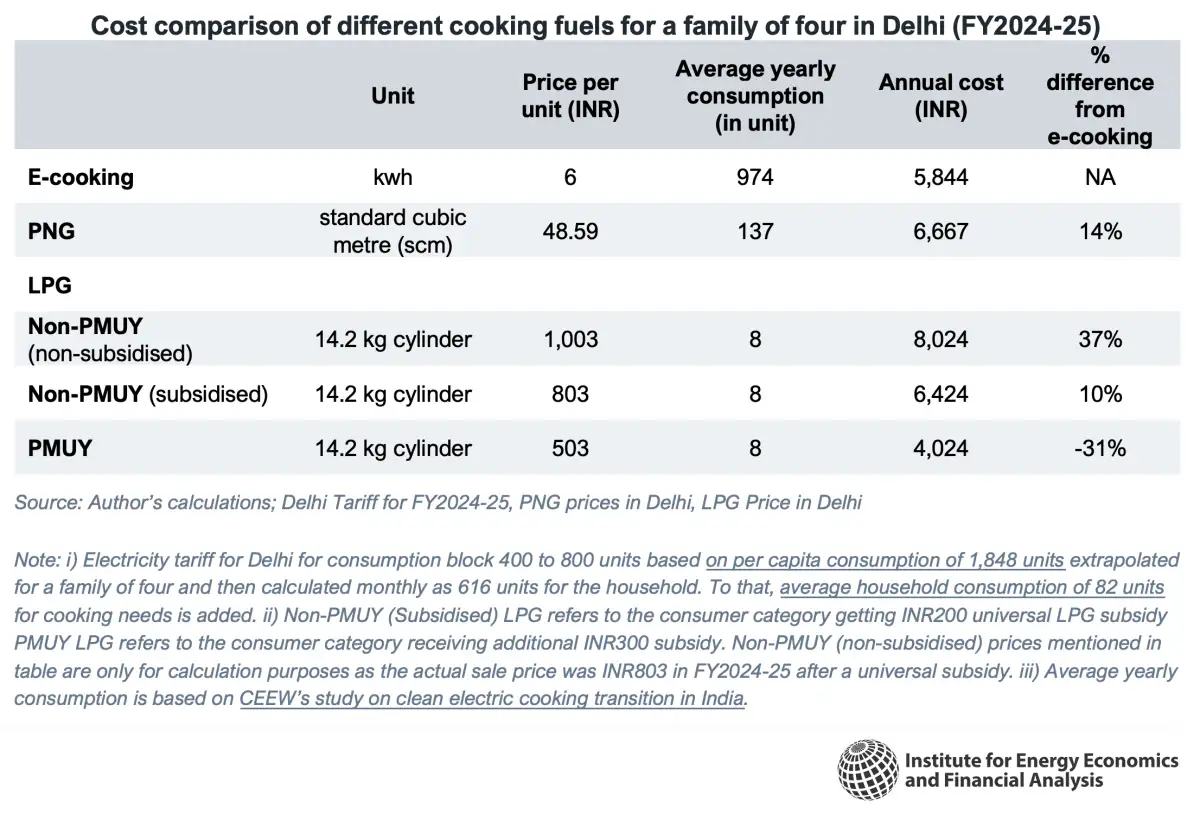
Studies suggest that electric cooking aligns with India’s decarbonisation objectives, potentially powering the nation's clean energy future.
Integrating solar power with e-cooking systems is highlighted as a crucial strategy to reduce overall power consumption and encourage a broader transition to cleaner cooking methods, even for off-grid households.
The concept of electric cooking is still in its nascent stages for many, particularly in rural areas, where it is often perceived as an option only for wealthier, urban households.
Background: A Shifting Fuel Mix
Historically, India's clean cooking transition has been shaped by government subsidies and infrastructure development for LPG and PNG. However, a significant portion of the population, approximately a third, still relies on conventional solid fuels. While these initiatives have expanded access, the reliance on imported LPG and PNG subjects the country to global price volatility. The growing availability of electricity connections presents an opportunity to diversify cooking fuel options, but this transition is proving more complex than initially anticipated. Early research in 2015 indicated electricity as a cooking fuel option was in an "embryonic phase" and limited to affluent urban populations.
Read More: India seeks new oil sources due to global risks and higher prices