A Framework for Future Military Capability
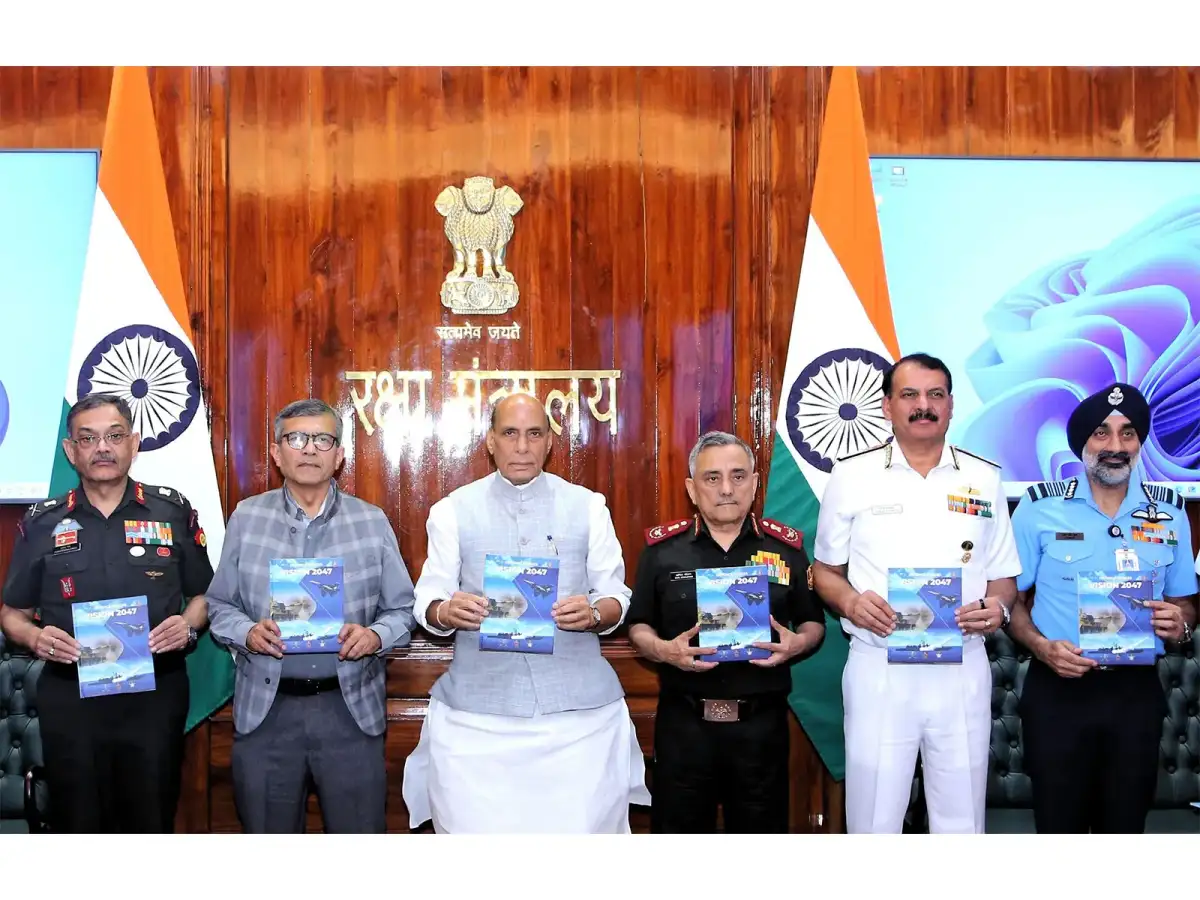
The Ministry of Defence has released a document, ‘Defence Forces Vision 2047: A Roadmap for a Future-Ready Indian Military’. This plan details a series of strategic reforms, capability enhancements, and organizational shifts intended to prepare the armed forces for a geopolitical, technological, and security environment described as "rapidly evolving." The core objective is to mold the military into an integrated, multi-domain, and agile force. This force is envisioned as capable of deterring potential adversaries, responding across a wide spectrum of conflict, and protecting India's widening strategic interests.
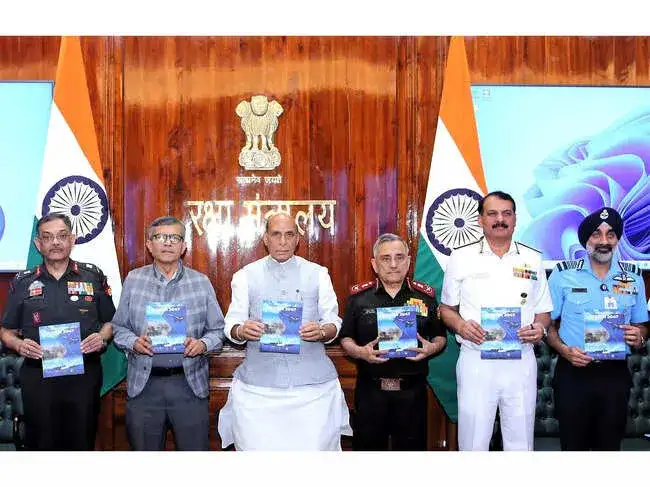
The roadmap outlines a staged progression of capability goals, broken down into short-, medium-, and long-term timelines. This approach is intended to systematically guide the development of crucial military capacities, streamline institutional processes, and foster strategic alliances necessary for building what is termed a "world-class defence force." Officials emphasize a "whole-of-nation" approach, linking military power with diplomatic, technological, and economic strategies to secure national interests.
Read More: India's Defence Ministry approves ₹52,000 crore on Friday for new Army and Navy tech
Key Components and Emphases
The vision document places a significant focus on jointness and synergy among the different military services. This entails fostering greater coordination in planning, operational execution, and the development of capabilities. It also champions the advancement of domestic defence manufacturing and technological prowess. The stated aim is to bolster operational readiness while simultaneously contributing to broader national economic growth and technological self-sufficiency.

Emphasis is also placed on innovation and the adoption of advanced technologies. This includes a push for indigenous defence platforms and technologies tailored to India’s specific strategic needs. The goal is to reduce dependence on foreign suppliers and strengthen the nation's defense industrial base and technological ecosystem. A modern training framework is identified as crucial for adapting to future warfare challenges.
The release of this vision document comes after a period of reflection, reportedly following a military conflict and eight months prior to that event.
Read More: India IVF Costs And Social Barriers Limit Access In April 2026
Attendance and Context
The release ceremony in New Delhi was attended by senior military and defence officials. Among those present were Chief of Defence Staff General Anil Chauhan, Chief of the Naval Staff Admiral Dinesh K Tripathi, Chief of the Air Staff Air Chief Marshal AP Singh, Defence Secretary Shri Rajesh Kumar Singh, and Vice Chief of the Army Staff Lieutenant General Pushpendra Singh. This gathering signifies a broad-based endorsement of the roadmap by the military leadership.
The document serves as a blueprint for military modernization efforts expected to span the next two decades, aiming to ensure the armed forces are prepared for emerging threats in a "rapidly shifting global security landscape." Strengthening domestic defense capabilities is seen as a means to reduce import reliance, boost the defense industrial base, and enhance India's technological ecosystem. This structured framework is intended to guide the development of next-generation defense platforms, institutional reforms within the armed forces, the modernization of operational doctrines, the expansion of strategic partnerships, and the integration of advanced technologies across all military operations. Defence planners view this phased approach as a method to align capability development with evolving threats and technological advancements.
Read More: India Approves ₹52,000 Crore Military Hardware Deals