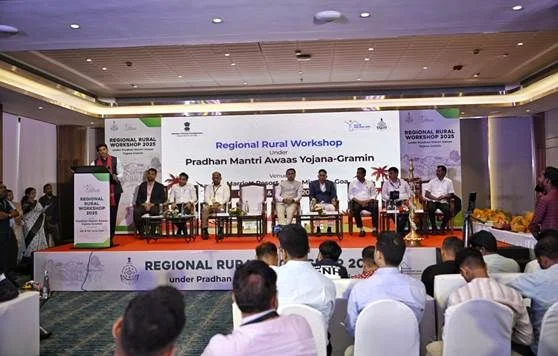
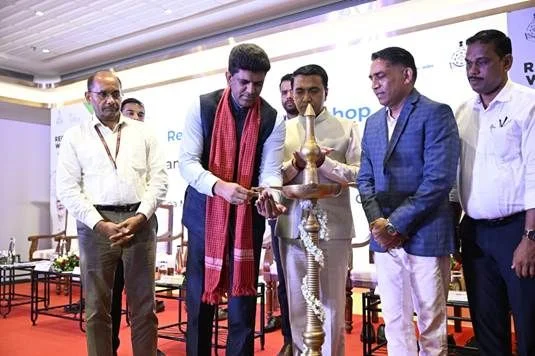
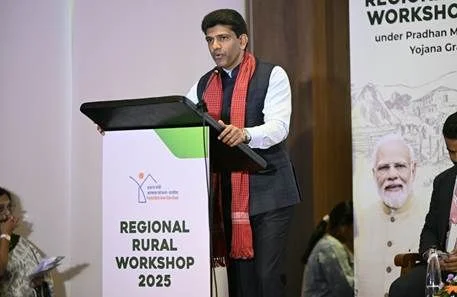
National statistics reveal that approximately 45 percent of reported child safety incidents involve kidnappings, with 38 percent falling under the purview of the Protection of Children from Sexual Offences Act (POCSO). This grim accounting, presented by Union Minister Pemmasani Chandra Sekhar, also underscores a profound underreporting crisis, with only about three percent of such cases making it into official records. The Minister, speaking at an awareness event focused on safeguarding young individuals and preventing offenses against them, emphasized that children themselves are often ill-equipped to champion their own rights.
The Minister further highlighted the entrenched issue of 'child labour', identifying Uttar Pradesh, Bihar, Rajasthan, Madhya Pradesh, and Andhra Pradesh as hotspots, collectively accounting for roughly 55 percent of all reported instances. This persistent exploitation, he argued, necessitates a shared societal undertaking to ensure the safety and well-being of the nation's youth.
Read More: 1 in 6 Children Face Online Abuse, New Data Shows
While the Union Minister's recent remarks draw attention to the immediate and systemic failings in child protection, echoes of this call for "collective responsibility" resonate with past declarations. A similar sentiment was voiced in Kampala, Uganda, in June 2021, by the Ministry of Gender, Labour and Social Development, which also pointed to the gap between existing legislation and its practical application in combating child labour. At that time, the ministry underscored the anticipated surge in child labour cases following school closures.
Further complicating the landscape, civil society organizations, such as the Initiative for Social and Economic Rights (ISER) in Uganda, have proposed concrete measures, including the prioritization of cash allowances for families. This approach aims to bolster the standard of living for vulnerable households, thereby mitigating the economic pressures that often drive children into exploitative work. The Minister's current pronouncements, while addressing urgent safety concerns, appear to revisit a familiar refrain regarding the necessity of broad societal engagement in safeguarding children.
Read More: India IVF Costs And Social Barriers Limit Access In April 2026