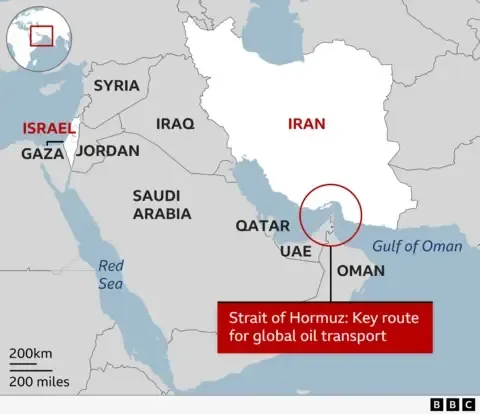
The International Energy Agency (IEA) and its 32 member nations have unanimously agreed to release 400 million barrels of crude oil from strategic government stockpiles. This intervention—the largest in the organization’s half-century history—attempts to blunt the price spikes triggered by the closure of the Strait of Hormuz and the escalating war between Iran, Israel, and the United States. The volume represents roughly one-third of the group’s total emergency reserves and more than doubles the 182 million barrels released during the early stages of the Ukraine conflict.
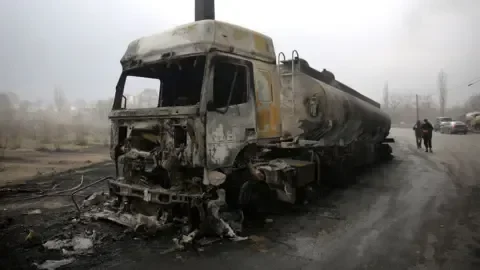
This flood of oil aims to replace the 10 million barrels a day typically flowing through the Strait of Hormuz, a narrow passage now choked by combat and targeted energy infrastructure. While the announcement briefly pushed oil futures lower in early trading, prices remain ' Volatile ' and above the $100-per-barrel mark.
National contributions to this 400-million-barrel pool vary by ' Energy Dependence '. Japan, which sources 70% of its crude via the Strait, will dump 80 million barrels. Germany has committed 19.5 million barrels. The United States is mulling further coordinated sales from its Strategic Petroleum Reserve (SPR), though specific tranches remain under discussion.
The Friction of Math vs. Symbolism
There is a clumsy math at play here. While 400 million barrels sounds vast, it is a finite buffer against a permanent stop in flow. Neil Shearing of Capital Economics notes that even the largest past IEA releases—roughly 2.5 million barrels a day—cannot fill the 10-million-barrel-a-day hole left by the Hormuz blockage. These reserves are increasingly viewed as psychological weights rather than literal replacements for the global spigot.
Read More: Solaris Energy SEI Stock Price Forecast Reaches $91.98 by July 2027
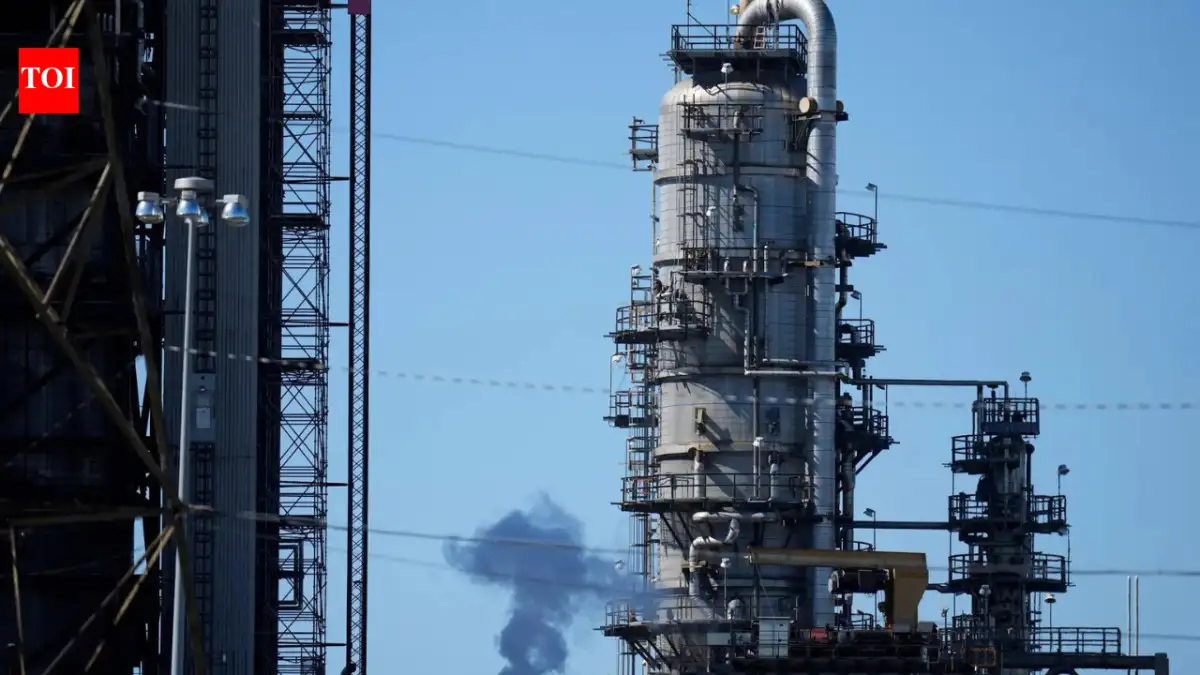
"They’re there partly as a symbol, as a confidence boosting measure." — Neil Shearing, Chief Global Economist, Capital Economics.
| Nation/Entity | Committed Release | Context/Reliance |
|---|---|---|
| IEA Total | ~400m Barrels | 1/3 of total collective reserves |
| Japan | 80m Barrels | 70% of oil arrives through Hormuz |
| Germany | 19.5m Barrels | Part of IEA-coordinated solidarity |
| Previous Record | 182m Barrels | Released during 2022 Ukraine War |
The Unprotected Flank: Natural Gas
The bureaucratic machinery of the IEA was built for oil, leaving a ' Blind Spot ' regarding gas. While crude stocks are being drained to settle markets, no equivalent global mechanism exists for Natural Gas. Qatar has already halted LNG production following infrastructure attacks, and refineries in Bahrain (BAPCO) have declared force majeure. The IEA can flood the market with oil, but it cannot fix the freezing of seaborne gas tankers.
Market Aftershocks and War Fatigue
Oil prices fell on the news but "ticked back up" shortly after, suggesting ' Skepticism ' among traders.
In the UK and US, pump prices continue to rise despite the IEA’s maneuver, as retailers rarely pass on wholesale dips with the same speed they apply hikes.
The G7 finance ministers initially stalled on this release earlier in the week, signaling internal friction before the eventual "unanimous" decision on Wednesday.
Background: A 1970s Solution for a 2026 Crisis
The IEA was a child of the 1973 oil crisis, designed to ensure Western economies weren't strangled by Middle Eastern supply shocks. Member states are required to hold 90 days of net imports in reserve. This current mobilization is only the fifth time the "emergency button" has been pressed.
The crisis escalated after Iran targeted energy hubs in neighboring Gulf states and the US/Israel responded with strikes on Iranian oil depots. With roughly 20% of global oil transiting the Strait of Hormuz, the market is currently a "gut-shot" system. The IEA's release is a desperate attempt to keep the global economy from seizing up while the military ' Stalemate ' continues, but reserves are emergency buffers, not a "permanent supply source." If the Strait remains closed, the 400 million barrels represent only a temporary reprieve before the tanks run dry.
Read More: UN Panel Warns AI Risks Grow Faster Than Science and Rules