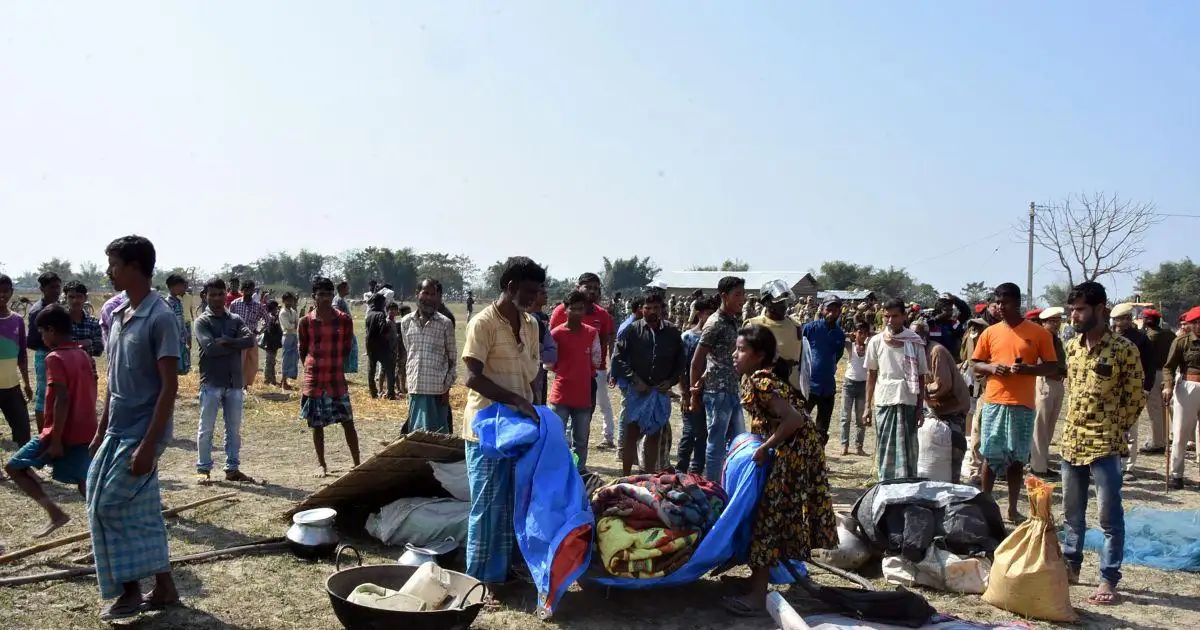
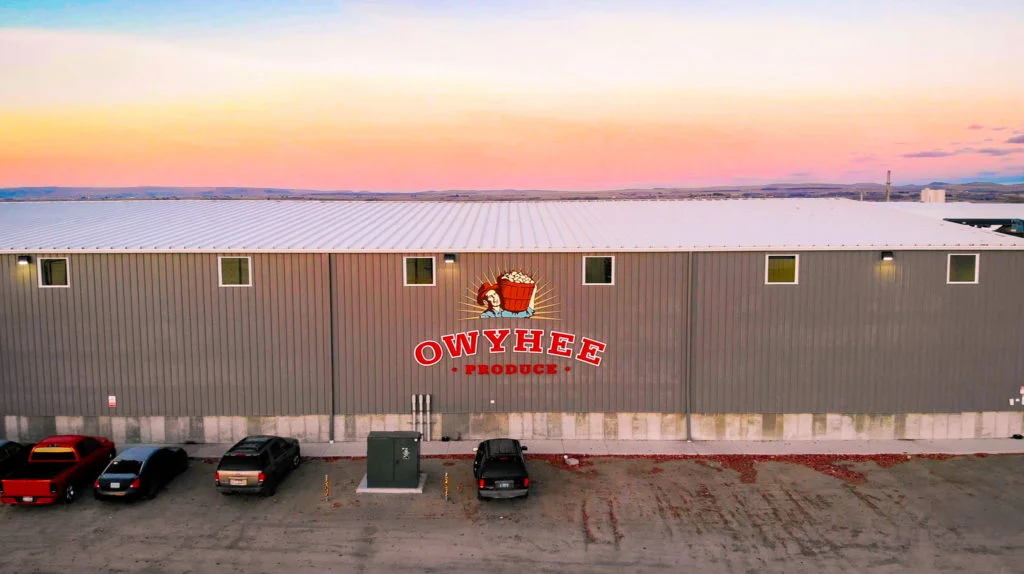
A recent immigration enforcement action in a small, predominantly Republican town in Idaho has created unease and prompted discussions about immigration policy, affecting local residents and industries. The raid, which resulted in deportations, has divided opinions and raised concerns about labor availability and the human cost of such operations.
The events unfolded in Idaho, a state known for its conservative leanings, where immigration raids have become a point of contention. Reports indicate that federal agents conducted operations, leading to arrests and deportations, particularly impacting the immigrant workforce that plays a significant role in the region's economy. This has sparked dialogue among residents, business owners, and local leaders regarding the effectiveness and consequences of current immigration enforcement strategies.

Context of Immigration Enforcement
Immigration and Customs Enforcement (ICE) has been active in various parts of the United States, conducting raids and making arrests. These actions have been noted in areas beyond Idaho, including Chicago and Ohio, suggesting a broader pattern of intensified enforcement. The Trump administration had previously signaled a focus on workplace raids and mass deportations.
Read More: Texas Immigrant Family Freed From ICE Custody After Lawmaker Visits
Timeline: Raids and enforcement actions have been documented across the country in 2025. Specific incidents in Idaho have occurred in the latter half of the year, with reports surfacing in November 2025.
Actors:
Federal Immigration Agencies (ICE): Responsible for conducting raids and deportations.
Local Residents: Both immigrant workers and long-time residents have been affected, with varying perspectives.
Business Owners: Particularly in agriculture and construction, express concerns about labor shortages.
Political Figures: Mentioned in relation to immigration policy discussions and directives.
Events:
Raids at workplaces, including restaurants and farms.
Arrests and deportations of individuals, some of whom have established lives in the U.S.
Public reaction ranging from fear and unease to calls for policy changes.
Evidence of Impact
The repercussions of immigration raids are being observed through several channels:

Community Reaction: Residents in Idaho have expressed fear and uncertainty. A refugee's deportation from a conservative town reportedly caused distress, with one resident stating, "What Trump has done is not Christlike." Similarly, in Ohio, an immigration raid at a restaurant divided the town, leaving many feeling uneasy. Reports from Chicago describe agents in tactical gear, contributing to a climate of fear.
Labor Concerns: The agriculture and construction industries in Idaho are voicing worries about potential labor shortages due to increased immigration enforcement. Farmers and employers highlight the reliance on immigrant workers, warning that their removal could lead to significant economic disruption. "If tomorrow we said, hey, all of you that are illegal, you're not going to work, you're out of the field and you're out of the country, we won't eat," noted one Idaho farmer. The H-2A visa program, intended to address agricultural labor concerns, has faced its own challenges, including funding suspensions.
Enforcement Directives: The Department of Justice has issued directives to prioritize identifying and prosecuting immigration violations. While the administration has stated its trust in law enforcement's common sense, concerns about the methods, such as the use of balaclavas and visible weaponry during raids, have been raised.
Economic and Social Ramifications
The focus on immigration enforcement at workplaces, as discussed by employers in Idaho, creates a sense of unease. The potential for widespread deportations, a key campaign promise, is viewed by some as a move to enhance national safety. However, the economic dependency on immigrant labor, particularly in sectors like agriculture, presents a complex challenge.
The broader impact of intensified immigration enforcement is being felt nationwide. Reports from New York, Texas, New Mexico, and Illinois document agents apprehending individuals in public spaces and workplaces. Critics have pointed to the reliance on racial profiling in some enforcement actions.
Read More: Venezuelan Man Charged with Assaulting US Officers in Nebraska on June 18
Business Operations: Some businesses have been forced to reduce employee hours due to fears surrounding immigration enforcement.
Community Cohesion: Raids can alter the social fabric of neighborhoods, affecting who works, shops, and resides in an area.
Differing Views on Immigration Policy
There are varied perspectives on the current immigration enforcement strategies:
Concerns over Human Impact: Many express sympathy for individuals and families affected by deportations, highlighting their contributions to communities. The phrase "they're feeling like they're being judged in a way that they never have before" captures this sentiment.
Calls for Policy Review: Some individuals, like the Idaho farmer, are calling for a re-evaluation of immigration policies in light of the labor demands and social impacts.
Enforcement as Priority: The administration's stance emphasizes the importance of enforcing immigration laws and securing borders, with stated goals of making the country safer. Directives have been issued to overhaul immigration enforcement approaches.
Expert Analysis and Commentary
Commentary from various sources suggests a tension between enforcement goals and the realities of the labor market and community impact. The U.S. Department of Labor's approach to programs like H-2A, and its funding, have been points of discussion. Reports have also indicated that Trump's policies may have inadvertently increased the number of undocumented immigrants in the country.

The effectiveness of current enforcement measures in addressing broader immigration challenges is a subject of ongoing debate. Critics argue that the approach is authoritarian and that corporate news outlets have been complicit. The displacement of individuals and the potential for economic disruption are central to these discussions.
Conclusion and Future Considerations
The immigration raids and subsequent deportations in Idaho exemplify a broader national trend of intensified immigration enforcement. The events have underscored the significant role of immigrant labor in key industries and the human impact of these policies on individuals and communities, even in deeply conservative areas.
Read More: Assam CM says 12 illegal migrants from Bangladesh pushed back
Findings:
Immigration enforcement actions are generating significant apprehension and division within communities.
Concerns about labor shortages, particularly in agriculture, are being amplified by these actions.
There is a noted disparity between the speed of enforcement and the availability of support for affected populations.
Implications: The current approach to immigration enforcement presents complex economic and social challenges that warrant careful consideration. The long-term sustainability of industries reliant on immigrant labor is a key concern.
Next Steps: Continued observation of federal immigration policies and their on-the-ground effects in various regions is necessary. Engagement with affected communities and industry stakeholders could provide further insight into the ongoing impacts.
Sources Used
The Guardian: Article on a refugee's deportation in Idaho, published November 12, 2025. (https://www.theguardian.com/us-news/2025/nov/12/refugee-deportation-idaho-trump) - Provides a personal account and local reaction.
PBS NewsHour: Report on an Idaho farmer's perspective on immigration policy amid raids, published November 1, 2025. (https://www.pbs.org/newshour/show/idaho-farmer-calls-for-new-look-at-immigration-policy-amid-raids) - Offers insight into agricultural labor concerns.
BBC News: Article detailing the impact of ICE raids on a Chicago neighborhood, published November 22, 2025. (https://www.bbc.com/news/articles/cql4e439g4no) - Illustrates broader patterns of enforcement and community impact.
Investigate Midwest: Report on farm labor issues caused by deportations and lack of viable solutions, published October 29, 2025. (https://investigatemidwest.org/2025/10/29/trumps-deportations-are-causing-farm-labor-issues-he-hasnt-presented-a-viable-long-term-solution/) - Focuses on the economic consequences for agriculture.
Idaho Statesman: Article on Idaho employers' reactions to potential immigration raids, published June 18, 2025. (https://www.idahostatesman.com/news/business/article308870665.html) - Highlights concerns within Idaho's business sector.
The New York Times: Interactive feature documenting the first year of Trump's immigration crackdown across America, published December 29, 2025. (https://www.nytimes.com/interactive/2025/12/29/nyregion/nyregionspecial/trump-immigration-crackdown-first-year.html) - Provides a national scope of enforcement activities.
DNYUZ (via unknown source): Report on an immigration raid dividing a small town in Ohio, published November 17, 2025. (https://dnyuz.com/2025/11/17/immigration-raid-splits-town-in-deep-red-trump-country-everybody-was-freaked-out/) - Details community reactions to specific raids.
NBC News: Investigation into Trump's mass deportation plans and ICE raids, published February 3, 2025. (https://www.nbcnews.com/news/investigations/trump-mass-deportations-ice-raids-executive-immigration-rcna188620) - Outlines the administration's stated plans and directives.
The Intercept: Commentary on protests against Trump's deportation regime, published December 3, 2025. (https://theintercept.com/2025/12/03/appalachia-nc-ice-protest-immigrants/) - Presents critical perspectives on the enforcement approach.