As individuals age, maintaining flexibility becomes a crucial aspect of overall health and well-being. Reduced mobility can impact daily activities, increase the risk of injury, and diminish quality of life. This report examines how to foster and sustain flexibility through various exercises and lifestyle choices, drawing on insights from health professionals and relevant publications.
Physical limitations can arise from various factors, including prolonged sitting and the natural shortening of muscles over time. These changes can lead to decreased range of motion in joints such as the hips, shoulders, and spine. The challenge lies in adopting practices that counteract these effects, allowing individuals to continue engaging in enjoyable activities without pain or hesitation. The following explores established methods and expert viewpoints on this topic.

Understanding Flexibility and Aging
Flexibility refers to the ease with which muscles and joints can stretch and move. As people get older, their muscles tend to become shorter and lose some elasticity. This natural process can lead to a decreased range of motion.
Read More: India IVF Costs And Social Barriers Limit Access In April 2026
Muscle and Joint Changes: Age can affect the elasticity of muscles and the health of connective tissues.
Impact of Lifestyle: Long periods of sitting, common in modern work environments, can restrict flexibility.
Consequences of Inactivity: Limiting physical activity can cause muscles to lose flexibility and range of motion.
Approaches to Enhancing Flexibility
A variety of methods are recommended for improving and maintaining flexibility across different age groups. These often involve specific exercises and mindful movement practices.
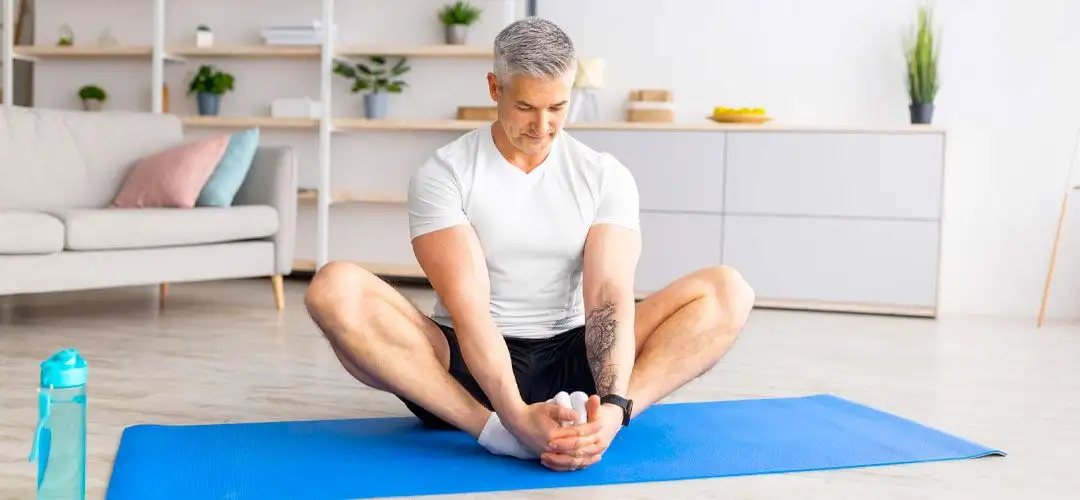
Stretching as a Core Practice
Regular stretching is identified as a primary method for improving flexibility. It is emphasized as a tool that benefits physical and mental health, regardless of age.
Benefits: Stretching can help improve posture, support joint health, and reduce the risk of injury.
Routine Integration: Incorporating a stretching routine into daily life is presented as an effective strategy.
Yoga for Mobility and Strength
Yoga is highlighted as an adaptable discipline particularly suited for aging well. It offers a way to strengthen muscles gently while improving balance.

Adaptability: Yoga can be modified for individuals of various ages, including seniors.
Gentle Strengthening: Unlike some high-intensity sports, yoga provides progressive muscle strengthening without undue strain.
Balance and Fall Prevention: Yoga actively works on balance, which can help prevent falls.
Physiotherapy and Targeted Exercises
Physiotherapy offers structured approaches to flexibility, with exercises tailored to individual needs and progress.
Professional Guidance: Physiotherapists can modify exercises to continually challenge muscles and improve range of motion.
Focus Areas: Specific exercises often target key areas like the lower back, hamstrings, hips, and quadriceps.
Expert Perspectives and Recommendations
Health professionals underscore the importance of proactive measures to preserve flexibility.

"Simply put, flexibility is all about how easily your muscles and joints can stretch and move. Try incorporating a stretching routine into your day." - The Conversation
"If you’re looking to improve your flexibility, it can greatly improve your physical well-being and help offset the effects of aging." - Cleveland Clinic
"Freedom to keep doing the things you enjoy without pain or hesitation." - Huffington Post
Evidence and Methodologies
The presented information suggests a consensus among various sources regarding the importance and methods of maintaining flexibility.
Regular Exercise: Consistency in stretching and flexibility exercises is repeatedly advised.
Targeted Muscle Groups: Attention to areas like the hips, hamstrings, and spine is frequently mentioned.
Holistic Approach: Combining stretching with practices like yoga is seen as beneficial for overall physical condition.
Consultation: For those with existing medical concerns, consulting a healthcare provider or physical therapist is recommended.
Conclusion and Future Considerations
Maintaining flexibility is a vital component of healthy aging, contributing to sustained physical capability and an improved quality of life. The evidence suggests that consistent engagement with stretching, yoga, and targeted physiotherapy exercises can effectively counteract age-related stiffness and loss of range of motion. While specific exercise recommendations vary, the overarching principle of regular, mindful movement is clear. The ongoing adaptation of activities, such as modified yoga classes for seniors, ensures accessibility. Future considerations might involve further research into the long-term impacts of different flexibility interventions on specific age demographics and diverse physical conditions.
Read More: Georgia Toffolo's Lake Como Trip After Fertility Talks
Sources:
BBC Science Focus Magazine: "Flexibility helps you live longer and age well. Here's how to boost yours in minutes" - Published Nov 8, 2025. https://www.sciencefocus.com/the-human-body/flexibility-helps-you-live-longer
The Conversation: "How to improve your flexibility – the body’s secret weapon for staying healthy and active" - Published Sep 13, 2024. https://theconversation.com/how-to-improve-your-flexibility-the-bodys-secret-weapon-for-staying-healthy-and-active-236549
Cleveland Clinic: "5 Easy Exercises and Stretches To Help With Flexibility" - Published Apr 28, 2025. https://health.clevelandclinic.org/flexibility-exercises-training-stretches
Hinge Health: "How to Be More Flexible: Stretches and Tips" - Published Aug 14, 2025. https://en-gb.hingehealth.com/resources/articles/how-to-get-more-flexible/
The Output by Peloton: "How to Use Yoga to Become More Flexible" - Published Aug 6, 2025. https://www.onepeloton.com/blog/yoga-for-flexibility?msockid=29489970056d6e4d2d548e7504866f9d
Prime Health and Performance: "Fit and Flexible: Your Daily Physiotherapy Exercises Guide" - Published Aug 15, 2024. https://www.primehealthandperformance.com/fit-and-flexible-essential-daily-physiotherapy-exercises/
Huffington Post UK: "The Best Exercise To Stay Flexible, By Age" - Published Aug 26, 2025. https://www.huffingtonpost.co.uk/entry/best-flexibility-exercise-by-ageuk68ada9d3e4b0e9f6a66898a5
Geopelie: "Yoga and Aging: Stay Flexible and Strong at Any Age" - Published Jan 22, 2026. https://geopelie.com/en/blogs/blog/yoga-and-aging-stay-flexible-and-strong-at-any-age
Lily & Loaf: "The Power of Stretching: How to Stay Flexible as You Age" - Published May 8, 2025. https://lilyandloaf.com/a/blog/post/the-power-of-stretching-how-to-stay-flexible-as-you-age