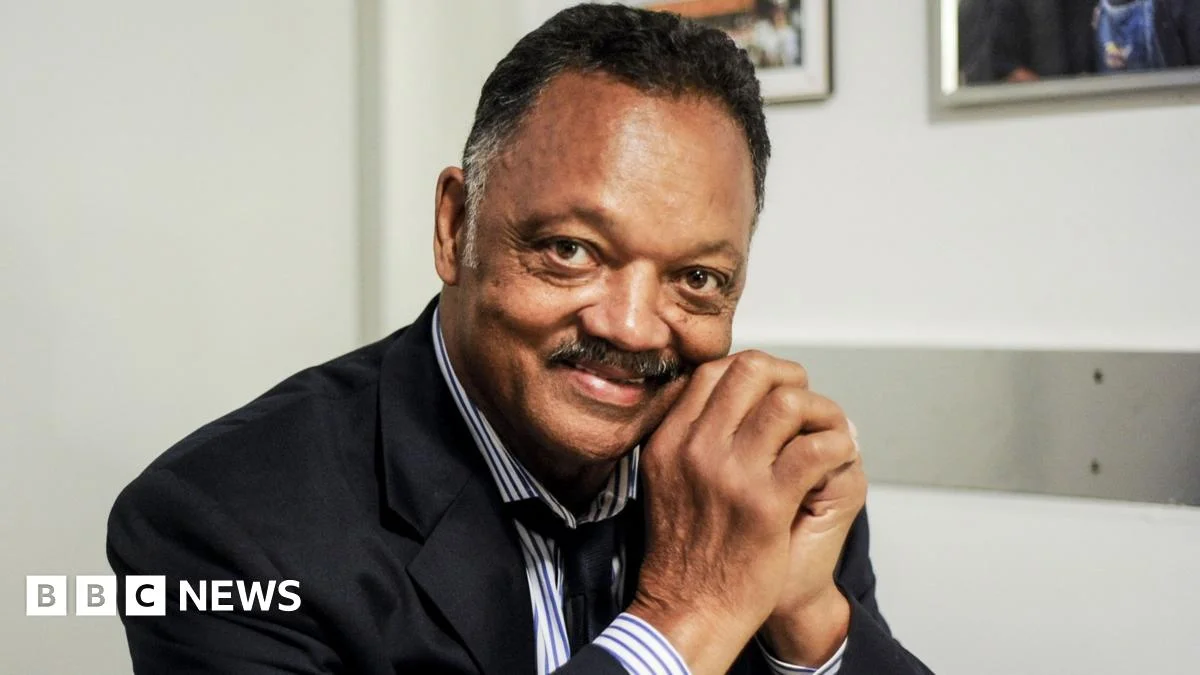
Reverend Jesse Jackson, a central figure in the American civil rights movement and a two-time candidate for President, died on Tuesday, February 17, 2026. He was 84 years old. His family confirmed he passed away peacefully, with his son, Representative Jesse Jackson Jr., by his side. While a specific cause of death was not immediately released, records show Jackson had been dealing with a degenerative health condition and was hospitalized in November 2025.
For over sixty years, Jackson acted as a bridge between the 1960s era of Dr. Martin Luther King Jr. and the modern political landscape. He is credited with changing how the Democratic Party picks its candidates and opening doors for future leaders of color. His death has prompted a rare moment of agreement among political rivals, with figures from across the spectrum acknowledging his role in American history.
Read More: Marco Rubio Easter Bunny Memes Go Viral Online April 2026

Timeline of Events and Key Figures
The following timeline and list of actors highlight the path of Jackson’s career and the immediate response to his passing.
1960s: Jackson becomes a protégé of Martin Luther King Jr. and a leader in the Southern Christian Leadership Conference.
1971: He founds PUSH (People United to Save Humanity) in Chicago to focus on economic justice.
1984 & 1988: Jackson runs for the Democratic nomination for President, forming the "Rainbow Coalition."
2008: Barack Obama is elected President; many analysts point to Jackson's earlier runs as the foundation for this victory.
November 2025: Jackson is hospitalized due to declining health.
February 17, 2026: Family announces his death; tributes arrive from President Donald Trump, Barack Obama, and Bill Clinton.
"Reverend Jackson also created opportunities for generations of African Americans and inspired countless more, including us." — Barack Obama, Former U.S. President
Evidence of Impact and Public Record
The following data summarizes Jackson's primary contributions and the tributes recorded in the hours following the announcement.
| Area of Influence | Key Action / Evidence | Reported Impact |
|---|---|---|
| Civil Rights | Worked alongside MLK Jr. | Helped secure voting and labor rights. |
| National Politics | 1984 and 1988 Presidential bids | Expanded the Democratic voter base. |
| Global Diplomacy | Negotiated hostage releases | Freed Americans in Syria and Cuba. |
| Corporate Change | Pushed for "Corporate Diversity" | Pressured large firms to hire more minorities. |
Core Insight: Investigators note that Jackson’s legacy is defined by his ability to move from street protests to high-level political negotiations.
Political Influence: A Trailblazer for the Presidency
Jackson’s runs for the White House in the 1980s are often viewed as his most significant political work.
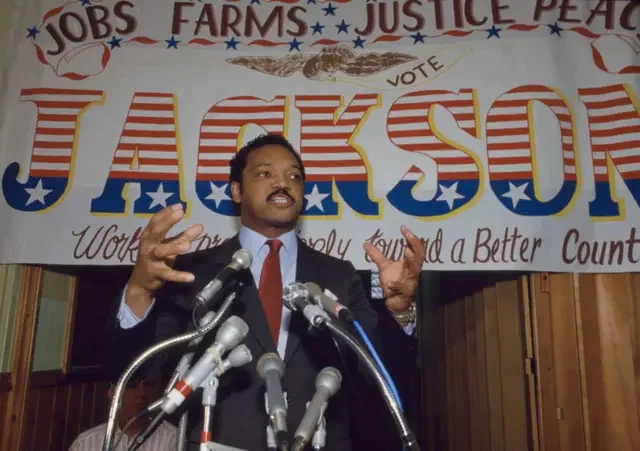
The "Rainbow Coalition": He sought to bring together voters of all races, the poor, and the working class.
DNC Rules: Marc Morial, head of the National Urban League, noted that Jackson helped change the Democratic National Committee (DNC) rules to make the nomination process more inclusive.
Conflicting View: While many see him as a hero, some past critics, such as author Kenneth Timmerman, argued that Jackson's methods were too aggressive toward corporations.
The Hometown Dissonance: Greenville, South Carolina
In his birthplace of Greenville, S.C., the reaction to his death revealed a gap between his global fame and local recognition.
Residents like Freddie Jean Clinkscales (84) remember him as a "superstar" who loved local food like banana cream pie.
The Absence of Markers: Despite his fame, residents pointed out there is no major street or monument named after him in his hometown.
The question remains: Why has the city where he began his journey not yet dedicated a permanent historical site to his name?
Global Activism and Bipartisan Recognition
Jackson was known for traveling to difficult regions to free prisoners and talk to world leaders.

Diplomacy: He often stepped into roles usually held by government officials, sometimes causing tension with the State Department.
Unlikely Tributes: Donald Trump described Jackson as a "good man" and a "force of nature," noting they knew each other long before Trump entered politics.
Consistency: Civil rights lawyer Ben Crump stated that Jackson’s life work was about "lifting up the dignity of working people."
Expert Analysis
Marc Morial (National Urban League):"I'm remembering him as a role model for a generation of us who ran for office in the '90s. His campaigns… were influential in how he conducted a campaign to really bring people who were locked out and left out."
Read More: Trump's independent voter approval drops to lowest point ever
Jon Meacham (Historian):Meacham describes Jackson as an "enormously important figure" who filled the gap between the 1960s civil rights movement and the election of the first Black president. He views Jackson’s work as a "vital part of the freedom struggle."
Conclusion
The death of Jesse Jackson marks the end of an era for the American civil rights movement. The evidence shows he was successful in moving from the outskirts of power to the center of the political stage. His work changed how American elections are run and how corporations think about diversity.
However, several points remain open for discussion:
Cause of Death: While his long-term illness was known, the official medical report is still pending.
Local Recognition: It is unclear if his death will prompt his hometown of Greenville to finally establish a formal monument.
The Future of Rainbow PUSH: With the founder gone, observers are watching to see how the organization will handle new leadership.
His family has asked for privacy but has invited the public to share memories. Funeral arrangements have not yet been made public.
Primary Sources
DNYUZ / NY Times: Jesse Jackson’s Hometown Remembers Him as a ‘Superstar’ - Details local memories in Greenville, SC.
The Guardian: Jesse Jackson Obituary - Summary of his life and political habits.
BBC News: US civil rights leader Jesse Jackson dies aged 84 - Updates on his passing and medical history.
Fox News: Trump remembers Jesse Jackson as 'good man' - Reports on tributes from the former President.
CBS News: Jesse Jackson remembered as "a role model" - Quotes from Marc Morial and historian Jon Meacham.
USA Today: Jesse Jackson, towering icon of civil rights, dies - Focus on corporate diversity and voting rights work.