Tensions between Iran and the United States have escalated significantly, with Iran issuing a stark ultimatum to President Trump. This comes as indirect talks, facilitated by Oman, aim to address Iran's nuclear program and regional security. The US has reinforced its military presence in the Persian Gulf, deploying assets like the aircraft carrier USS Abraham Lincoln and B-2 bombers, which Iran views as a deliberate pressure tactic. The situation is further complicated by ongoing domestic protests within Iran, which Trump has publicly commented on, threatening military action. Iran, in response, has declared its readiness for war while also indicating a willingness to negotiate under specific conditions.
Diplomatic Maneuvers Amidst Military Buildup
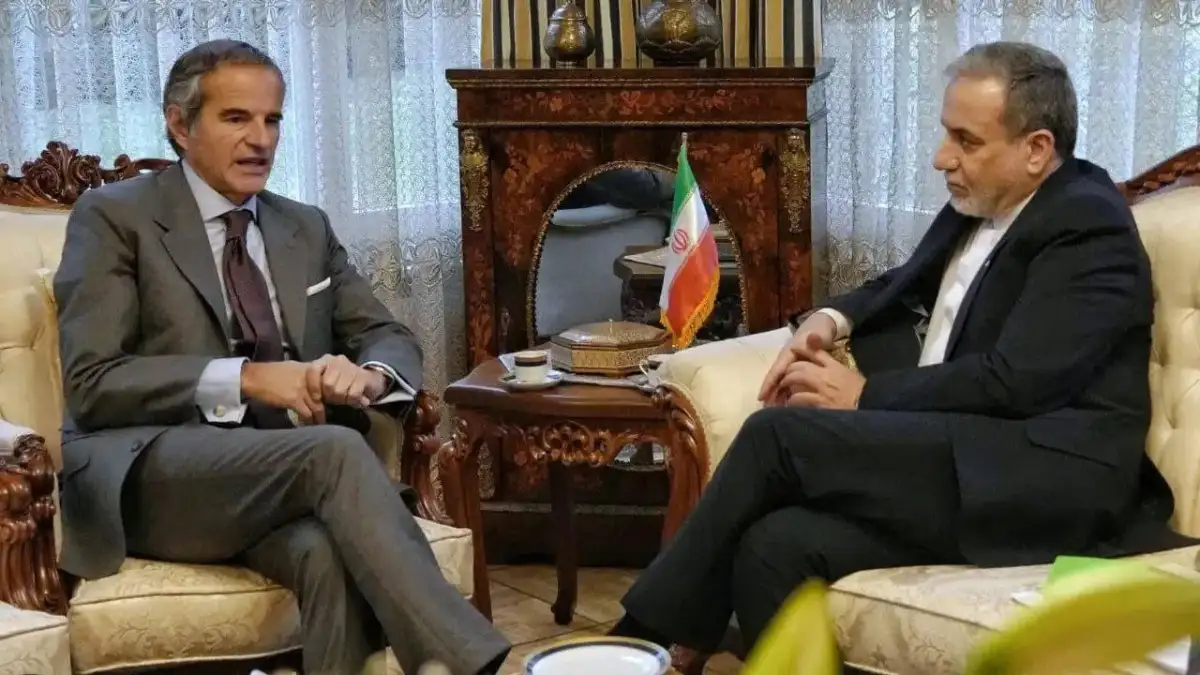
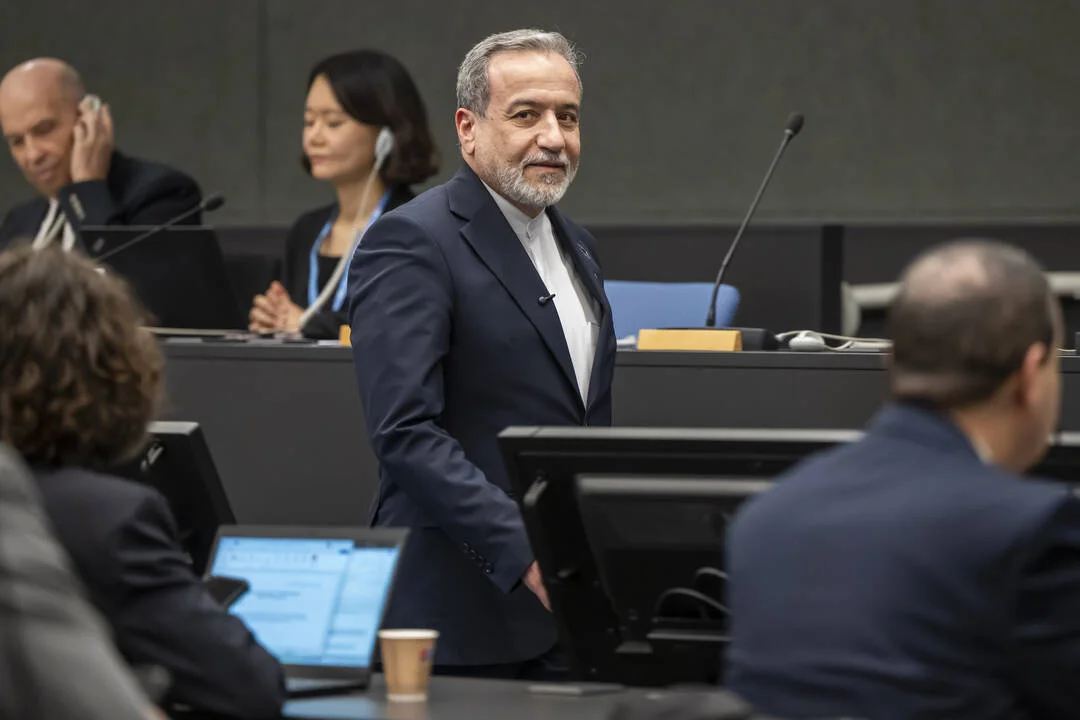
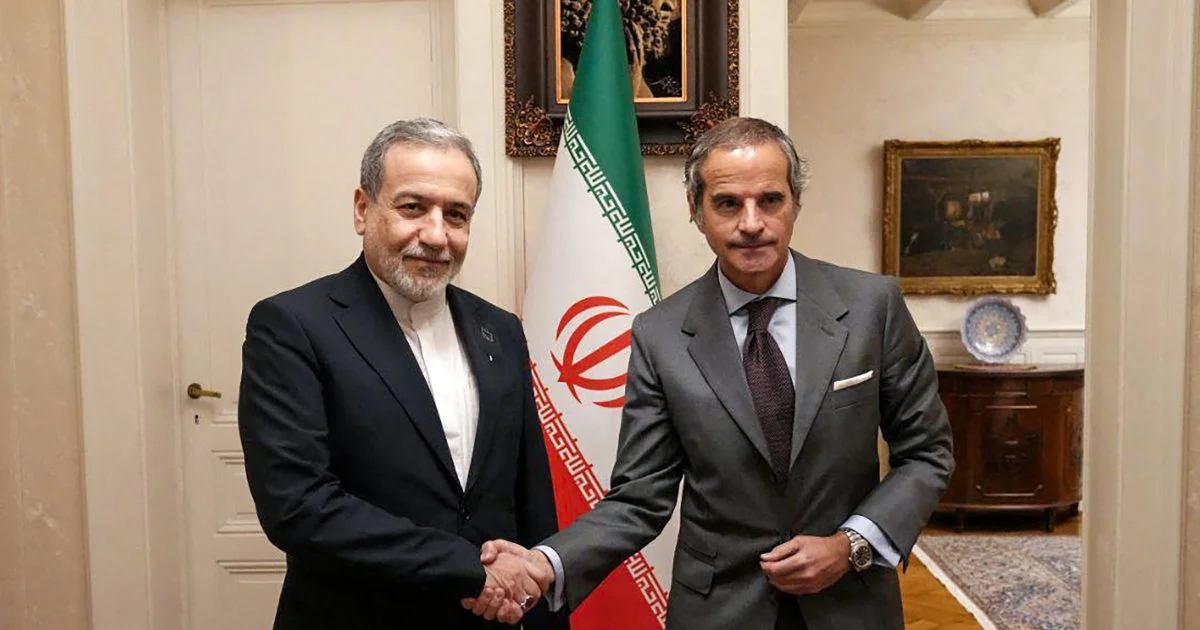
Indirect negotiations between the United States and Iran are underway, with Oman serving as a key intermediary. These talks, the second round since a joint US-Israeli attack on Iranian nuclear facilities in June of the previous year, aim for a "lasting solution" to ongoing disputes.
Read More: US F-15E Strike Eagle downed over Iran on Friday creates new military and diplomatic risks

The negotiations have focused on Iran's nuclear program, which Iran insists is for peaceful purposes, and the lifting of economic sanctions.
Iran has conveyed its positions on these issues, including its nuclear program, sanctions relief, and a potential framework for understanding, to the US.
Iran has also announced planned military drills in the Strait of Hormuz, which it states are for defensive purposes.
President Trump has expressed a desire for a deal, stating that a nuclear Iran was never an option and that Iran was "blasted the hell out of them" in reference to previous actions.
Iran's Demands and Red Lines
Iran's Supreme Leader, Ayatollah Ali Khamenei, has laid out explicit conditions for any cooperation with the United States.
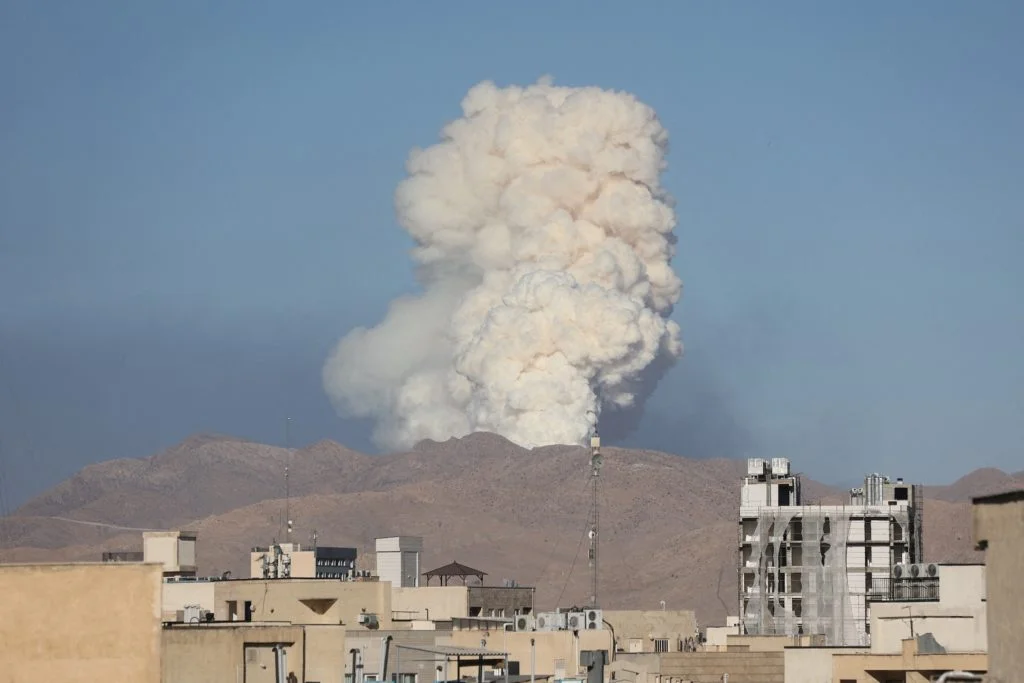
Khamenei stated that Iran would only engage with the US if it abandons its support for Israel, withdraws its military forces from the Middle East, and ceases all interference in regional affairs.
He further specified that US requests for cooperation would only be examined "much later," and only after these conditions are met.
This stance reflects a deep-seated distrust of US intentions and a commitment to regional autonomy.
US Military Posturing and Warnings
The United States has demonstrated a significant military buildup in the region, which Iran perceives as a direct threat and a tool for exerting pressure.
The deployment of the USS Abraham Lincoln carrier strike group and B-2 bombers near Iran has been confirmed.
US officials have described this as a strategy of deterrence, aimed at addressing disputes over Iran's nuclear program and its domestic actions.
President Trump has also made public statements, including threats of military action in response to Iran's crackdown on domestic protests.
These actions and statements have prompted Iran to declare its readiness for war, signaling a firm stance against perceived aggression.
Conflicting Narratives on Nuclear Ambitions
A central point of contention remains Iran's nuclear program.
The US and Israel hold the belief that Iran aspires to develop nuclear weapons, posing a threat to Israel's existence.
Iran maintains that its nuclear program is exclusively for civilian, peaceful purposes and is in line with its commitments to the Nuclear Non-Proliferation Treaty.
Iran has stated it is willing to discuss curbs on its nuclear program in exchange for sanctions relief but will not completely abandon uranium enrichment or discuss its missile program.
Israel has previously conducted military actions against Iran's nuclear facilities, an act Iran considers a violation.
Protests and Potential US Intervention
Recent internal protests within Iran have become a focal point in the US-Iran dynamic.
Activists report a significant number of casualties during the crackdown on these protests.
President Trump has publicly commented on the situation, at times threatening military intervention.
These threats have been met with strong opposition from Iran, which has warned of dire consequences beyond its borders if military action is taken.
Some analyses suggest that Trump's threats may inadvertently reinforce the Iranian regime's "siege mentality" and its inclination to counter perceived external threats.
Expert Analysis
"The current situation is a dangerous equilibrium. Both sides are signaling a willingness to negotiate, but the maximalist demands from Tehran and the strong military posturing from Washington create a volatile environment."— [Unnamed Security Analyst, quoted in Article 2]
"The core issue remains trust. Until there is a fundamental shift in how both nations perceive each other's intentions, dialogue will remain fraught with peril, and the specter of conflict will linger."— [Unnamed Middle East Expert, paraphrased from Article 8]
Conclusion and Implications
The ongoing standoff between Iran and the United States is characterized by a complex interplay of diplomatic efforts, military posturing, and stark ultimatums. Iran's demands for US withdrawal from the region and cessation of support for Israel represent significant obstacles to immediate cooperation. Simultaneously, the US military buildup and President Trump's public pronouncements, particularly concerning the internal protests in Iran, have amplified regional anxieties and elicited declarations of war readiness from Tehran. The status of Iran's nuclear program remains a critical point of contention, with divergent views on its peaceful or military intent. The success of the current indirect talks hinges on navigating these deeply entrenched positions and finding a path towards de-escalation, avoiding an outcome where "consequences won't be confined to US borders."
Read More: Trump gives Iran 48 hours to open Hormuz or face power plant attacks
Sources
Article 1: Timesnownews.com - Published 9 hours ago. Link: https://www.timesnownews.com/world/us/us-news/trumps-iran-ultimatum-tehran-knows-the-consequences-if-geneva-talks-fail-article-153627777
Article 2: Genevasolutions.news - Published 25 minutes ago. Link: https://genevasolutions.news/global-news/iran-us-talks-tehran-hopes-for-a-lasting-solution-but-remains-prepared-to-defend-itself
Article 3: Newsweek.com - Published November 3, 2025. Link: https://www.newsweek.com/iran-supreme-leader-issues-ultimatum-trump-10981473
Article 4: Lbc.co.uk - Published 9 hours ago. Link: https://www.lbc.co.uk/article/trump-talks-iran-us-geneva-5HjdSR42/
Article 6: Nbcnbcnews.com - Published [Date not specified, context implies recent]. Link: https://www.nbcnews.com/world/iran/us-iran-hold-high-stakes-nuclear-talks-geneva-threat-war-looms-rcna259304
Article 7: Theguardian.com - Published January 13, 2026. Link: https://www.theguardian.com/world/2026/jan/12/iran-protests-donald-trump-us-military-options
Article 9: Euronews.com - Published January 12, 2026. Link: https://www.euronews.com/2026/01/12/at-least-544-killed-in-iran-protests-activists-say-as-trump-says-tehran-has-proposed-negot
Article 10: Theatlantic.com - Published 3 weeks ago. Link: https://www.theatlantic.com/international/2026/01/iran-trump-intervention-protests/685730/
Article 11: Bbc.com - Published January 13, 2026. Link: https://www.bbc.com/news/articles/cj6wr4kew08o
Article 12: Newsweek.com - Published June 19, 2025. Link: https://www.newsweek.com/iran-readies-missiles-strike-us-bases-report-says-trump-mulls-optionslive-updates-2087251